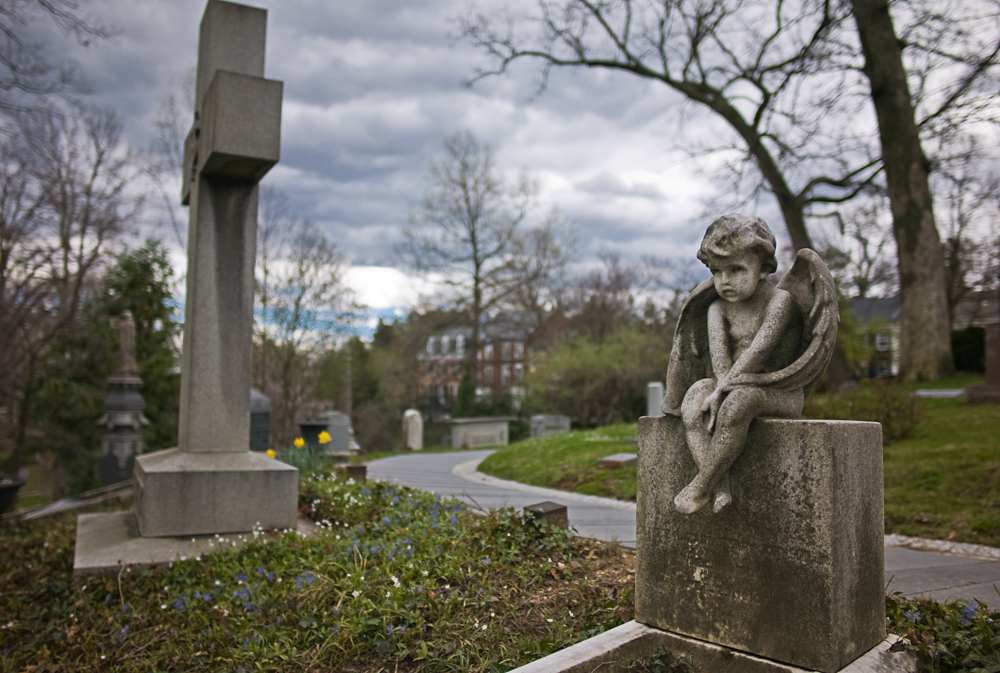
In honor of the Stones’ release of “Plundered My Soul,” from the sessions for the album that was to be kn0wn as Tropical Disease. Leica M9, outdoors in Georgetown, with the Nokton f/1.

In honor of the Stones’ release of “Plundered My Soul,” from the sessions for the album that was to be kn0wn as Tropical Disease. Leica M9, outdoors in Georgetown, with the Nokton f/1.
Leica M9, Nokton f/1, ISO 80, Georgetown USA
Leica M9, ISO 400, 35mm pre-Asph Summicron Version IV

Leica M8, Summilux 21mm, ISO 160, wide open.
What does it say about Robyn Hitchcock that his new album, Propeller Time, isn’t really new, but was recorded in 2006, and has marinated on a hard drive all the while, waiting for its dramatic entry in the world? Its recording sequenced between the live Sex, Food, Death, and… Tarantulas and last year’s Goodnight Oslo, the lovely Propeller Time comes from a week of 2006 sessions with friends like Peter Buck, Scott McCaughey, Nick Lowe, John Paul Jones, and Johnny Marr. Hitchcock describes sessions taking place in his living room, and refers to it as his Basement Tapes, but this does the collection insufficient justice, because it is a wonderfully collected selection of songs, as strong, in a quiet way, as Ole! Tarantula or Goodnight Oslo.
(Though we can see that he had The Basement Tapes on his mind, as the vocal phrasing on this “studio” version of “The Afterlight” comes straight from Dylan’s “Tiny Montgomery.” Still, The Basement Tapes were late-night bashings of exuberantly half-constructed songs, and by comparison, Propeller Time sounds like Abbey Road: fully constructed folk-pop that pulls out most, if not all of the stops.)
Since the Carter Administration, since his debut with The Soft Boys, Robyn Hitchcock has beguiled us with canny melodies, brilliant guitar lines, and lyrics that try diverting us with entemological loopiness, but which leave a web of poignancy. To Hitchcock, overburdened with talent, with songs to spare, with so many friends willing to record with him, Propeller Time was sufficiently minor an exercise that it’s sat on the proverbial shelf for four years, and still it could blow away ninety-nine percent of the pop music left on the runway. Hitchcock lost a little steam in the 1990s, but since the early part of the last decade he’s been going strong. The Museum of Robyn Hitchcock should be a prime tourist destination for all space travelers who find our little planet.
Note: Propeller Time will be released next week by Yep Roc, but is downloadable now from robynhitchcock.com.
Is winter nearly over?
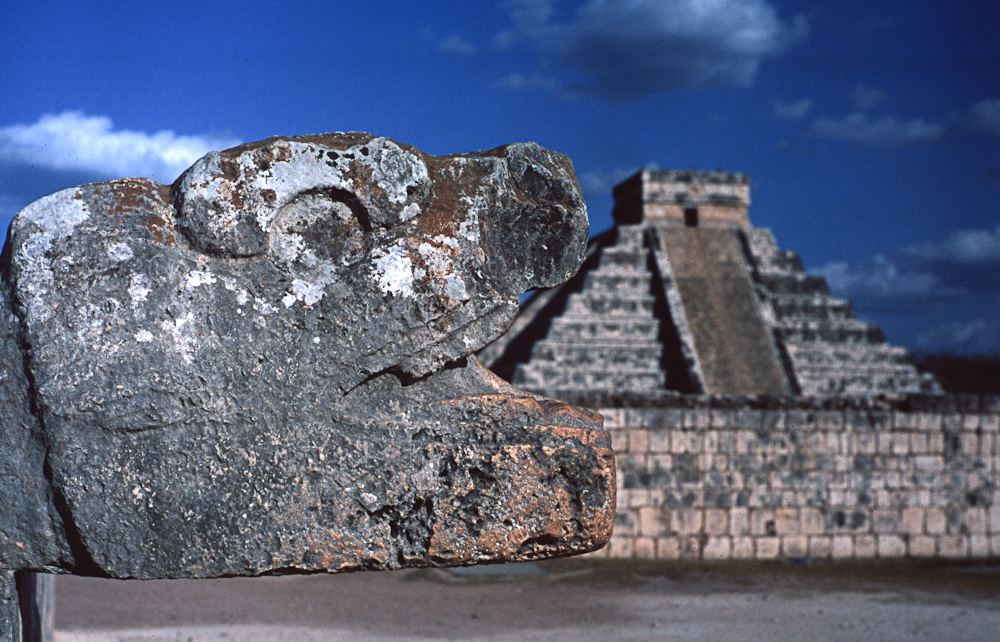
Chichen Itza, Leica M7 with 50mm Summilux, Spring Break 2006…
Good tidings have arrived in the form of a message that The Business of Happiness, by Ted Leonsis with John Buckley, has made the best-seller list. This may not have been on Ted’s list of 101 things he wished to accomplish in life, but it certainly was on the list of his collaborator’s goals.
You can further aid the book up the charts by going here.
Leica M8, 50mm Summilux, Paro, Bhutan, March 2007
News that the Rolling Stones would in April release a remastered version of Exile On Main Street, complete with three songs never before released, is an event the anticipation of which led Tulip Frenzy to reach for the top shelf in the library. Around these parts, we don’t have a headful of snow, but we have roads full of it, which makes getting out of the cabin treacherous, and encourages contemplation of deep thoughts, to wit, “Is Exile the Stones’ greatest album? Or perhaps more apt, is the making of Exile, followed by the Stones ’72 tour, the greatest of rock myths, up there with the motorcycle-shredded Dylan recording The Basement Tapes, or the Beatles, having bickered their way through Let It Be, deciding to end fittingly with Abbey Road.”
Having pondered it, we think the answer to both questions may be yes.
We have before us Bufffalo Tom frontman Bill Janovitz’ superb book, a track by track analysis in the 33 1/3d series entitled, natch, Exile On Main Street. We have Robert Greenfield’s 2006 book, Exile On Main Street: A Season In Hell With The Rolling Stones, as well as his ’72 tour classic, STP. We finally got our hands on both the DVDs of Ladies and Gentlemen, The Rolling Stones, and Robert Frank’s tour film, C*cksucker’s Blues. Like we said, it’s been a long few weeks with few outlets. We do not have Dominique Tarle’s book of photos, Exiles, because that goes for about $4k, and we admit we didn’t go back to the bible — Stanley Booth. But still.
Greenfield’s book on the making of Exile, published many years after the fact, does a superb job of creating the mise en scene, as he actually was, for a time, at Nellcote, Keith Richards’ tax-exiled home in Villefranche-sur-Mer in the South of France — the former Nazi headquarters, a sprawling villa with a basement suitable of being remade into a recording studio, though as “Ventilator Blues” would illustrate, not much air. Thirty-five years after the fact, years after being approved by Keith to do the definitive Rolling Stone Magazine interview and being invited on as a journalist member of the ’72 Stones Touring Party (STP), Greenfield has no reason to cover up Keith’s junkie behavior, and he lays it out in full. Judging from his book, it is a miracle Exile was recorded, given the dysfunction of the band — Mick freshly married to Bianca, who was pregnant and wanted to stay in Paris, well away from the band and the record they had to record; Keith and Anita Pallenberg getting deeper and deeper into smack; virtually everyone else, save Charlie and Bill, falling down the junkie rabbit hole. Amazing the record ever got made.
What Greenfield’s book lacks is the same thing his Stones tour book lacked: a sense, or even an acknowledgement, of the primacy of the bloody music. (Compare STP to Michael Lydon’s brilliant, majestic Stones ’69 tour chapter in his great book Rock Folk. Lydon could cover the wackiness of a Stones tour AND serve as a great rock critic, groking on the music; Greenfield can paint a picture of what went down in the Playboy Mansion when the Stones stayed there, but we don’t get a real sense of just how magnificent the Stones were when they played that same night in Chicago.) In his book on the recording of Exile, we know who was sleeping with whom, we learn the really sad story of Gram Parsons hanging with Keith and partying with him, and then being banished because when he was around, all they did was play guitar in the garden and shoot smack. But we don’t get what we really need, which was a view of how, exactly, was “Tumbling Dice” recorded, what happened the night they finally got “All Down The Line” in the can, etc.
Martin Elliott’s The Rolling Stones Complete Recording Sessions is, of course, even more useless, with hilarious sentences like this: “The problems of recording in a family situation at the villa were evident. Tempers became frayed, the band being particularly annoyed when Keith Richards would disappear for hours as he put his son, Marlon, to bed. He would reappear in the early hours ready to record until dawn.” Isn’t that something?
Bill Janovitz does the far better job of just listening to music and telling us what he hears. If you put together his insights as a musician with some of the interviews with Andy Johns and others over how the album was actually made, you do get a sense of the prodigiousness of Keith’s drive to get what he was hearing in his junkie-addled head onto the vinyl that emerged in May 1972. Janowitz has a pretty fascinating point of view that many of songs revolve not around Mick writing about some woman, but about the Mick-Keith relationship, and I admit, I will never again listen to “Soul Survivor” without thinking of Jagger’s point of view that his “partner in crime” was drowning in smack.
Of course, it’s all there in the music, that clotted sound, that turgid flow. Whole genres emerged from Exile: Alt.country came from the 2nd side, for example, and the classic Stones sound that launched a thousand bands sprang from the 4th side.
Watching Ladies and Gentlemen, The Rolling Stones is a reminder that, on the ’72 tour, the Stones reached the high water mark, not just for themselves, but maybe for the art form: musically, and in terms of the tour mythos, and certainly in terms of a single band’s tour having an impact on the culture at large. I remember what it was like to be going to the Stones’ concerts that summer: you felt as if you were entering the most important room in the world. And of course it was.
We await the remastering of Exile On Main Street. Spring can’t arrive soon enough.

Howdja like to have a picnic on this table? More than 40 inches have fallen in the backyard since Friday… Did we mention this is in the Nation’s Capital… South of the Mason-Dixon Line… Leica M9, 75mm Summicron


 Tulip Frenzy