Leica Monochrom, 50mm APO-Summicron-Asph.
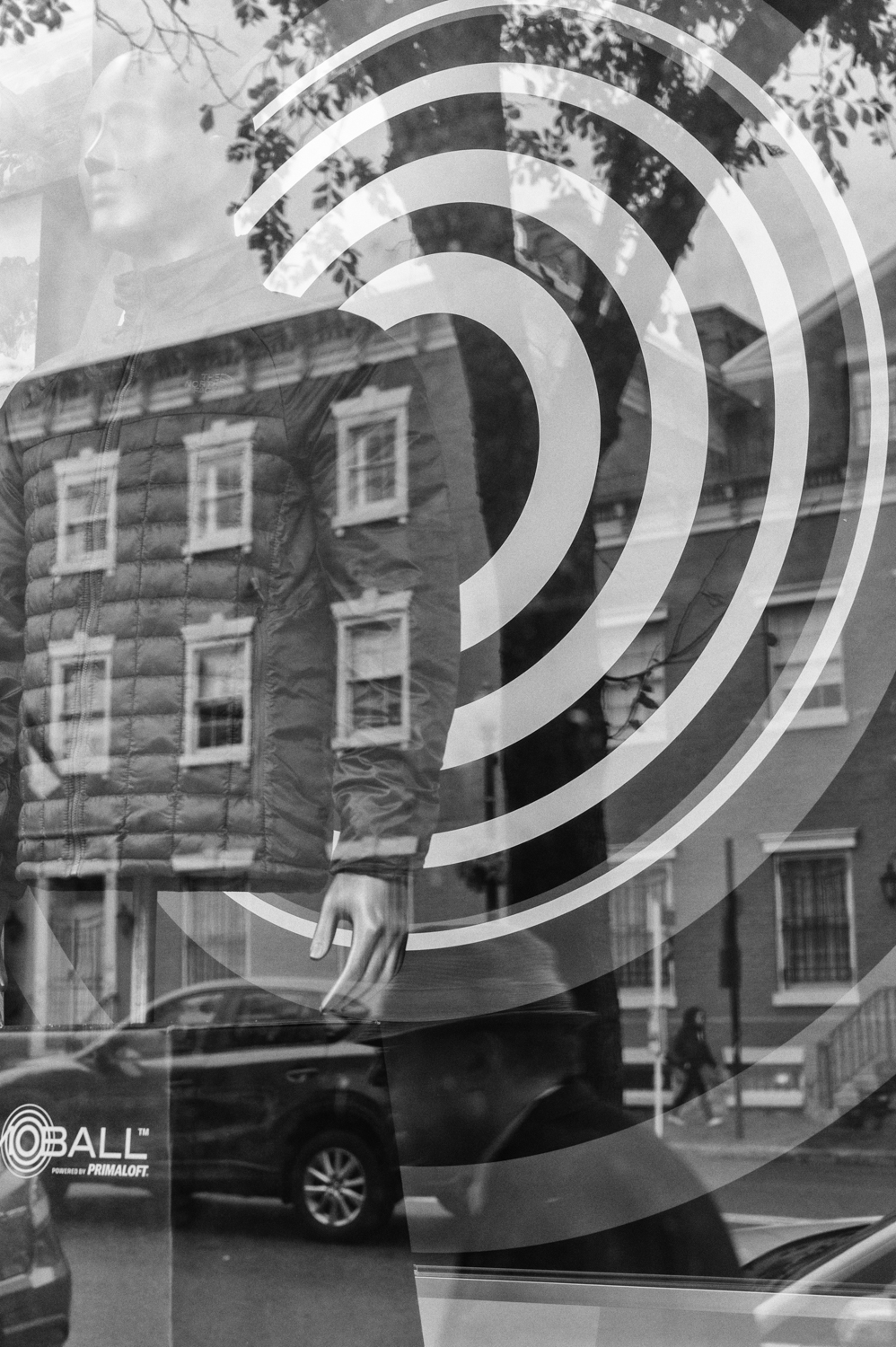
Leica Monochrom, 50mm APO-Summicron-Asph.
That way lies Antarctica, and there are plenty of sharks just offshore. Did we mention baboons will take your picnic from your pack if you actually brave the waters? Leica M, 50mm APO-Summicron-Asph.

Ganglion Reef, the 35-minute long debut album by L.A.’s Wand is sonic DMT, a short, intense trip you can take on your lunch break and return to work with a slightly loopy smile on your face. The best psychedelica, like the best punk, always had a gooey core of pop music at its center, catchy melodies being just as important — maybe more important, given the heavy winds the music otherwise generates — than anything aimed right at radio programmers. And so it is with Wand, a band that can appeal to anyone who made a mixtape including both Tame Impala and Unknown Mortal Orchestra. Even after powering through sludgy riffs that seem like a bulldozer plowing a highway in the Mariana Trench, they shift to some sweet-sounding harmonies bristling with hooks.
Why we are on the cutting edge o’ discovery here is Wand opened last week for Ty Segall, and we were sufficiently moved to go home and download the album at 1:00 AM. Live, Cory Hanson seems to wish he could graft the Eno-squall of “Re-Make/Re-Model” onto early Sonic Youth. Ganglion Reef, released in late August, showcases this incredibly gifted singer, songwriter, and guitarist who has a penchant for shifting into minor-key pretty stuff too. The album has the pacing of an Olivia Tremor Control opus, replete with song titles like “Fire On The Mountain (I-II-III),” and whether the songs are 6:09 of pulsating psyche or three-minute snappy radio rock, this is a debut that heralds perhaps the union’s next great band.
Of course the music appealed to Ty Segall, who has wrapped his arm around the band and taken them for a ride. Hanson has played with Mikal Cronin (they’re roommates in what seems like a group house you would either really want to live next to or nowhere near, depending on what hour the amps unplug), and let us just say that as fine a drummer as Ty is on his own recs, in Fuzz, or while actualizing the potential of White Fence, we would love it if he borrowed Evan Burrows for his next album, because on Wand’s debut, and certainly live, he channeled Keith Moon dueling with Kurt Dahle. Go download “Flying Golem,” with its chiming garage-rock guitars and Farfisa evocation of a golden age, and like eating a single potato chip, you will not be able to resist more. Like Oscar Wilde able to resist anything but temptation, we know you will press the buy button. You see, as Wand waves over you, magic ensues.

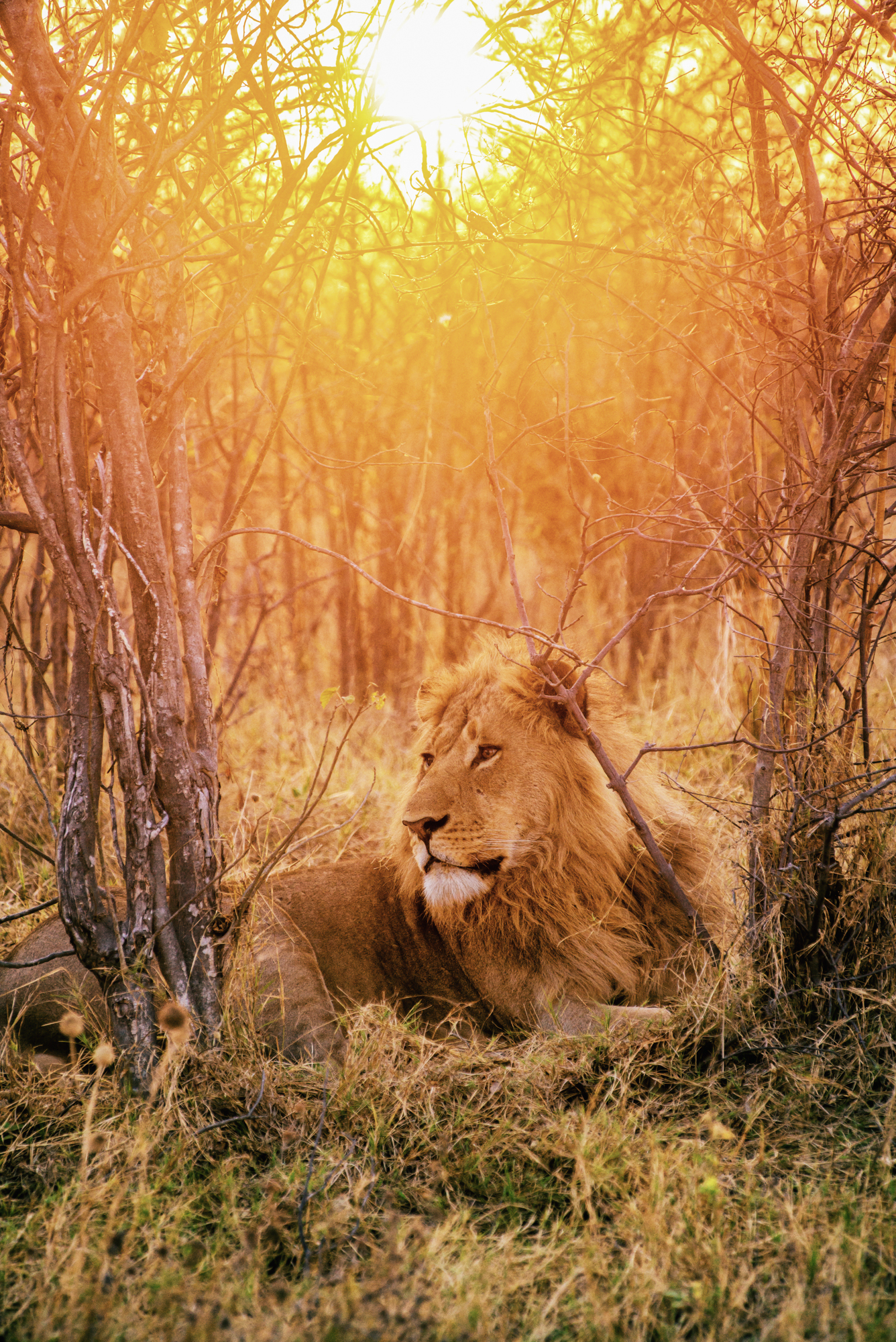
Leica M-240, Vario-Elmar-R 80-200.
Even in the tourist precincts of Cape Town, the word is out. Leica M, 50mm APO-Summicron-Asph.

Even in Africa, thinking of the remarkable Saul Leiter. Leica M, 50mm APO-Summicron-Asph.
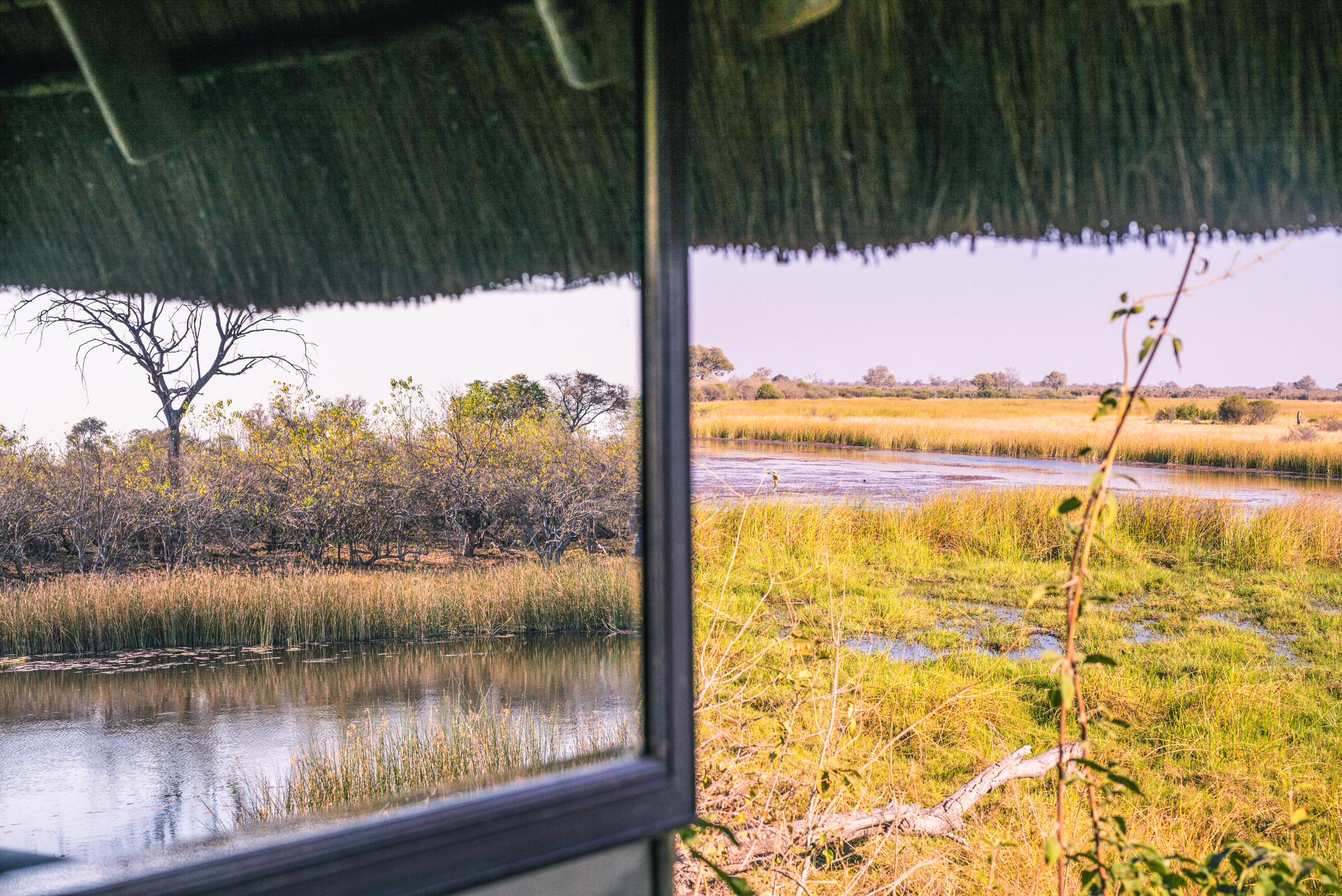
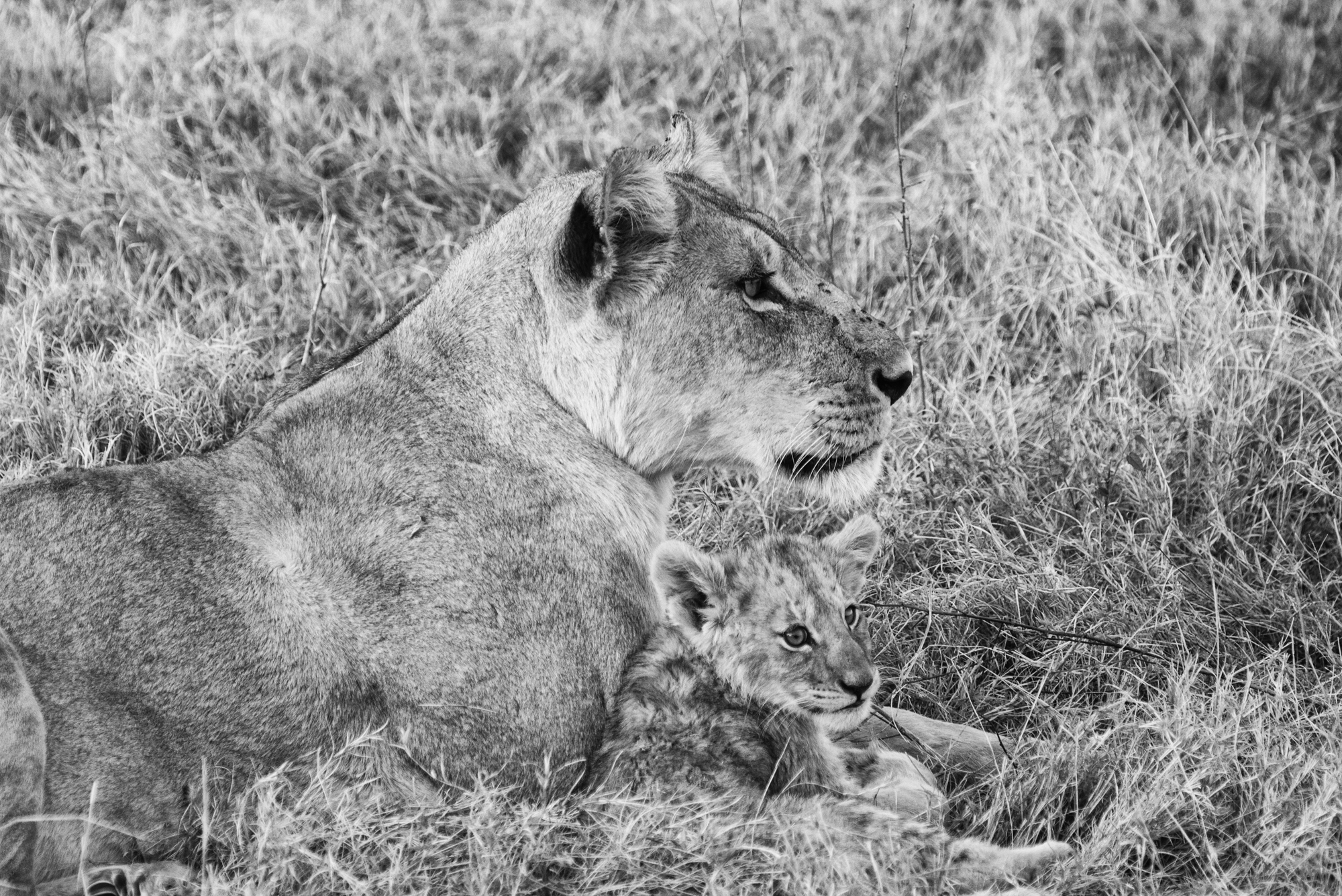
A dozen of my black and white photographs taken while on safari in Botswana last week are now on exhibition at the Stephen Bartels Gallery in London.
If over the past week you have enjoyed the photographs posted on Tulip Frenzy, check out the exhibition here. The images are priced reasonably, and the prints show off the full-resolution images wonderfully.
It’s an honor to be associated with Stephen’s gallery. He fully supports his artists and is blazing trails in the promotion of high-quality photography.
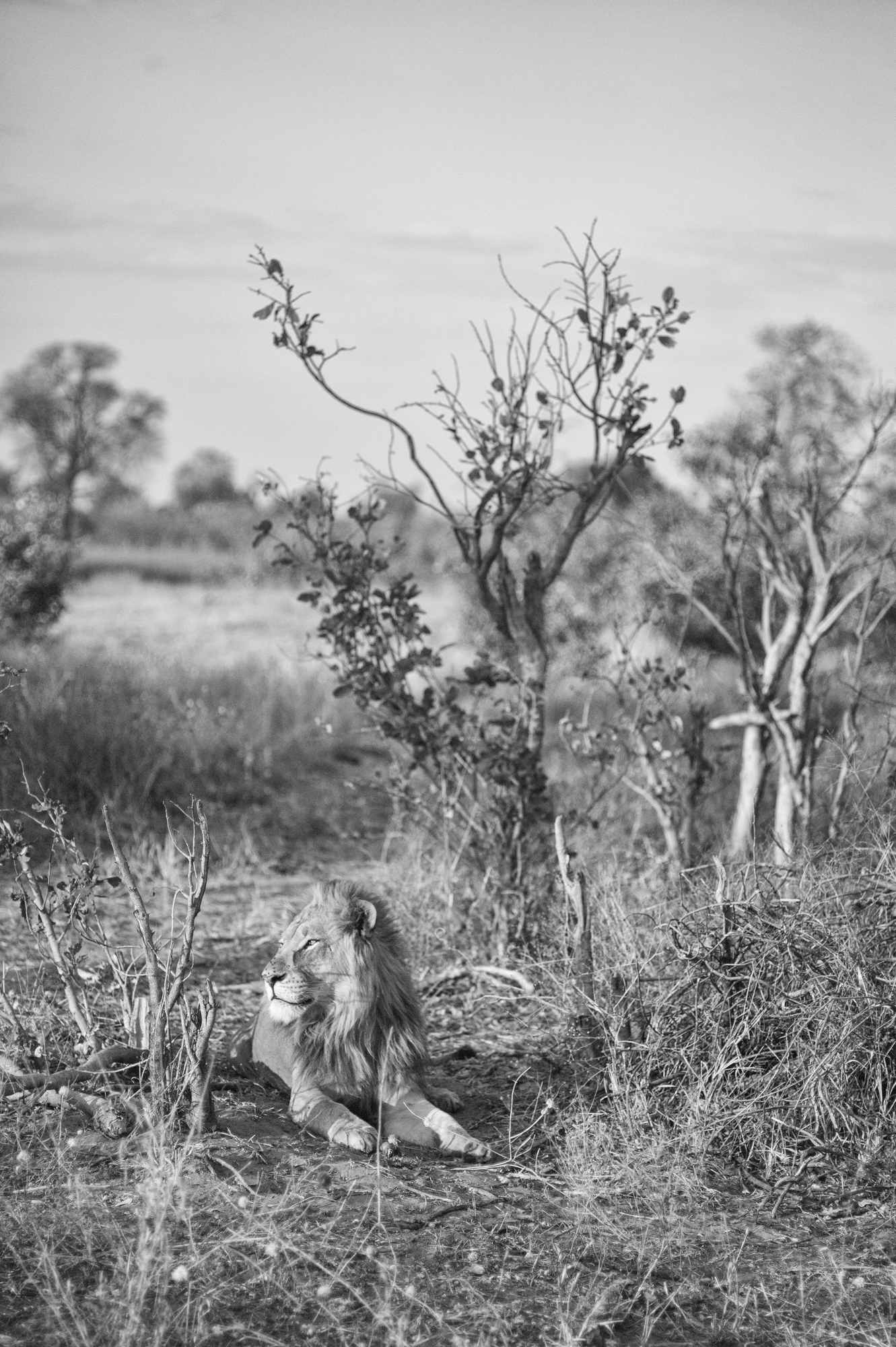
Leica Monochrom, 90mm Summicron, all images w/ ND Filter, @f/2
A few days ago, we published in Tulip Frenzy a field report on using a Leica M-240 as our main camera while on safari in Botswana. We took the M-240 as our main camera because it is, in fact, our main camera. Some people have responded as if we did this out of some need to prove a point, or as a bizarre experiment, given that of course one would more naturally shoot with a Canon or Nikon — DSLRs made for this kind of photography. In fact we used the M because Leica M’s are the only camera system we own.
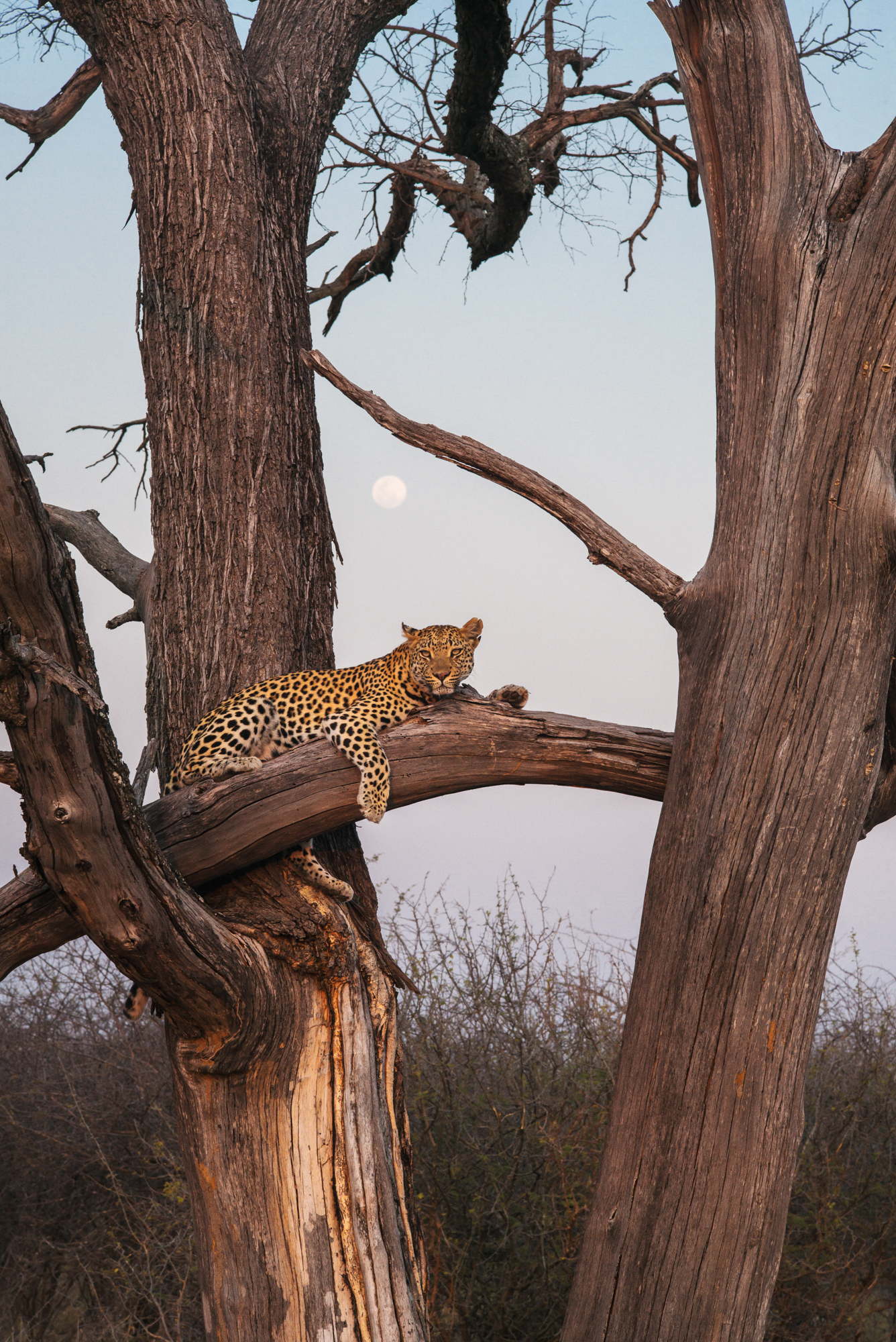
However, in addition to taking along our M-240, which at least has the benefit of being able to use telephoto lenses via an adaptor, we also took along our Monochrom, the Leica M that only takes black and white images. We took it along because frankly we were determined to escape the bounds of cliche, to take photographs that aren’t typically what one returns from Africa with. Moreover, we thought that taking along the Monochrom, and shooting either the 90mm APO-Summicron-Asph or the 50mm APO-Summicron-Asph (and quite rarely, the 28mm Summicron Asph), and as much as possible shooting wide open (using an ND filter), we might be able to come up with memorable images.
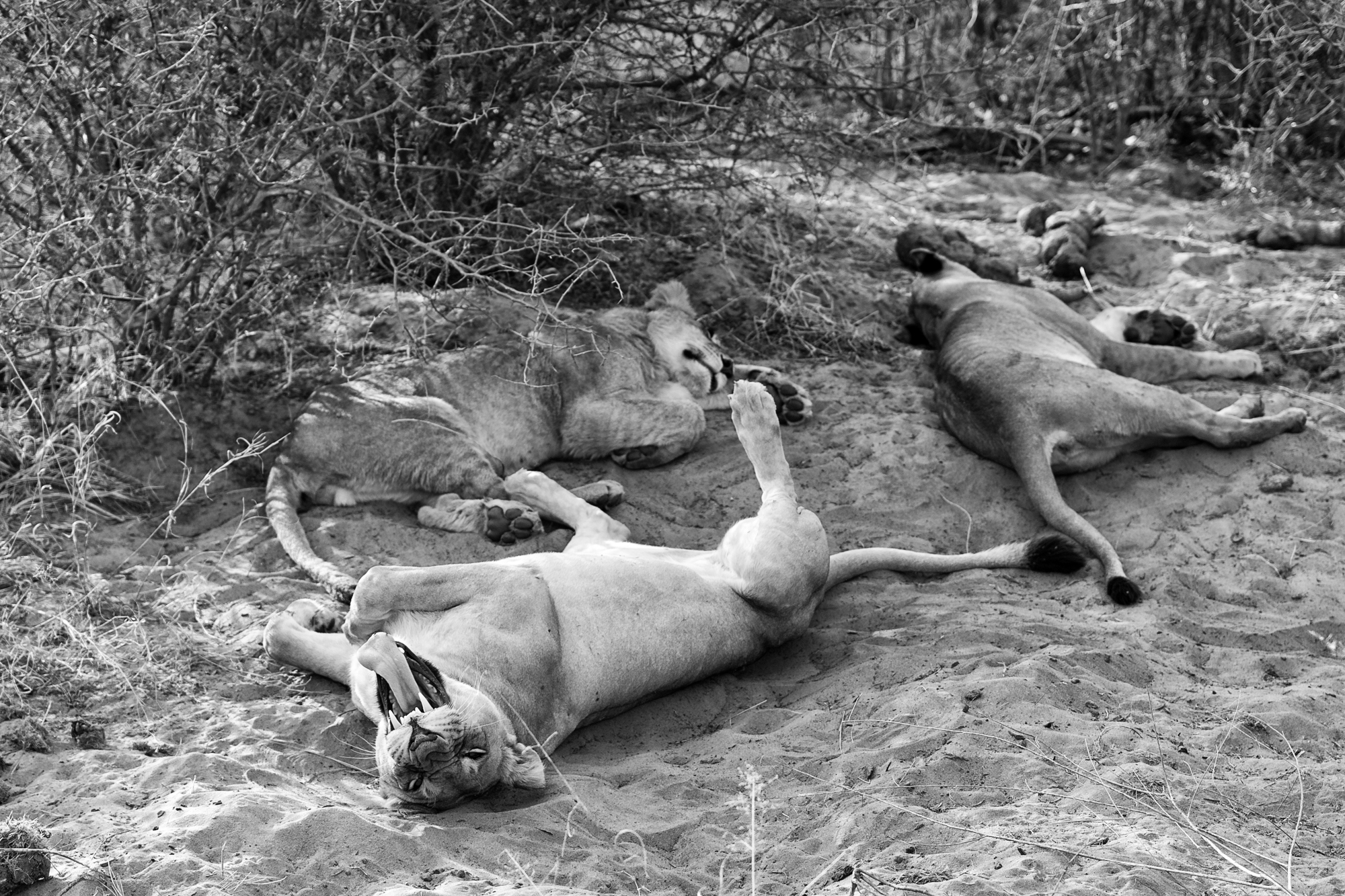
Leica Monochrom, 50mm APO-Summicron-Asph
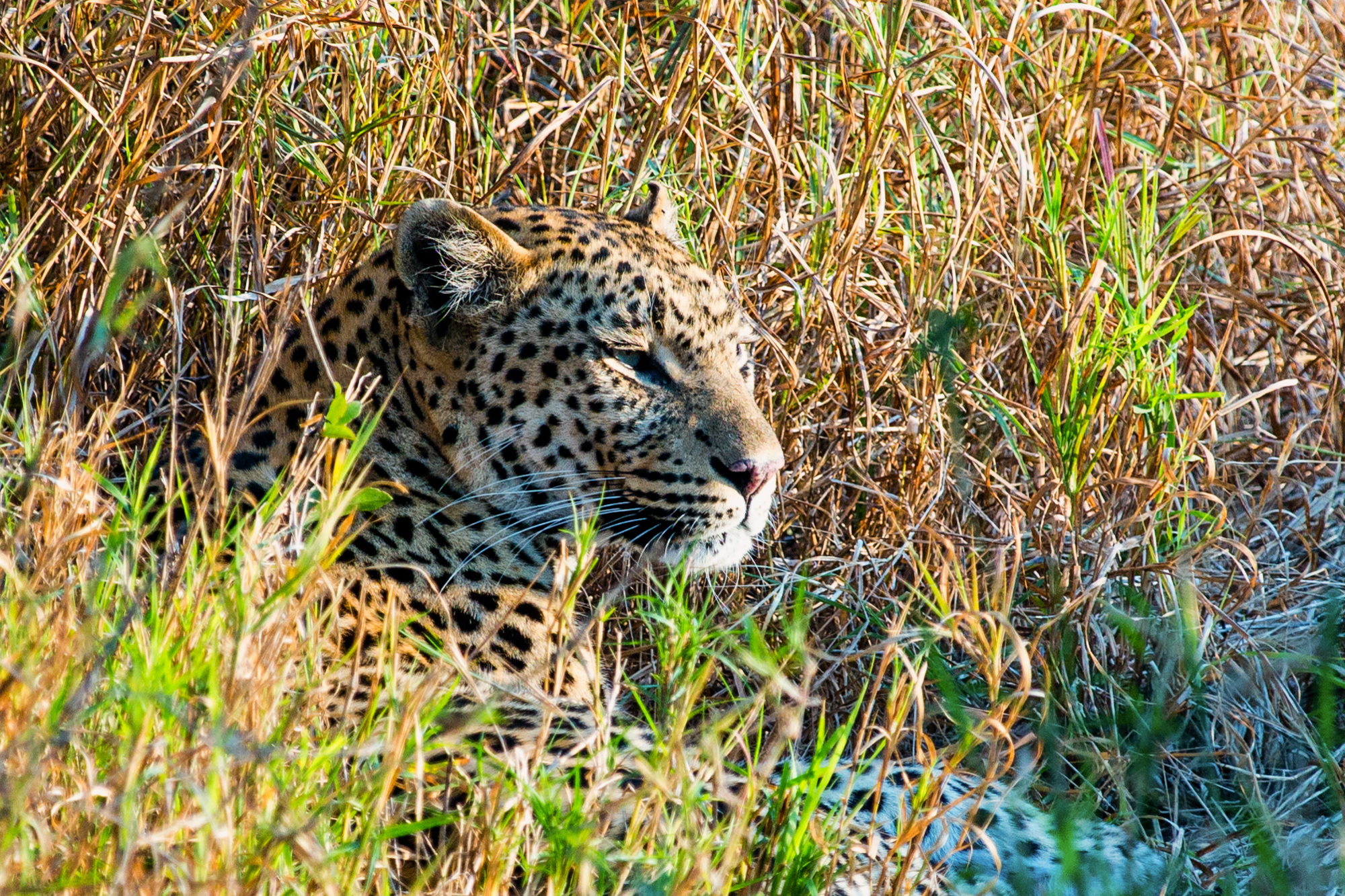
We have to declare that taking the Monochrom along as our second camera was a complete delight. Thinking in terms of light, not color, in an environment with, at times, a hyper-abundance of both, was a conceptual joy. And the images we took, in our own subjective view, are likely the ones we will print and put up on our walls, because they’re in many ways more compelling images than the color shots.
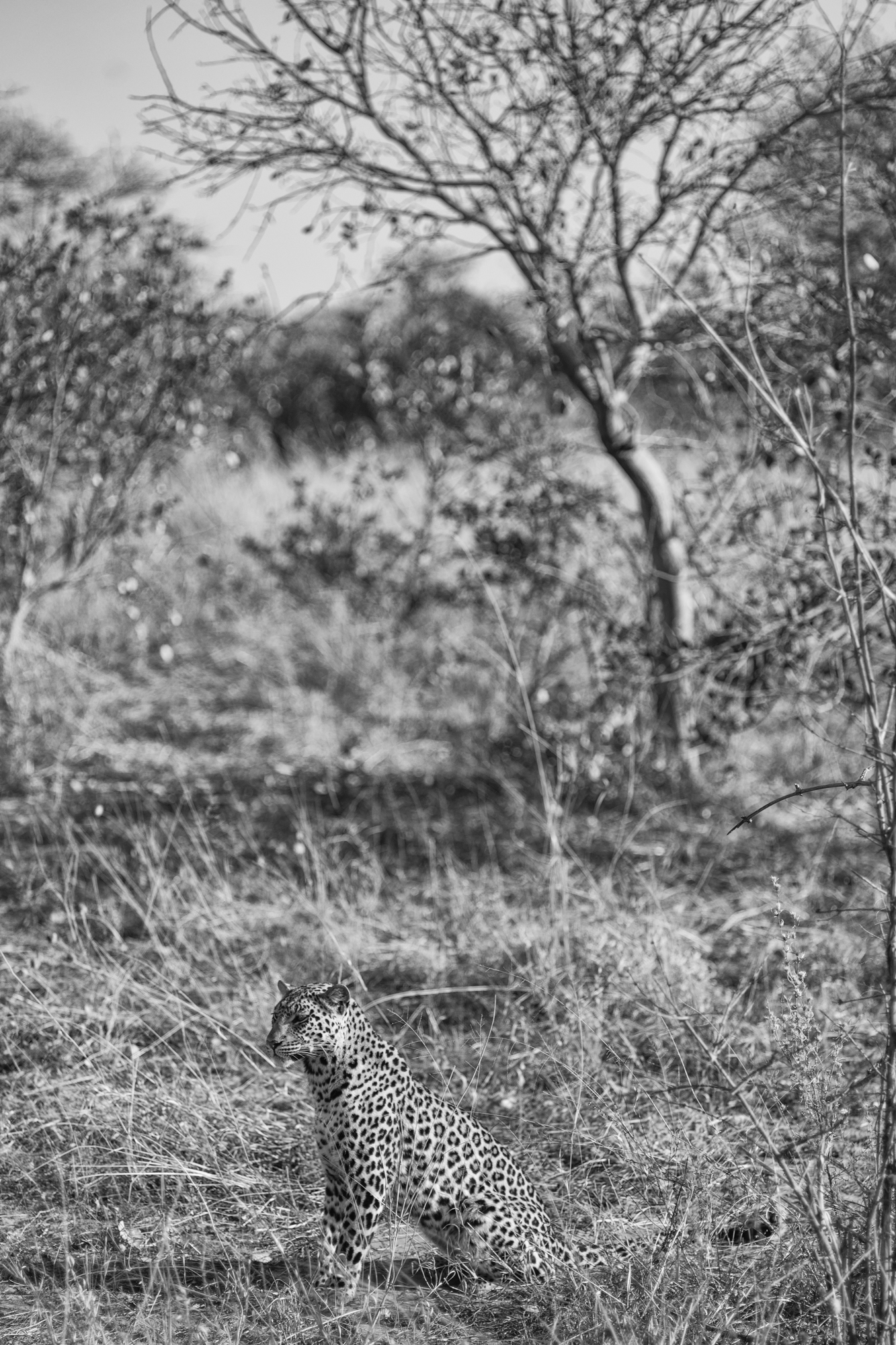
Leica Monochrom, 90mm APO-Summicron-Asph
There was something about isolating the animal against its background — taking advantage of the bokeh inherent in shooting fast Leica lenses wide open — that appeals to our eye. Admittedly influenced by the brilliant photography of Nick Brandt, whose shots of animals in Kenya and Tanzania are so unbelievably naturalistic — as if lions came to his plein air portrait studio — we knew what we wanted to achieve visually. Taking along the Monochrom and using it as an alternative to the Leica M was like shooting in black and white film, with all that entails both in limitations and the liberation of simplicity.
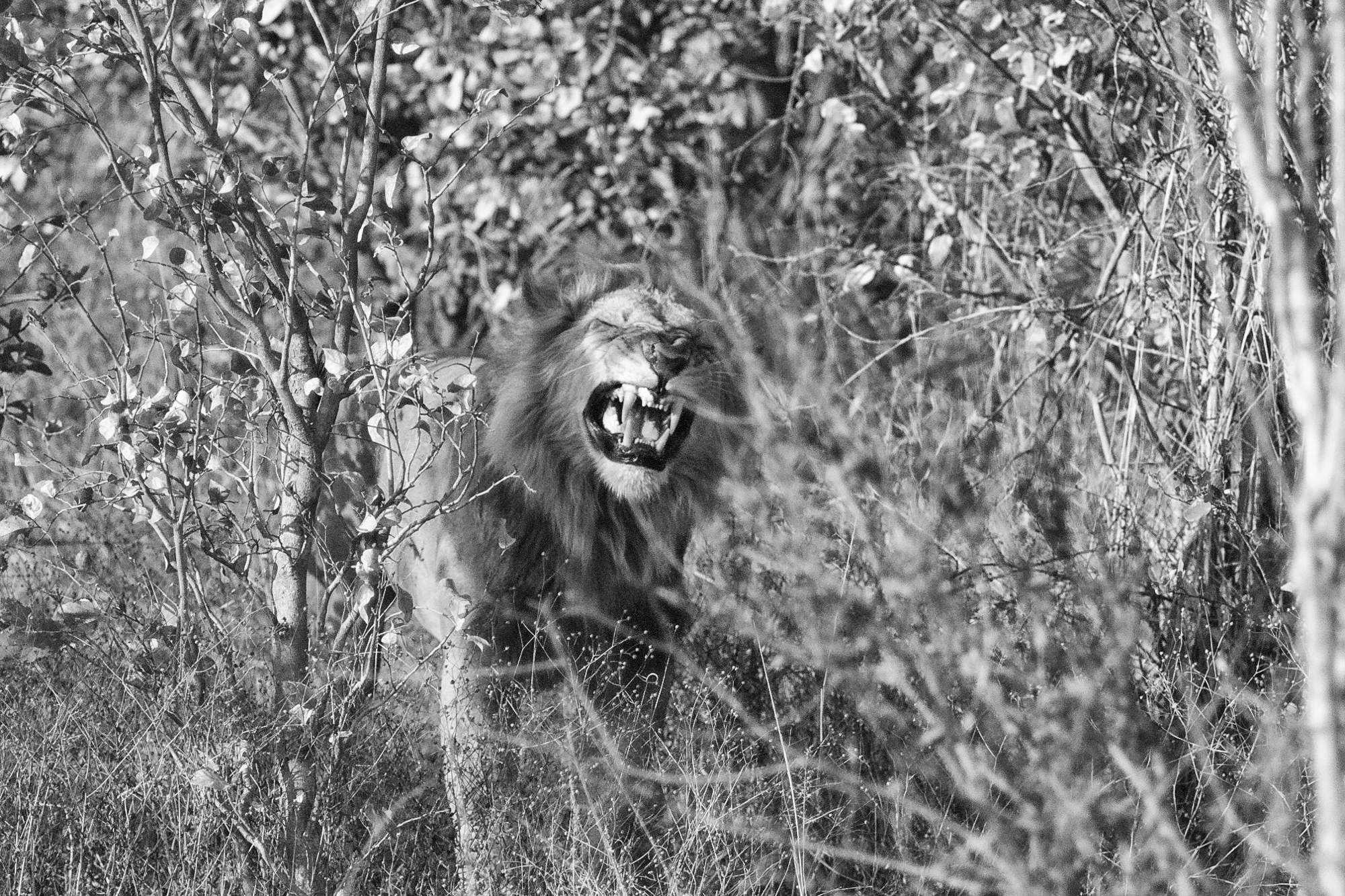
Leica Monochrom, 50mm APO-Summicron-Asph
Those who read our post on using the Leica M-240 last week in Botswana will remember that I complained I had some trouble focusing with the EVF. But after a dozen years using a rangefinder, focusing with the Monochrom was second nature, and I felt in some ways that if I really needed to focus quickly, this was the camera I wanted to use.
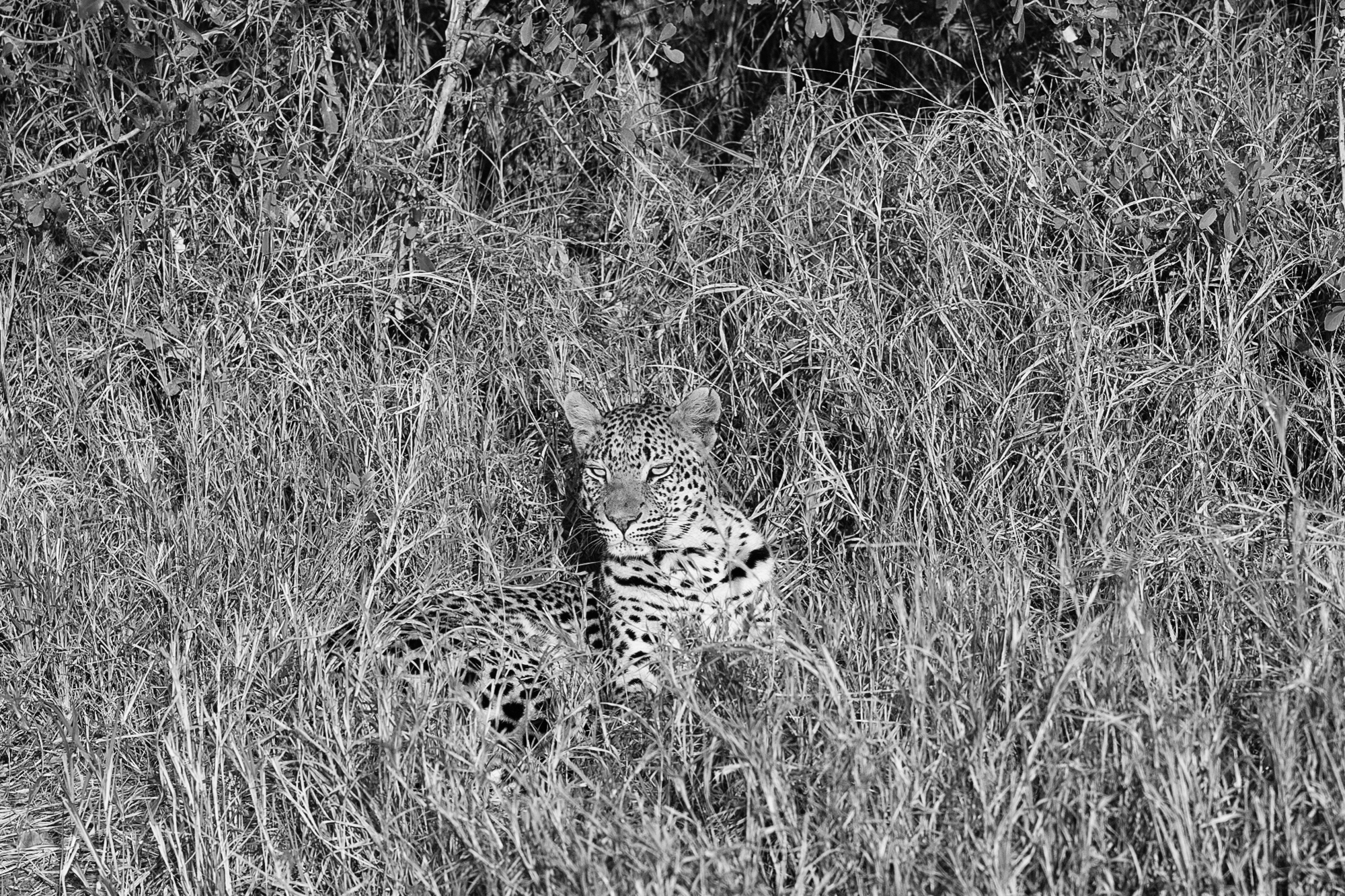
Leica Monochrom, 90mm APO-Summicron-Asph
But it wasn’t just ease of use that made the Monochrom such a delight to work with. It was the conceptual possibility of what one could do shooting within the confines of black and white, and the simplicity of knowing I was only going to shoot wide open. That if I nailed the focus, the contrast between, say, the leopard’s fur and the grass behind it would be pleasing.
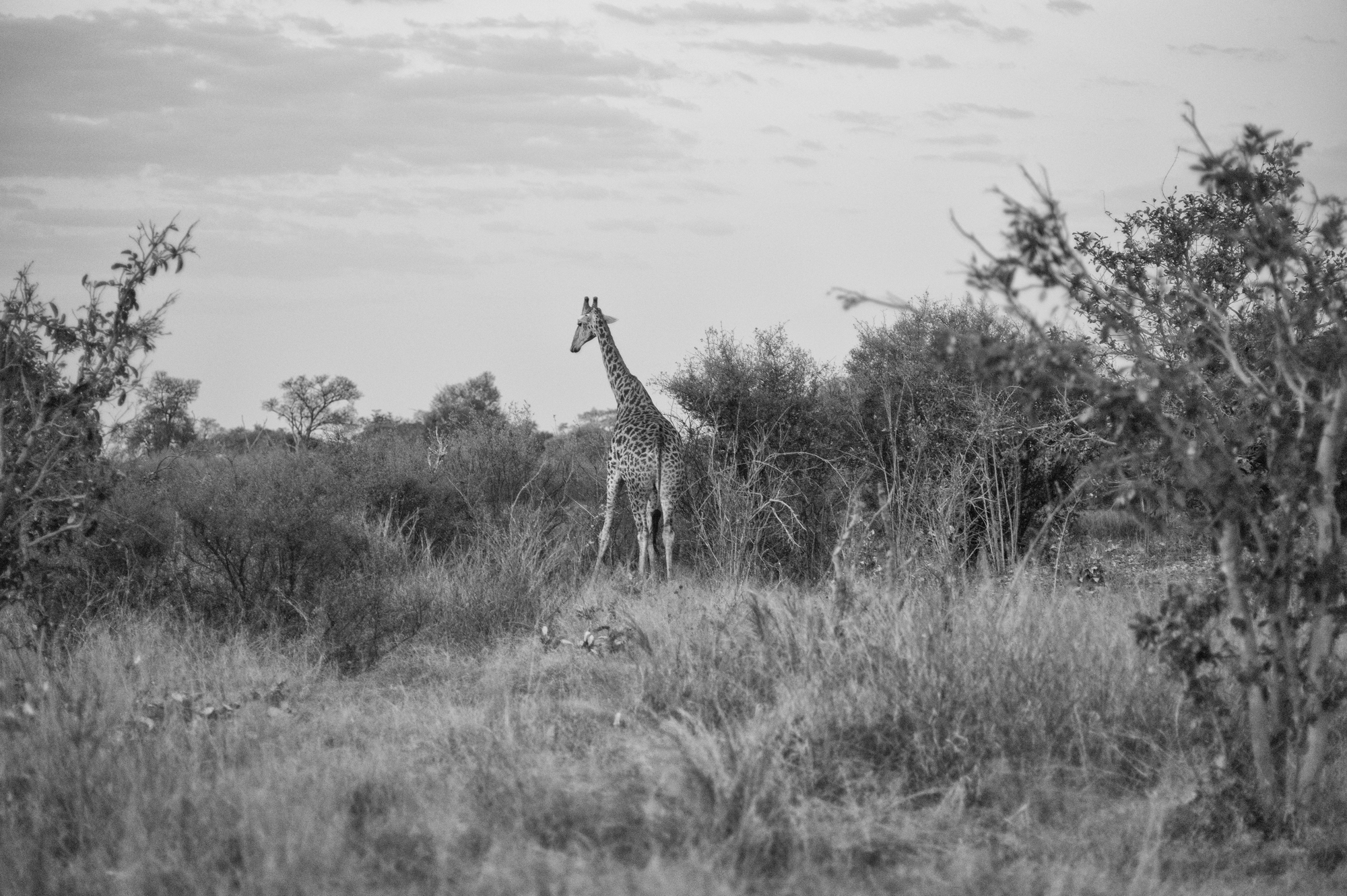
Leica Monochrom, 90mm APO-Summicron-Asph
As always with the Monochrom, you go into taking the picture visualizing it in terms of light and form, not color. Because I had both cameras within reach, I would make a conscious choice about which to use. Yes, sometimes the matter was solved by the expedient of needing a telephoto lens, which meant using the M. Sometimes I used both cameras and took multiple images in color and black and white, leaving it to later to sort out which was better. But sometimes the matter was solved by seeing something and saying, That will simply look better as a black and white image.
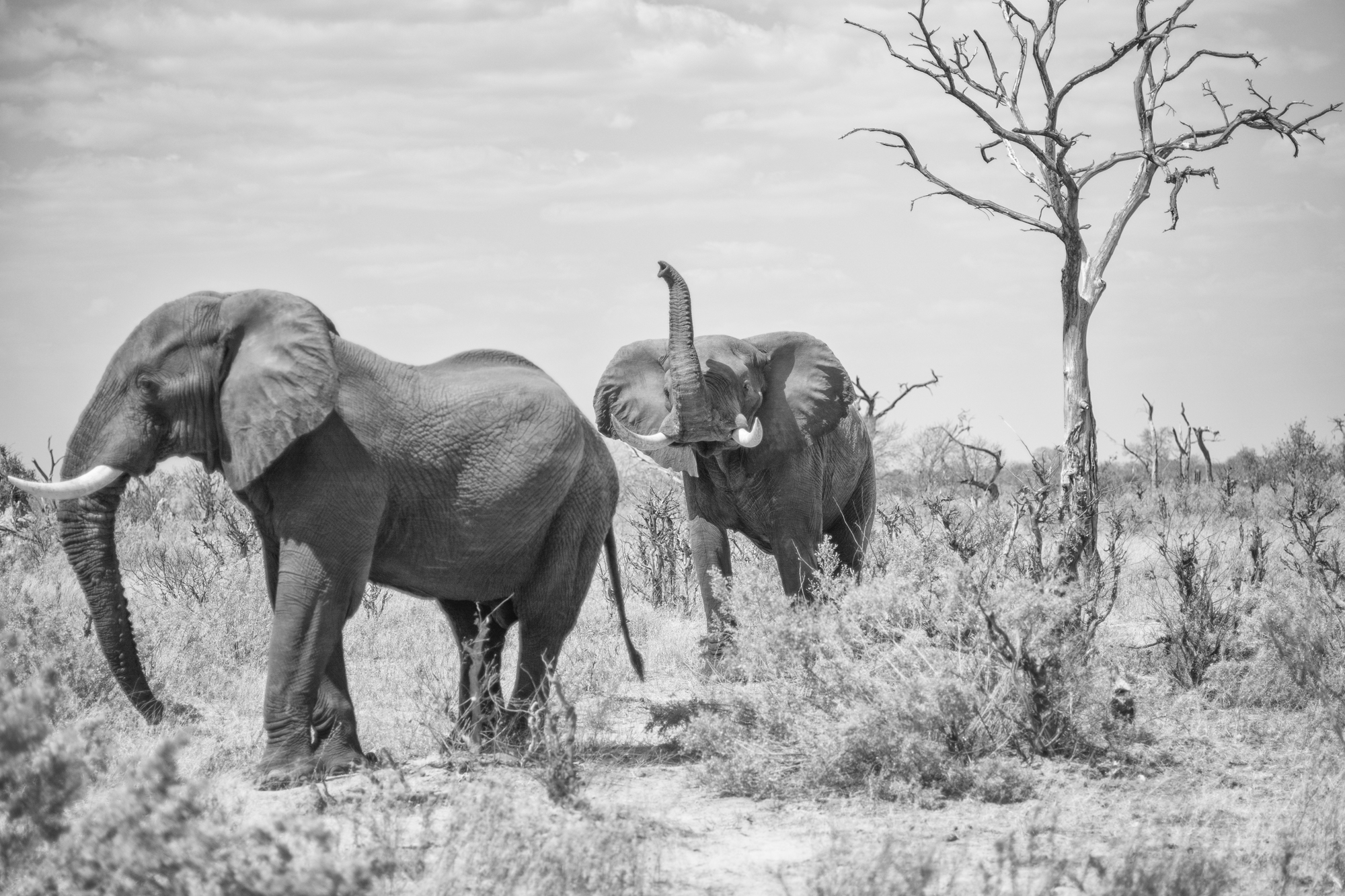
Leica Monochrom, 90mm APO-Summicron-Asph
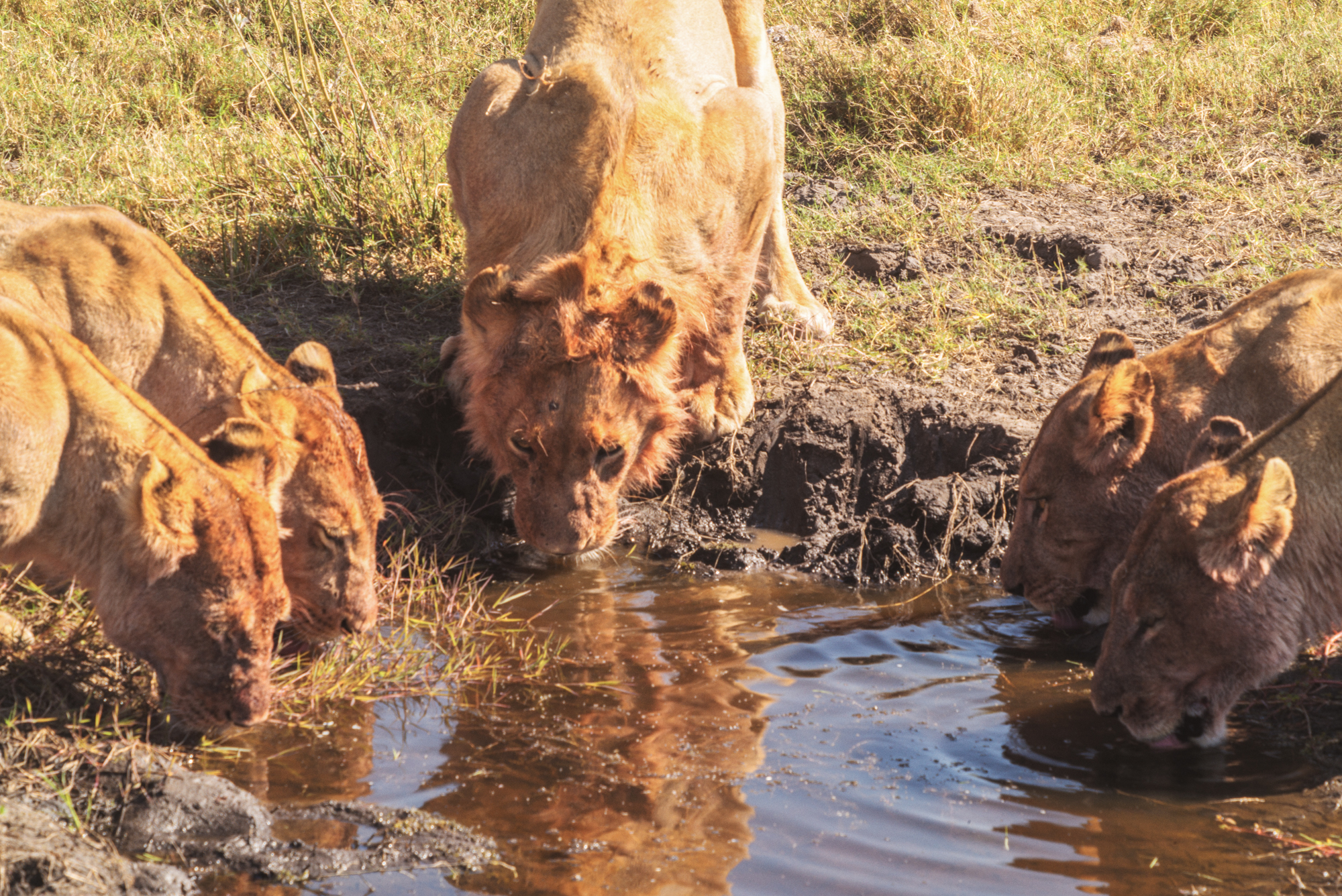
We said that Africa is filled with light and color, but perhaps it should be noted that where we were, many of the colors were muted — the grasses dry and the same tone as lions fur, surrounded by many dead trees. But of course these conditions lend themselves to monochrome photography.
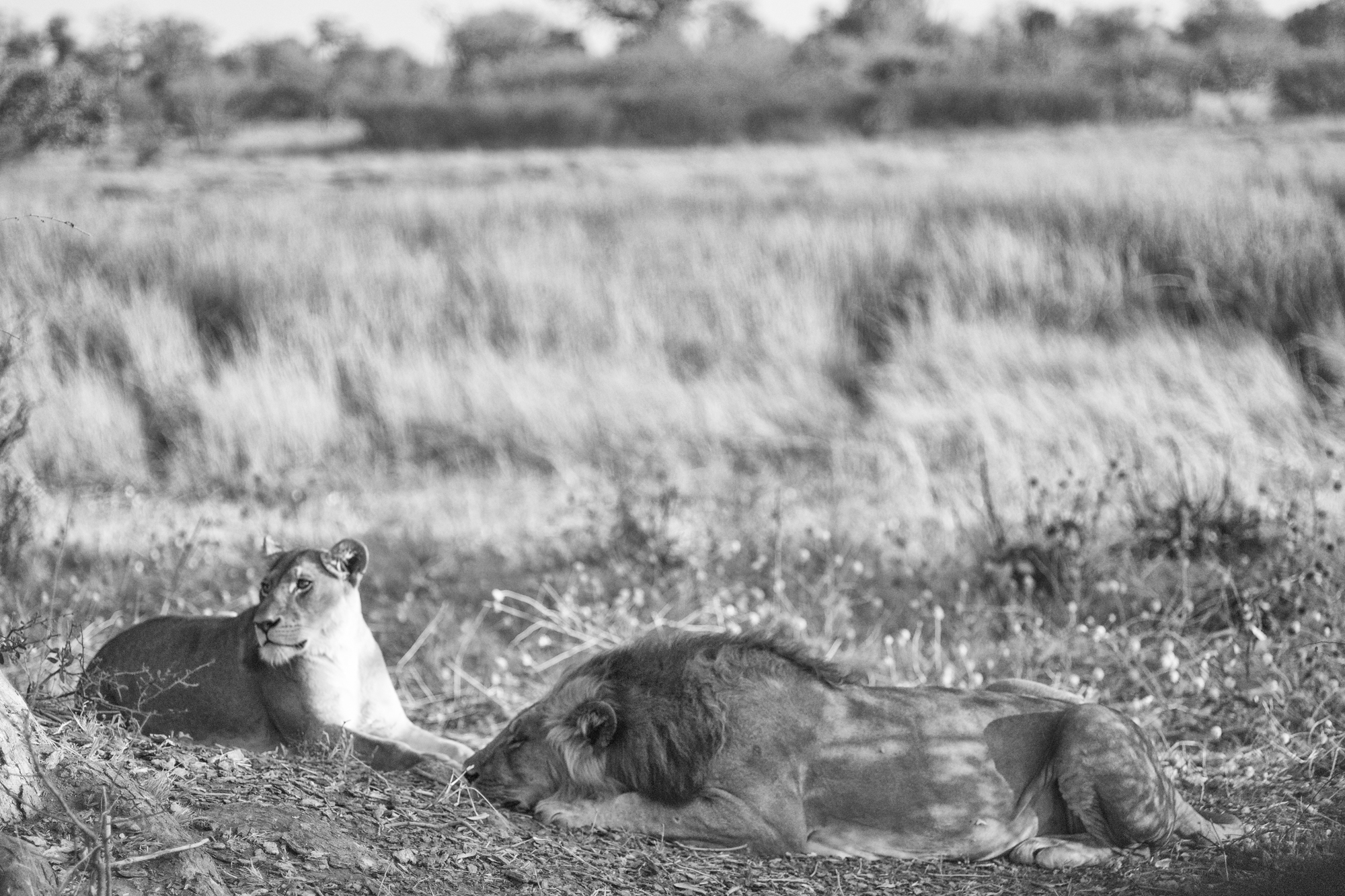
Leica Monochrom, 28mm Summicron Asph
Finally, there was one other reason we loved taking the Monochrom along: it limited us to shorter lenses. This meant both that there was background in the picture — not just the lion’s nostril, but the fields behind it — and that ours was a more intimate view than is often the case when using tellys. The picture above was taken with a 28mm lens, which we often use for street photography. Being this close to a lion is a thrill. We hope this comes through in the pictures.
Please note: if you like these photographs, in the days ahead, several of the ones above will be available for purchase through The Stephen Bartels Gallery.
Leica M, 90mm APO-Summicron-Asph
Some years ago, when contemplating going on a safari to Africa — maybe the better description is “praying to someday have the opportunity to go on a safari” — it seemed likely I would have buy or borrow a different system camera than my trusty Leica M rangefinders, because no one goes to take pictures of wild animals while limited to a focal length of 135mm. For prior to September 18th, 2012, that was the maximum focal length you effectively could use with an M9 or other Leica M cameras that preceded it. But on that date, Leica announced the M-240, which like Clark Kent changing in a phone booth, could be converted from a rangefinder into something approximating a DSLR. With an adaptor, and an Electronic Viewfinder, now — mirabile dictu — all of Leica’s glorious R lenses could be used on an M camera. For the first time, one could contemplate a safari using an M and long lenses. It seemed like a dream come true.
Last summer, I used the M and the Vario-Elmar-R 80-200 f/4 lens while taking photographs of animals out west, and it was a revelation to use the M as a multipurpose tool — by day a rangefinder, but in the evening light along the Gros Ventre River, when the moose come out to play, I could stand there with all the photographers with their long lenses and, yep, take perfectly adequate pictures. It was a delight. And as I knew then that this summer my family and I would be going on a long-planned safari to Botswana, it filled me with hope.
Leica M, Vario-Elmar-R 80-200
Having just returned from the trip, and having returned with a number of pictures I would never have been able to take previously with a rangefinder, I think it’s safe to say that using the M-240 with long lenses on a safari can be mostly successful. With the right lens, it can certainly take pictures at a distance. A world of possibilities are opened up. With that said, it’s not an entirely pleasing experience. Put differently, the M-240 in use as a DSLR is clearly a kludge. My analysis of benefits deems it a worthy effort by Leica to give its loyal M users an opportunity to shoot long distance. But there are some drawbacks. (To see a gallery of images taken with the M-240, go here.)
Leica M, Vario-Elmar-R 80 -200, with the APO-Extender-R 2X
When taking a picture of animals in a static, or semi-static position, you have the time to focus the M manually. Remember, even though the R-system lenses you can now use with an adaptor are superb telephotos, they are still manually focused. And to a rangefinder user, they are not easy to focus. I continually found myself pressing for Focus Assist, the device that with Focus Peaking enables one to see a magnified version of what he’s focusing on, along with indicators of whether the surface he is aiming at is in optimal focus. But Focus Peaking doesn’t work as well on animal hair/fur as it does on, say, a brick wall surface. And often it didn’t work at all. Which means that even when I got the opportunity to take a photo of an animal, it was not nearly as easy for me to get the shot as it was for my son, sitting beside me on the back row of the open-air Land Rover, whose Canon 6D could autofocus on the animal in a split second, while I was fumbling with Focus Assist.
Leica M, Vario-Elmar-R 80-200
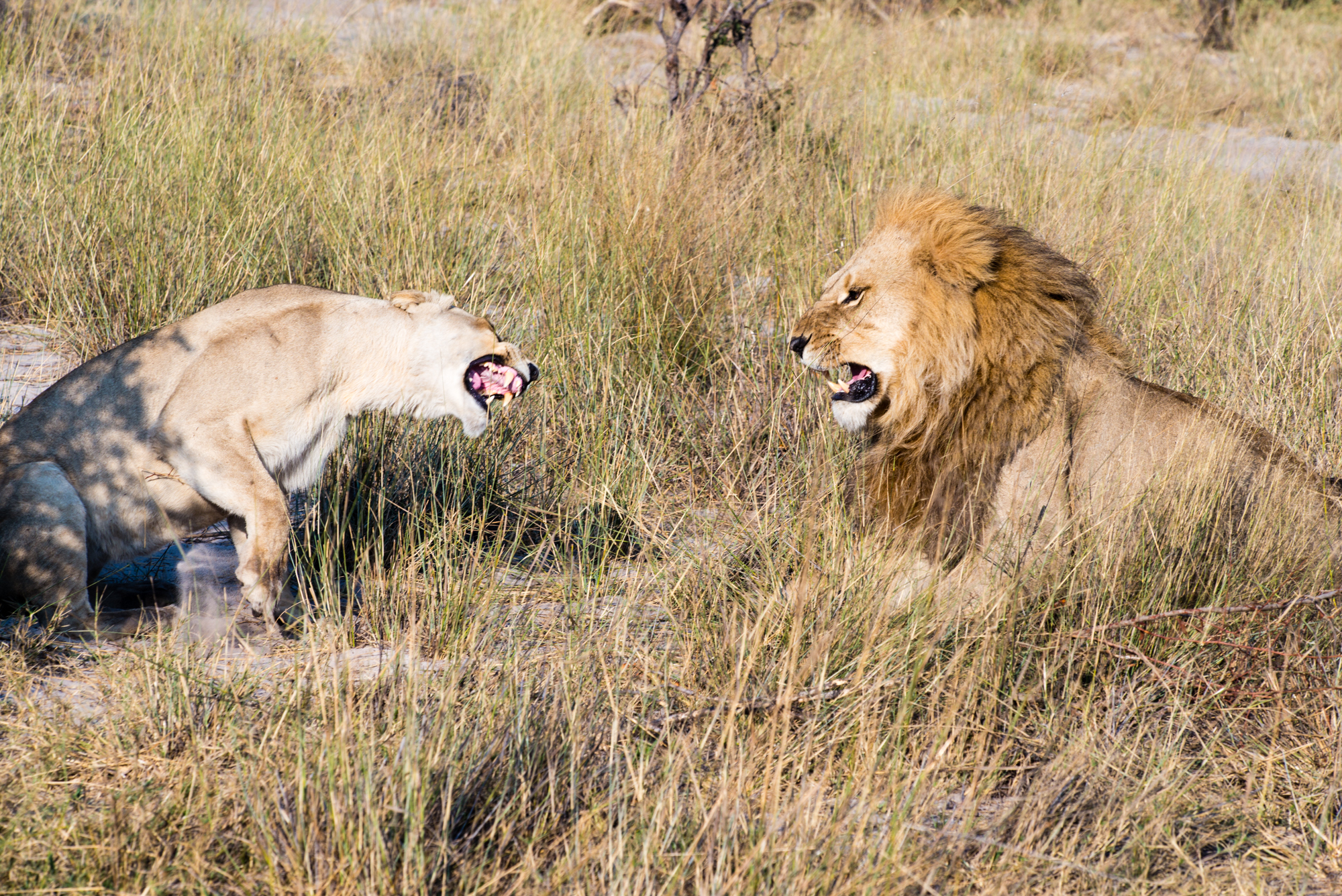
And then there is the matter of the EVF that Leica acquired from Olympus and rebadged with its brand. The EVF has a very slow refresh rate — some three seconds or longer between when you take the shot and when you can take the next one. As anyone who has ever tried taking a picture of a child — never mind two lions snarling at each other — can attest, a lot can happen in a few seconds.
But this post is not meant to be a complaint. Objectively, using a manual focus DSLR with a slow refresh rate puts you at a disadvantage when it comes to getting the shot. On the other hand, you can use your Leica M on a safari, and you can also use any of the amazing Leica R lenses that were manufactured prior to 2009. And you can use the Leica APO-Extender-R 2X, which turns your 200mm lens into a 400mm lens, without carrying a bazooka-sized contraption or paying so much money for the lens you couldn’t take the trip in the first place. You might have the reach to take the picture of the black rhino below…
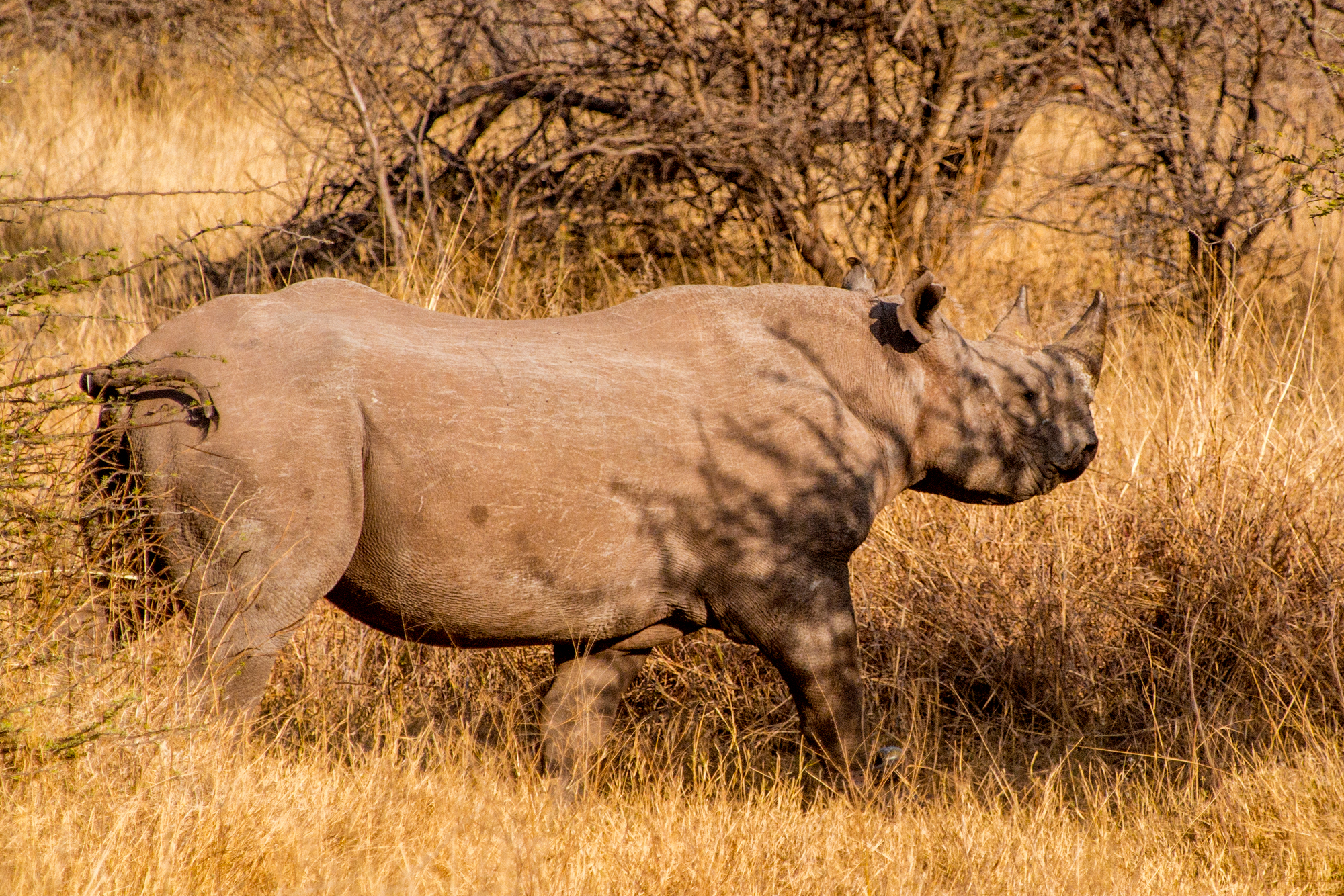
Leica M, Vario-Elmar-R 80 – 200, with the APO-Extender-R 2x
But it is hard to anticipate… and to focus… and to take multiple quick shots. Yet for a quality combination of lens and camera, shooting an animal that is not moving, I would confidently put the M-240 up against Canons or Nikon combos.
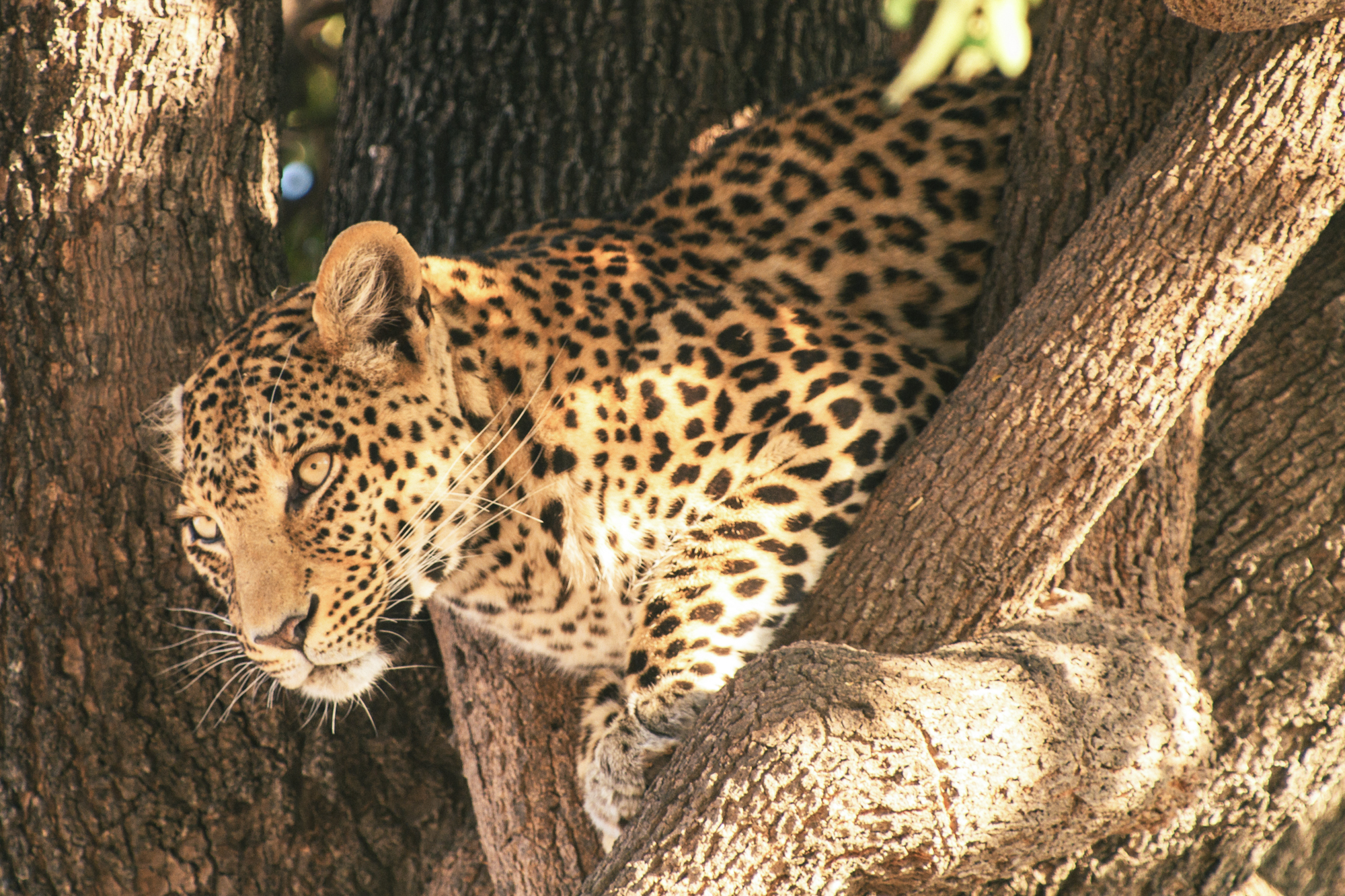
Leica M, Vario-Elmar-R 80 – 200, with the APO-Extender-R 2x
And then there are those magical moments when you are out there and something materializes before your eye, and with your Leica M — yes, with the Leica rangefinder you brought on safari, despite all the advice from others to take along a Canon or Nikon with autofocus… you know, the kind of camera made for this, not a gussied up street camera more appropriate for wide-angle shooting in a crowd than capturing an animal on the move… you suddenly find yourself in a position to take a shot you never dreamed you’d be able to get with a Leica M. It was a real privilege, and joy, to go on safari. And it was a mixed blessing, but on balance, it was a blessing, to be able to take along my familiar Leica M and be able to use it in such a setting.
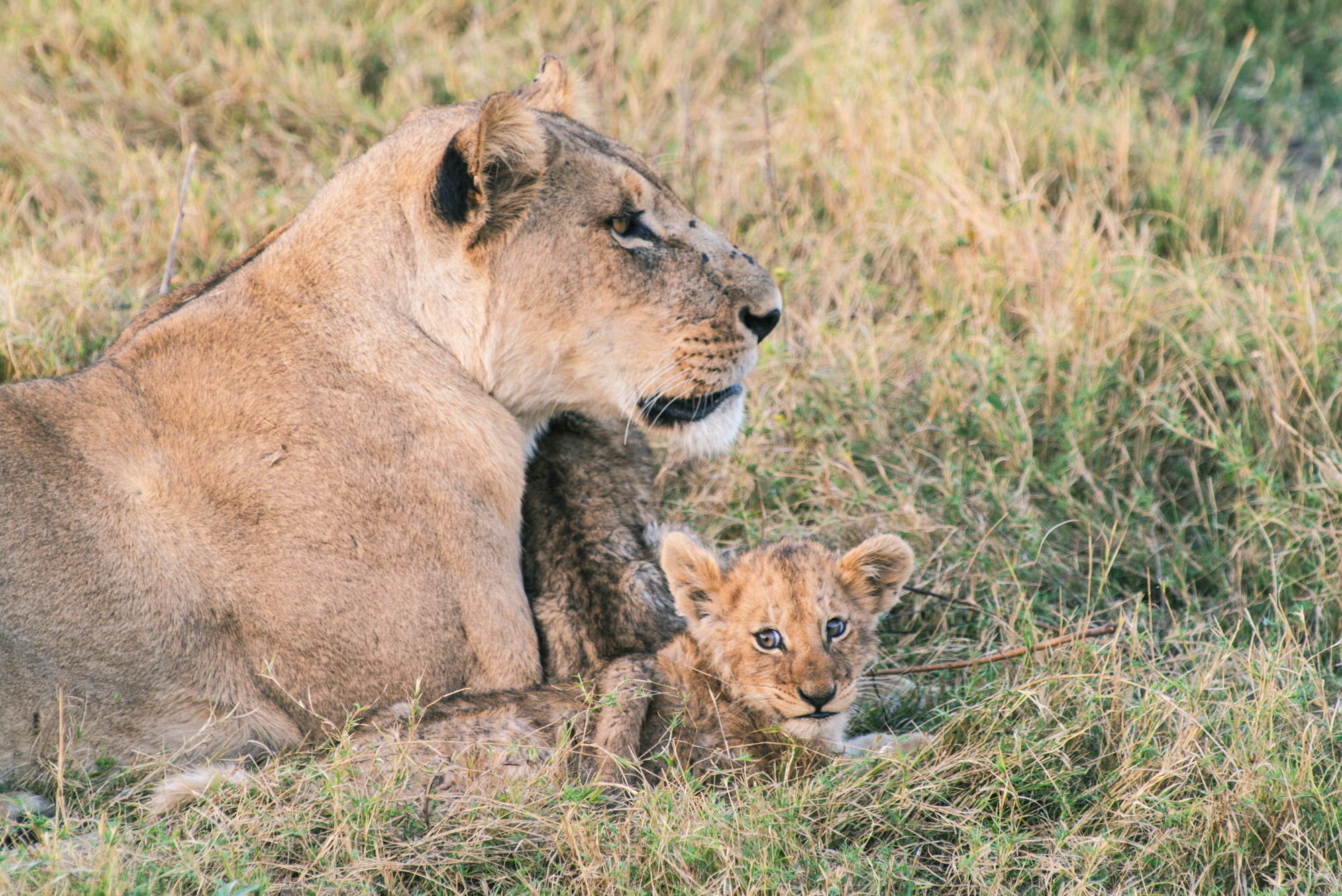
Leica M, Vario-Elmar-R 80-200, with the APO-Extender-R 2X
 Tulip Frenzy