It would seem the recycling has already occurred. Leica M, 35mm Summilux Asph FLE.

It would seem the recycling has already occurred. Leica M, 35mm Summilux Asph FLE.
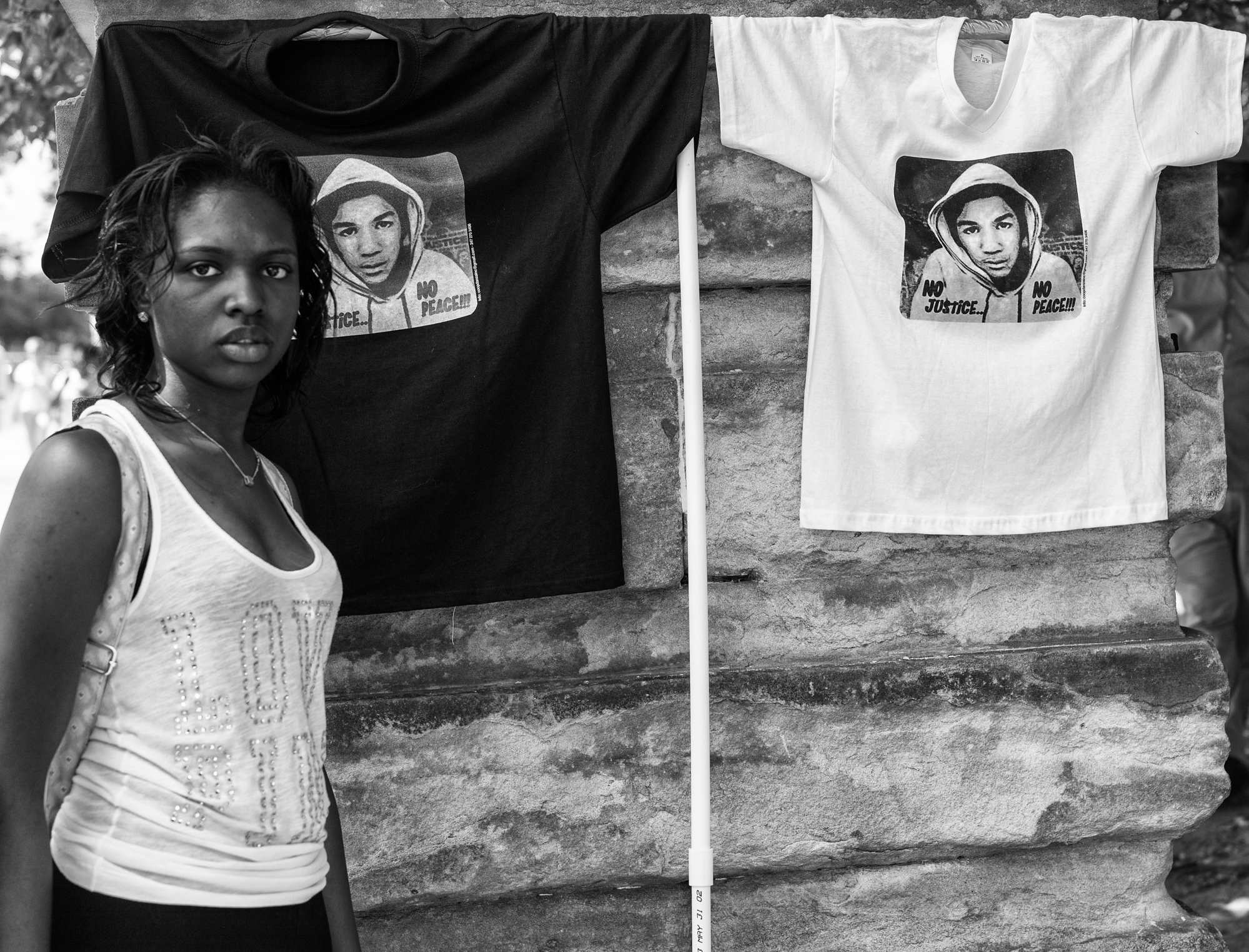
Sometimes the masks we wear in social situations are far more fierce than anything designed to scare away demons. Unposed, and none too happy, on a day when everyone else was. Leica M, 35mm Summilux Asph FLE.

There may be war drums along the Potomac, but on a beautiful Sunday afternoon there were songs of peace along Massachusetts Avenue, NW. Leica M, 35mm Summilux Asph FLE.

Leica M (typ-240), 35mm Summilux Asph FLE.

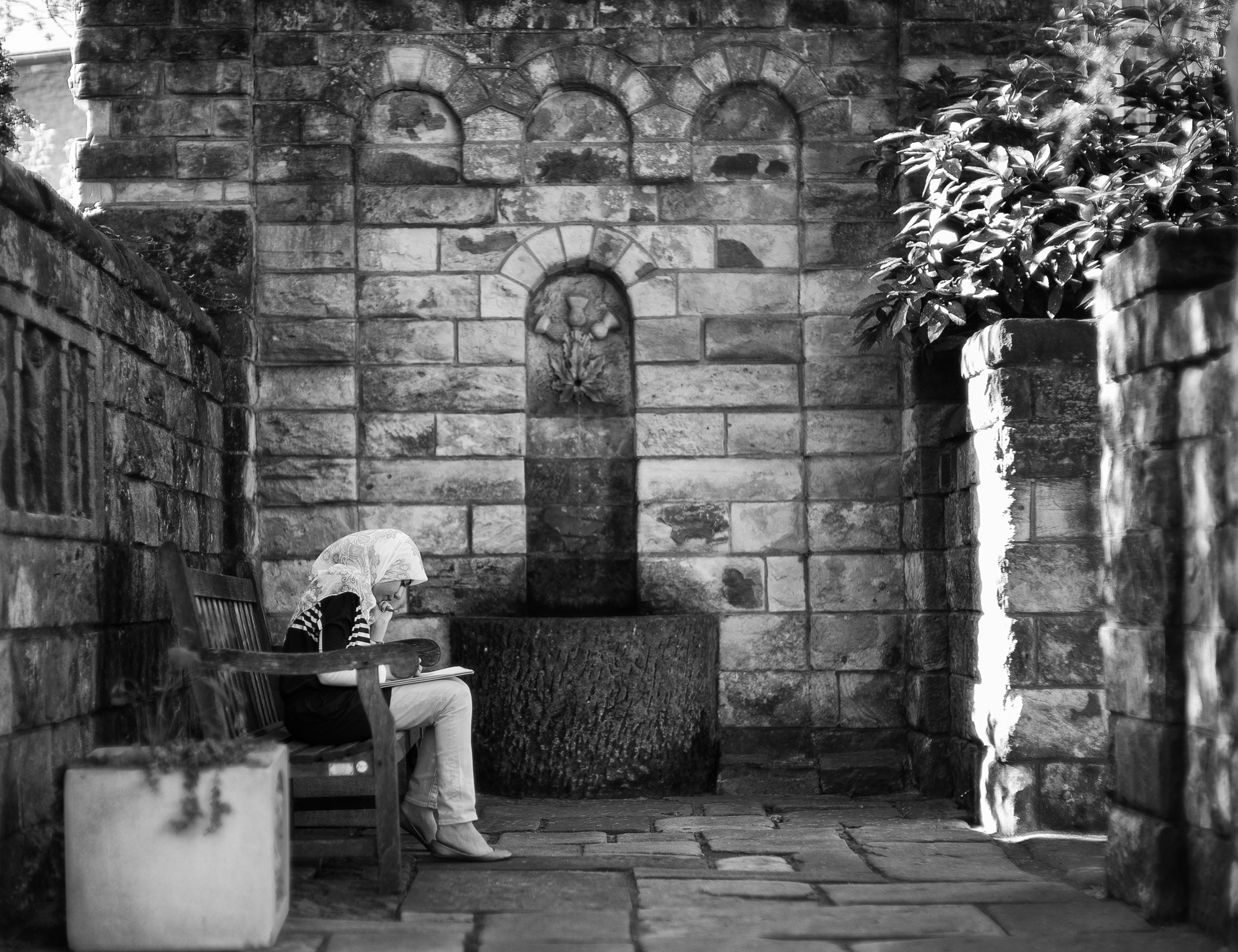
Gorgeous day in the Nation’s Capital. Who wouldn’t want to do her homework in a quiet, shady spot at the National Cathedral? Leica Monochrom, Noctilux.
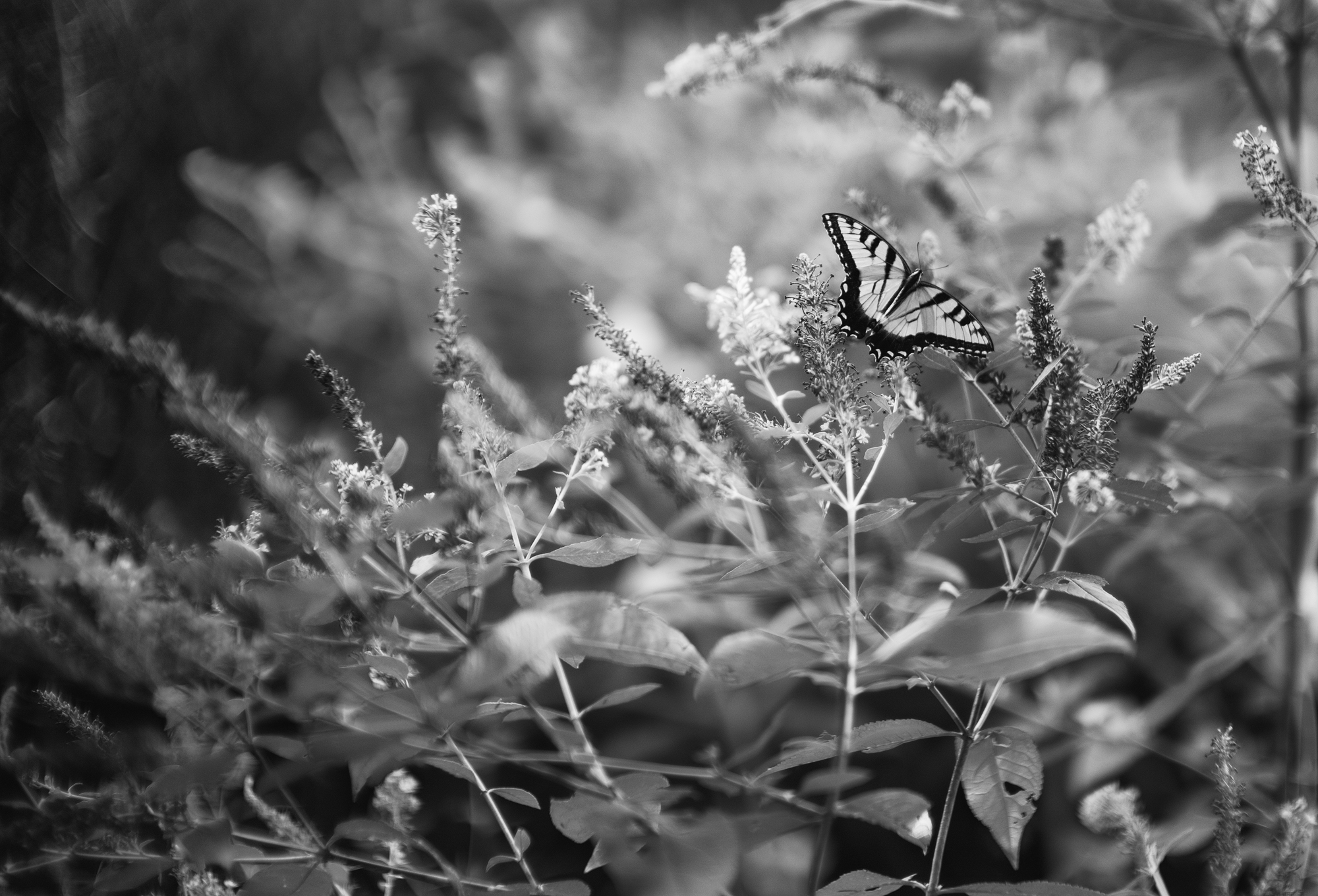
The first full day we had our Leica Monochrom — which arrived one year ago this past week — we took the above picture and amazed ourselves. Not that the photo was so good, but we marveled at the strange fact that, as a lover of deeply saturated color images, we likely never would have processed the picture in black and white; we would have kept it as a color image, and toyed with white balance and tones. If anything, we would have enhanced the color. And in so doing, we might never have discovered that this was an image that would look better as a black and white print.
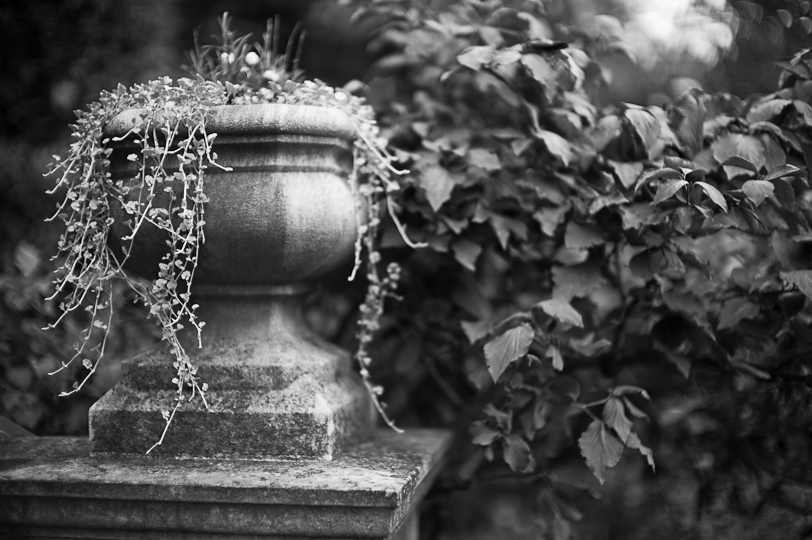
Over those next, early September weeks, it was as if we had discovered photography anew. It had been decades since we’d developed black and white images in a basement. We’d forgotten the joy of not simply capturing the world to see what things looked like as pictures, to paraphrase Gary Winogrand, but to see life transformed into something with more classical resonance. We went to familiar places and, because we were thinking in terms of luminance, not chroma — light, not color — we could see shapes and patterns that once would have been uninteresting to us, and which now, because we were shooting with a black and white sensor precisely as limited as black and white film, could be seen in literally a different light.
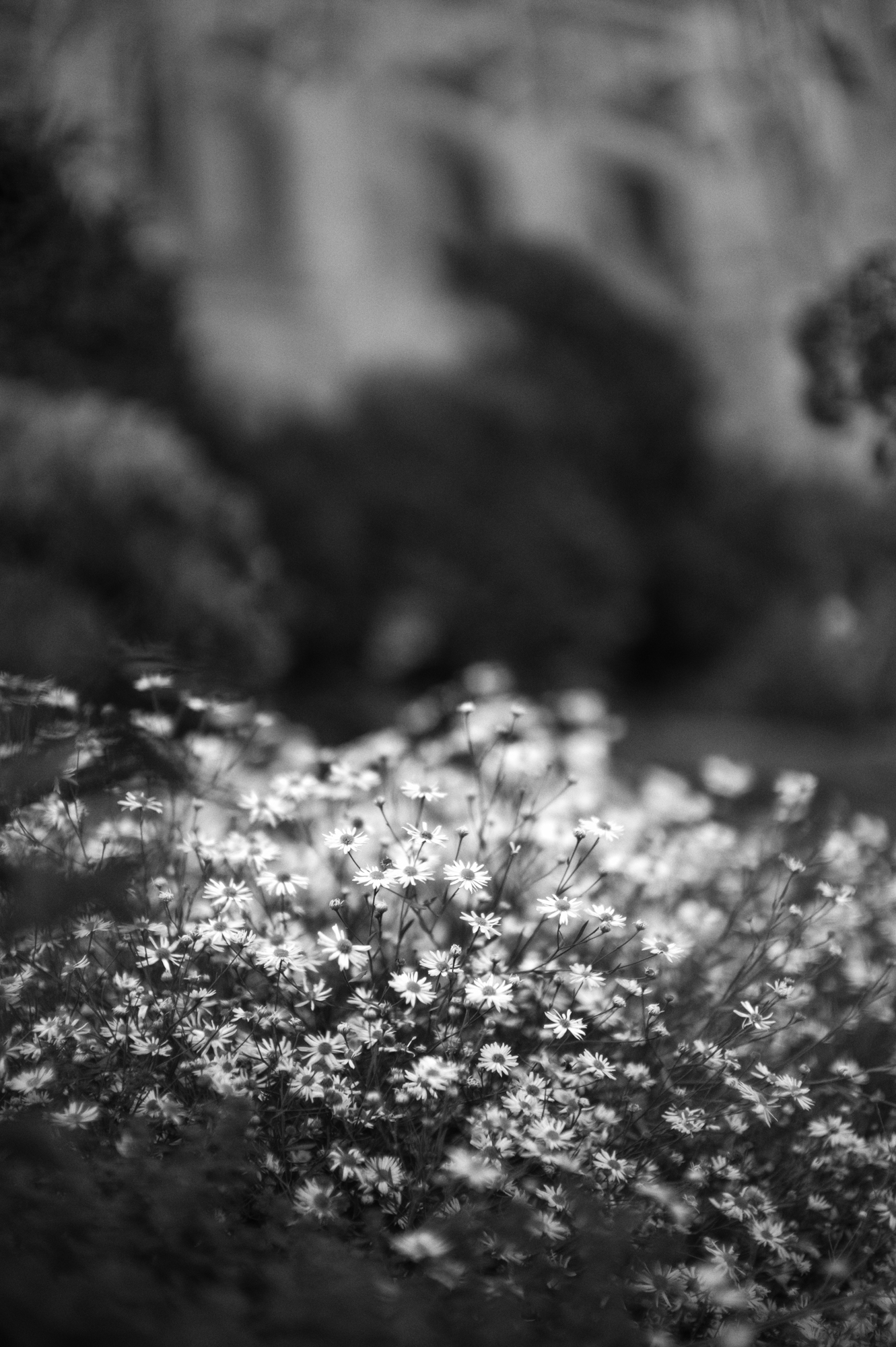
Those first few weeks with the Monochrom were magical, but the adventure continued throughout the late autumn and into the winter. We learned that, shooting with a mindset that was determinedly focused on light and composition, not seduced by the garishness of color, the city that surrounded us could be seen in new ways.
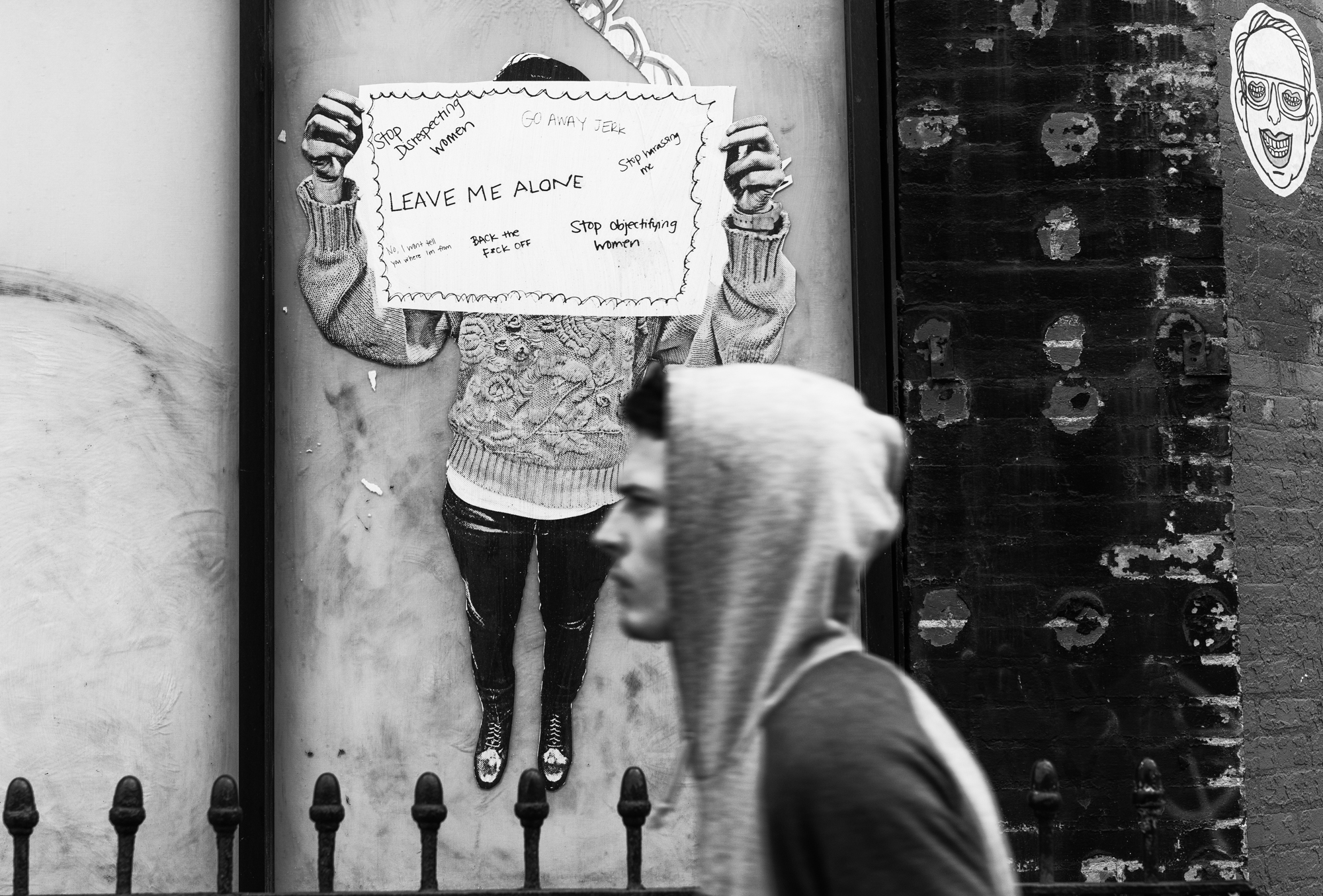
Portraits offered a completely different spectrum of possibilities. The Monochrom had the effect of not just transforming the world we saw into black and white, it transformed the way we considered the world. It transformed our approach to photography. It sent us back to photography books, to see how all the great black and white photographers understood the world they set out to capture. The history of photography became even more relevant.
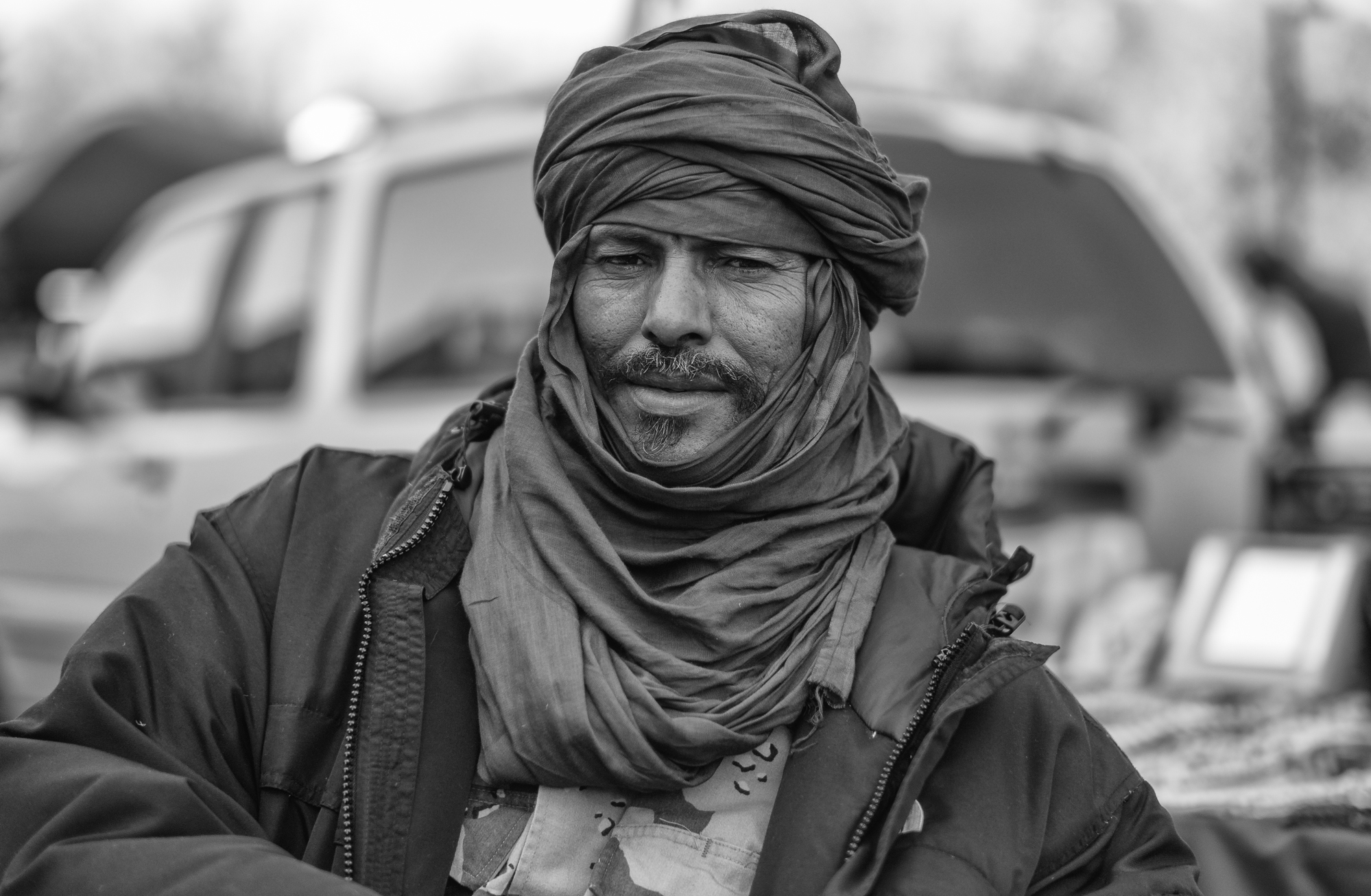
When out and about with our Monochrom, we were drawn to photograph very different people than we might ever before have asked if we could take their picture.

We went out into landscapes we were suddenly excited to try capturing in monochrome, exploiting possibilities inherent in the season. Once again, we saw familiar places and things anew. Yes, dedicated black and white photographers might scoff at this journey we were on. But, the point is, ever since we first took a picture with a Leica M7 and Fuji Velvia film, we’d been dedicated to color photography. This was something new. It made us excited by photography all over again.
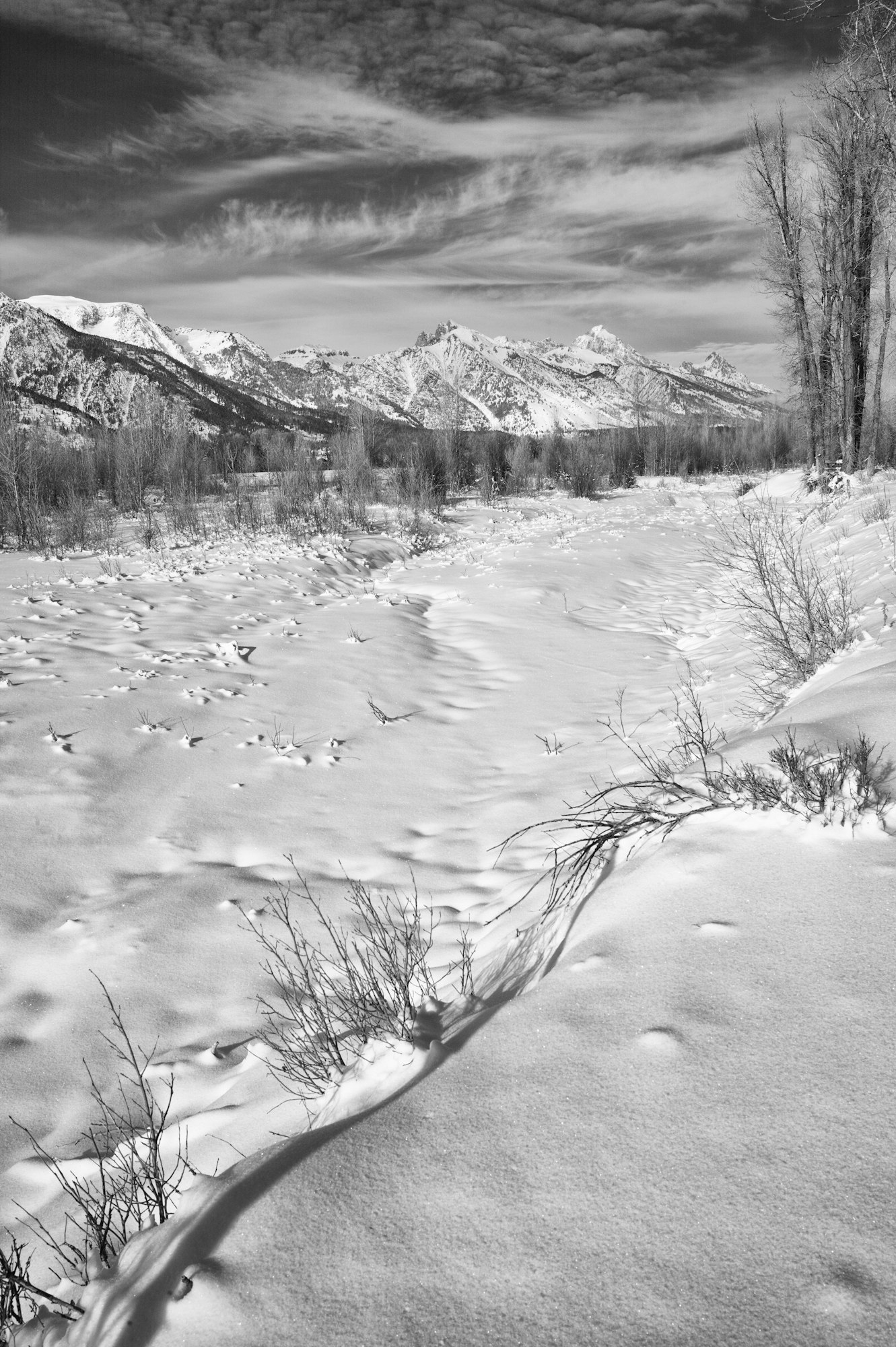
As we waited for spring to arrive, and the landscape to erupt in color, we weren’t stymied by flat light and a limited palette. Photography had become possible in any light and season. In fact, in some cases, flat light was preferable.
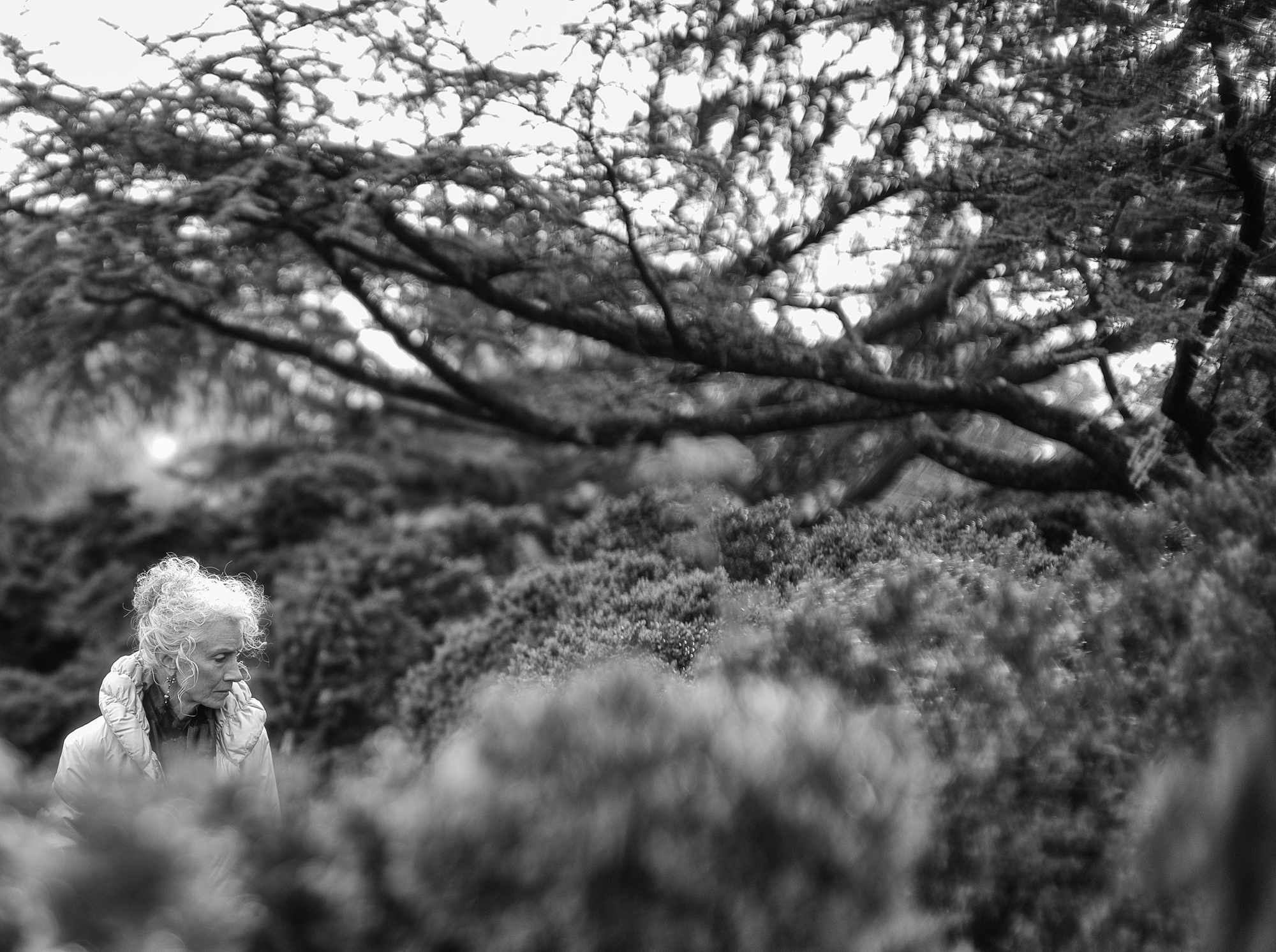
In March, we were fortunate enough to acquire a Leica M (typ 240), which was a step up from our beloved M9. But even as we went on vacation in the Yucatan, and and drank deeply from the rich colors available in that tropical light, we knew for certain which images would be better off taken with the Monochrom. We retained that sensibility that black and white photography was a superior approach, sometimes.
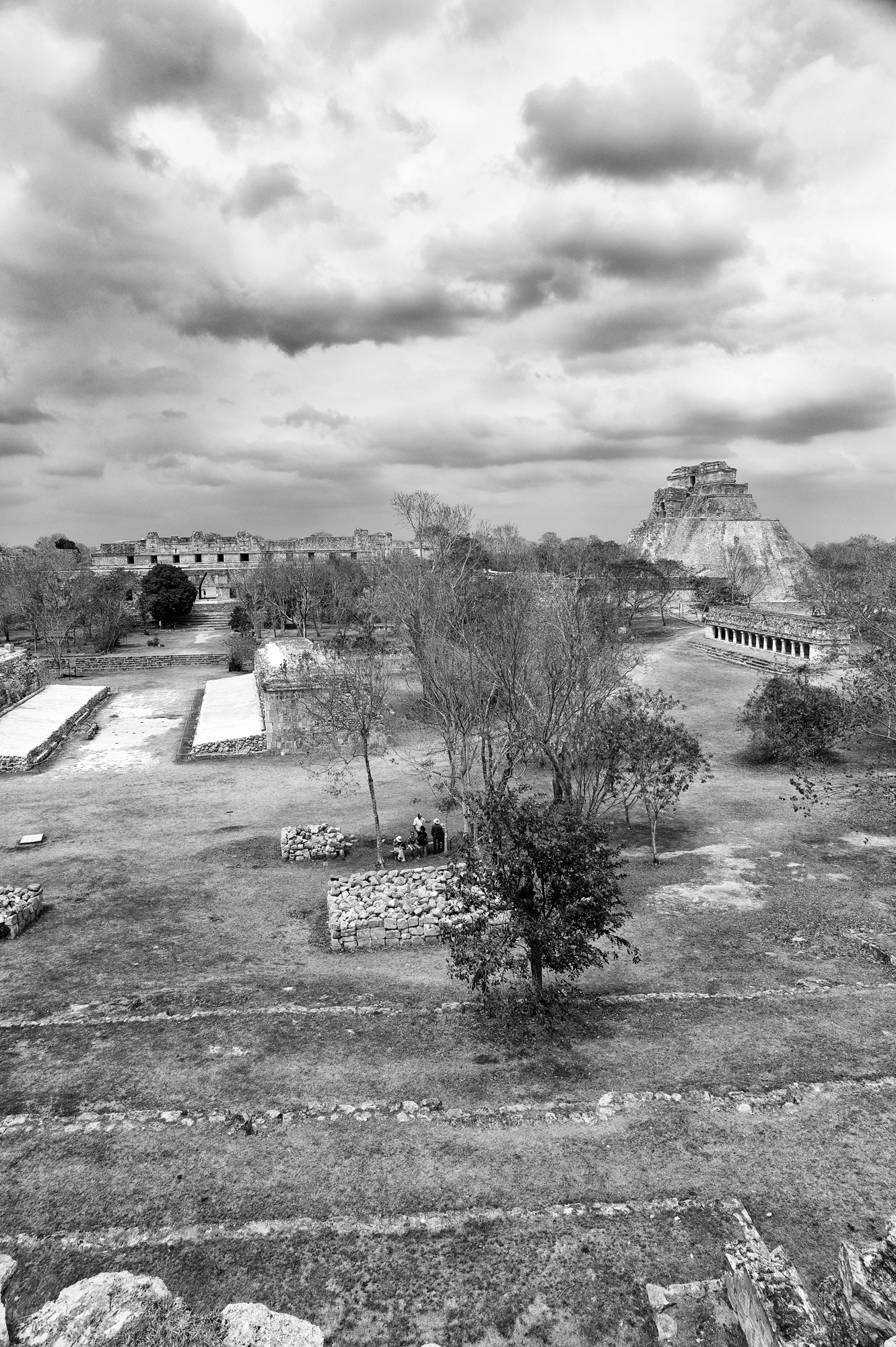
As summer arrived, we went out with a different expectation of what we could record with our camera(s). There were days when we deliberately set out to find images that lent themselves to a kind of classical photography that just a year earlier, we wouldn’t have considered. Or would have taken in color and not have had the sensibility to exploit in the more dramatic medium of black and white photography.
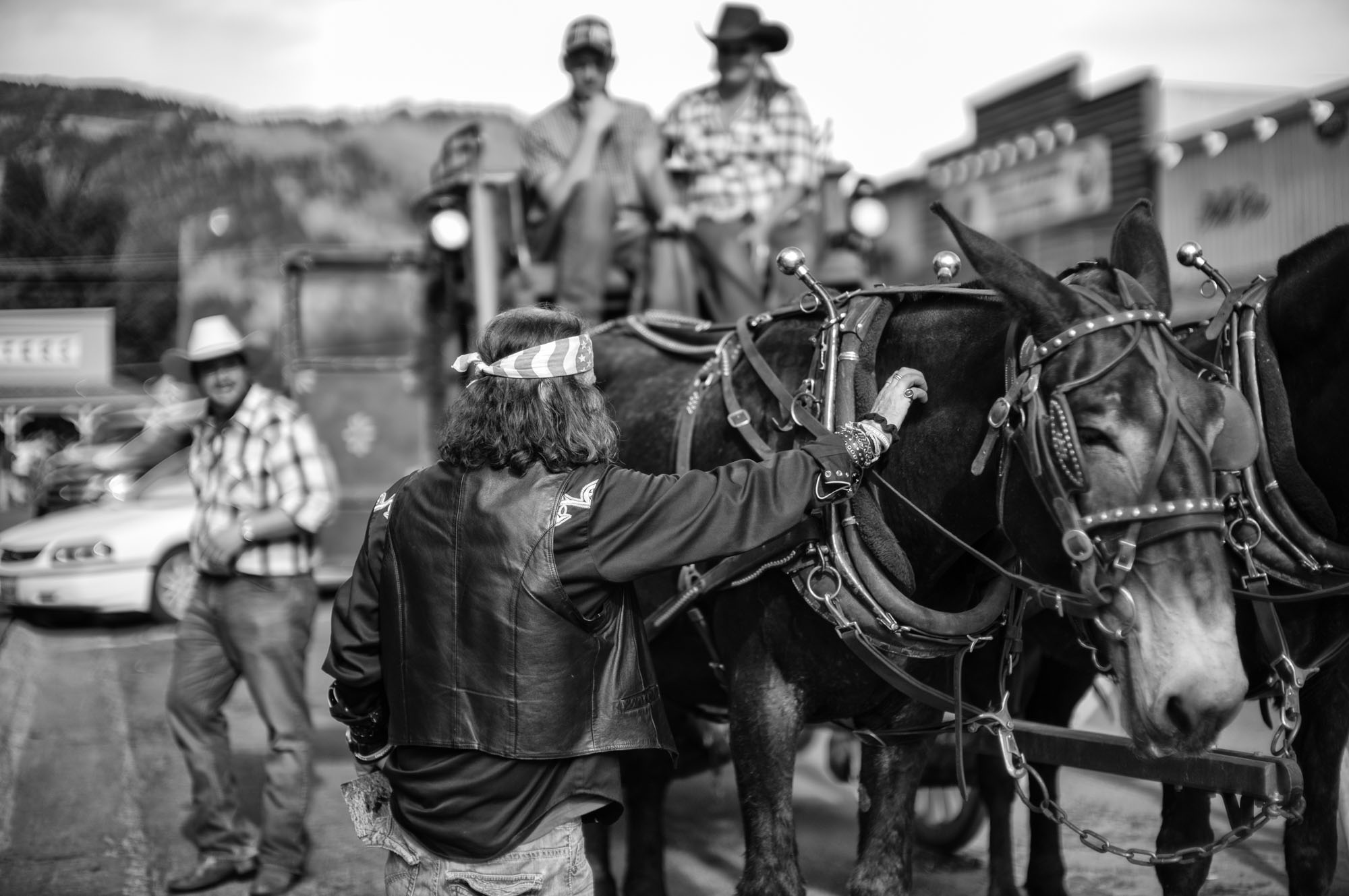
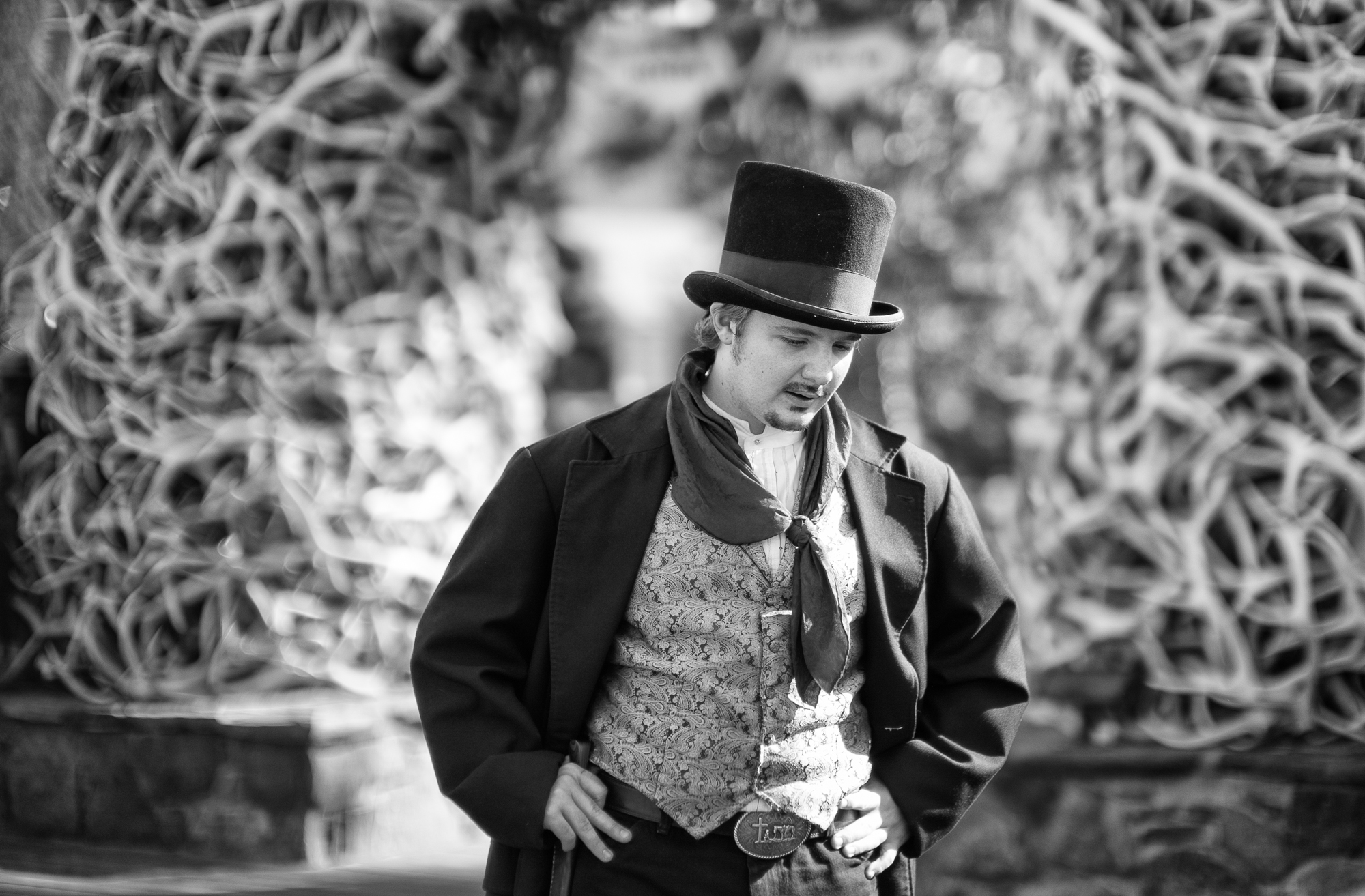
Our time out West this past summer was spent in a possibly schizoid contrast between taking photos of the natural environment with as much appreciation for the color palette as possible and then deliberately desaturating what we saw in our mind’s eye so as to capture timeless images in black and white.
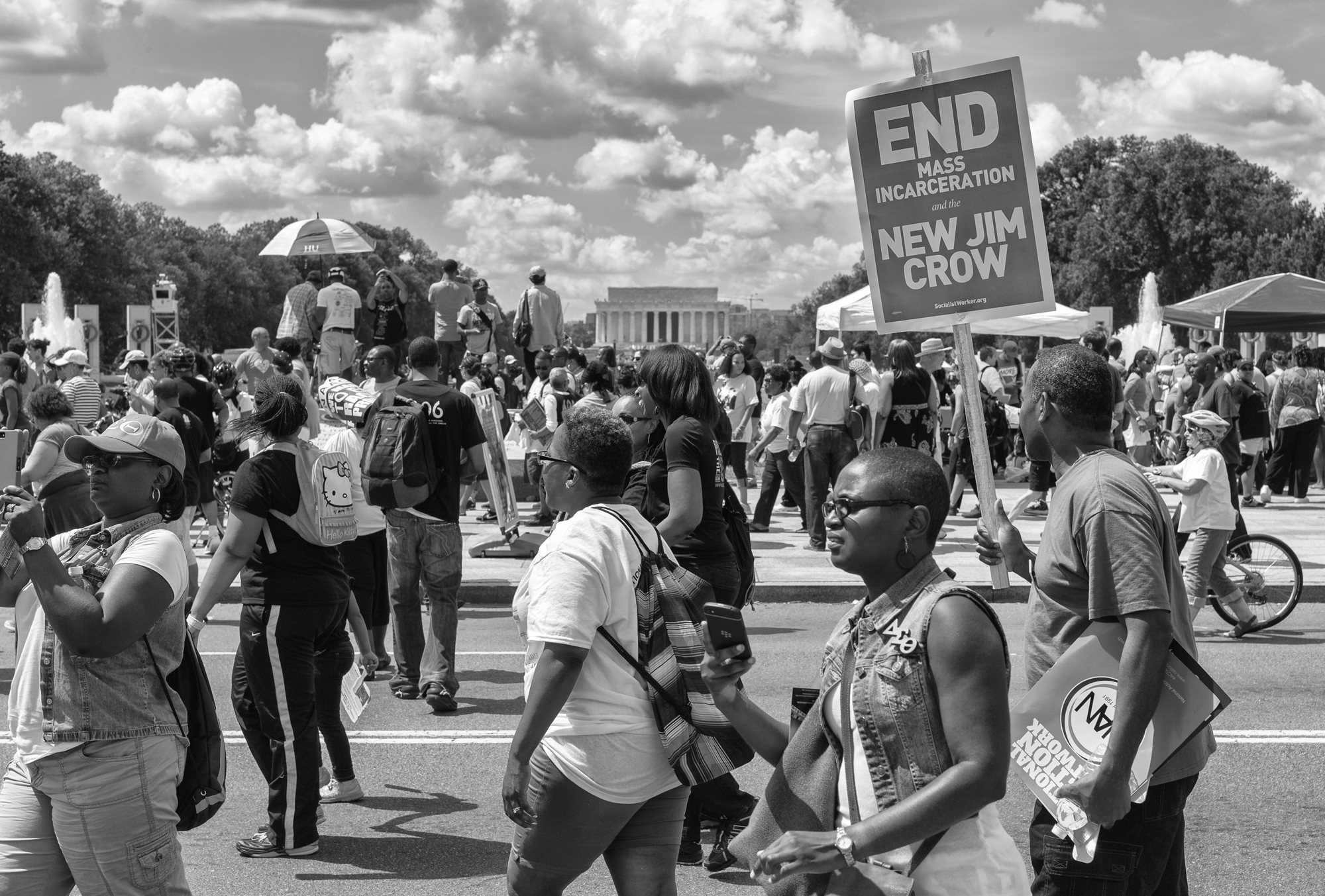
As the full year with the Monochrom came to a close, and an event like the 50th Anniversary of the March on Washington arrived, we went out in the streets with our Monochrom, because now it simply appealed to us to capture such an event in black and white.
A camera is a tool. But one year with the Leica Monochrom not only enabled us to view images in a wholly new way. It opened our eyes. It is more than a tool. It is magical.
Follow John Buckley on Twitter: @Johnbuckley100.
Over the course of the last several weeks, we’ve read a good deal of magical — and wishful — thinking about the release of Bob Dylan’s Another Self Portrait. If the rock critters who currently are claiming the two-album compilation of various outtakes, stripped-down tracks, and unreleased gems are to be believed, then the producers have turned water into wine, coal into diamonds, and gold has been alchemically created from base metals via a Philosopher’s Stone recently discovered in the archives of Columbia Records.
For here is the truth, at least as we see it. The three most interesting periods in Dylan’s long career are 1) the genius stretch from Bringing It All Back Home through the ’65 tour and Blonde On Blonde; 2) The Basement Tapes; and 3, that mature eruption of late-innings creativity best summarized by The Bootleg Series Volume 8: Tell Tale Signs, which includes songs from 1989’s Oh Mercy to 2006’s Modern Times. Of all the various periods in Dylan’s half-century of astonishing creativity, the batch of records ranging from John Wesley Harding and Nashville Skyline to New Morning — and including the acknowledged dreck that was most of Self Portrait — is, if not the least satisfying run of albums (you’d probably have to bracket the 1980s period preceding Oh Mercy for that), then let’s call it for what it is: a comparatively weak, uncertain detour in what is otherwise a straight shot from Greenwich Village to artistic Valhalla.
We were mystified, as a teenager, by Self Portrait, especially given how much amazing music was happening at that moment, from the Beatles and Stones to hippy caravans with their saddlebags stuffed with all the Mad Dogs, Englishmen, and nascent Zeppelins. So to come out now, with what admittedly are some fine, lost Dylan songs, and make a claim, as some have, that this tumultuous period in Dylan’s amazing output is on the same aesthetic level as his best is, let’s face it, hooey. Given the famous Greil Marcus opener in the Rolling Stone review of Self Portrait — “What is this shit?” — we could say the same now about a fair bit of the hyperbole over this set of songs.
Except, except, there is this: the great Mikal Gilmore’s marvelous cover story in the new Rolling Stone captures the historical moment in what reads to us like pitch perfect balance. He makes no claims for the songs in the new album other than that they provide perspective lost in what was the official output of the day. And by ratcheting down the hype, he enabled us calmly to listen to both CDs of the newly found stuff, and to find the gems sprinkled among them. This is absolutely worth your time and money, even if the whole period of Dylan’s output — as influential as it was, shaking rock music from its jittery psychedelia to the more solid, stripped down country and blues that, in the Stones’ case, would lead to Beggars Banquet, and which would inspire the Byrds to consort with Gram Parsons — was neither as interesting as what came before it, nor as exciting as what was to come.
And then there is this: if you pony up for the box set, it arrives with the entirety of the Isle of Wight concert recorded on this very day 44 years ago. Picture the scene: Dylan has skipped the Woodstock Festival in his backyard two weeks previously, flown to England with The Band, and he performs his first concert in four years before a crowd of 200,000, which includes various Beatles and Stones. And the set he performs, as we now know from hearing the whole thing, ranks as one of the greatest-ever Dylan live recordings. For all the reports that he was nervous and ragged during this concert, with the fullness of time he sounds relaxed and loose and confident. He sings in that glottal, Johnny Cash-inspired voice we recognize from “Lay Lady Lay” — in fact, the version of “Lay Lady Lay” is worth the wheel barrow of money you have to pay to get the box set, with this CD — and all in, there may never be as strong a live vocal performance by Dylan that you’ll ever be able to buy, and yes we have the Rolling Thunder Review material. This live set has none of the jittery, amphetamine punch of ’65 set with The Band, and is wholly more satisfying in sound than the Before The Flood set from ’74. This live album is pure genius, wholly satisfying, a revelation.
And why does only one other person seem to notice? Leica M, 50mm APO-Summicron-Asph.

All photos Leica M and 50mm APO-Summicron-Asph.

There may have been fewer people than there were 50 years ago — the rainy day, punctuated by steam heat, was a discouragement for some. But it was a pretty great and historic moment.
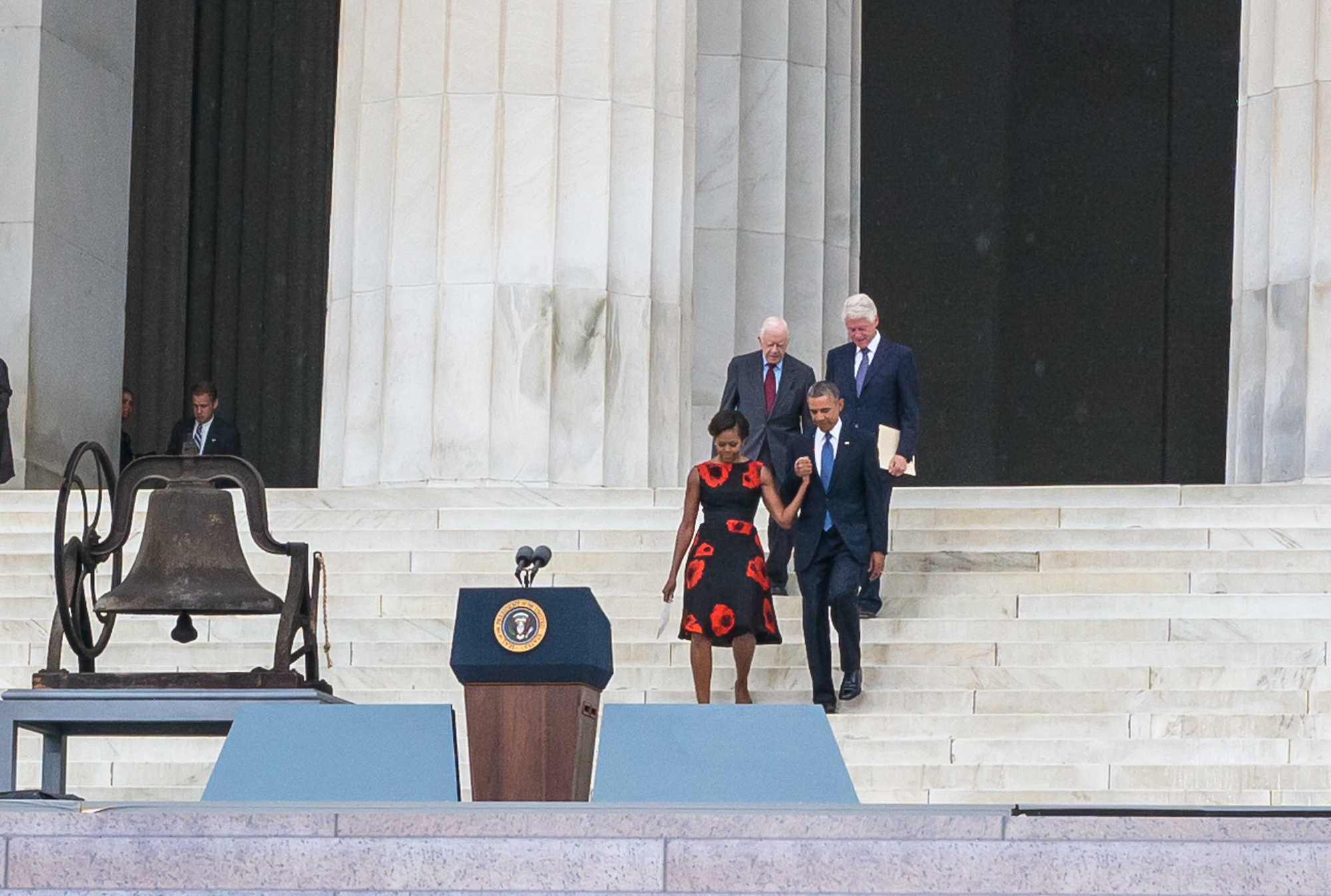
It was a day for remembering the past and pointing to the future.

And for recording the moment for posterity.
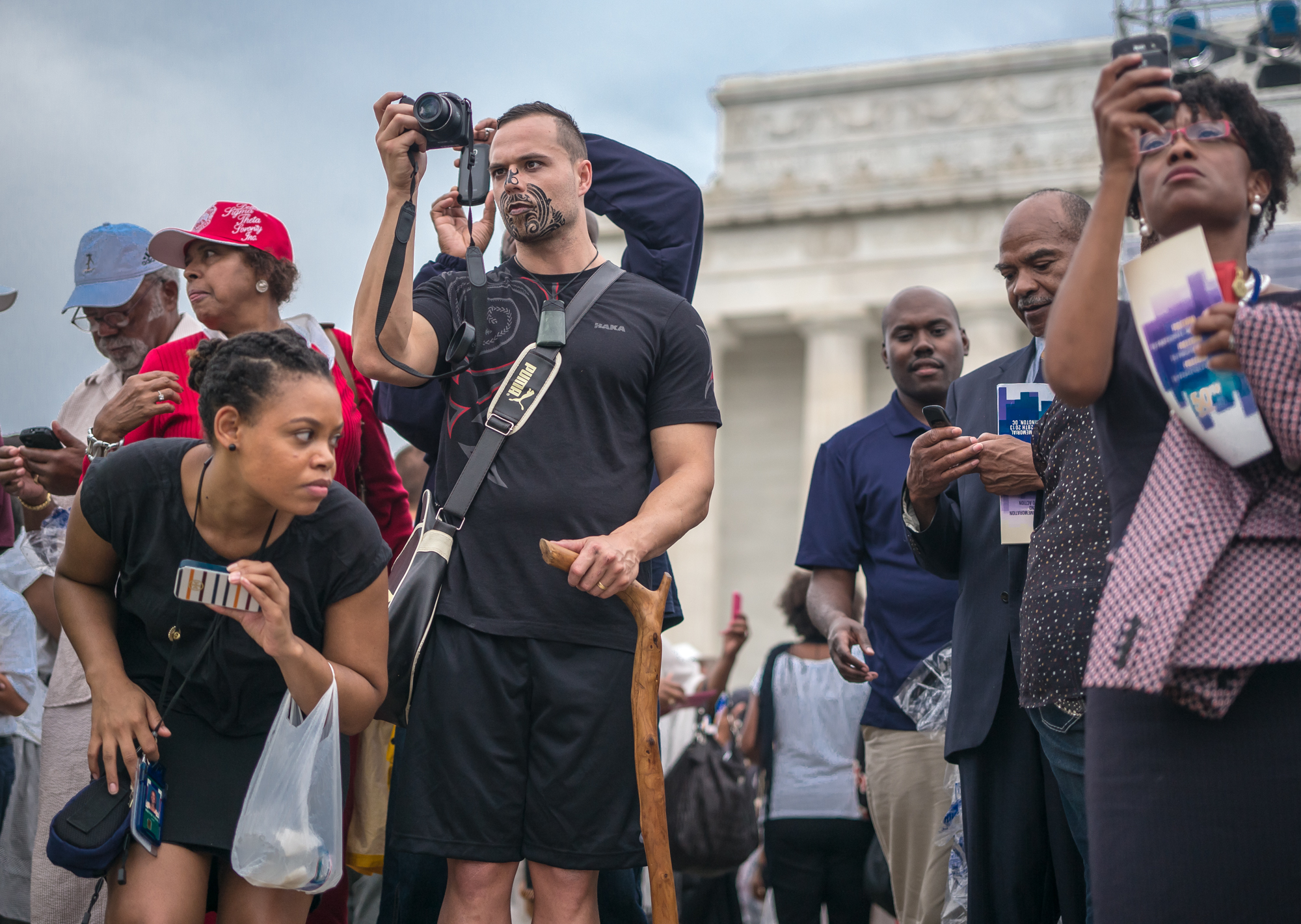
Everyone seemed to understand the importance of the moment.

And in spite of the weather and the long day, people left with smiles on their faces.

 Tulip Frenzy