Archive for the Uncategorized Category

Street Photography, Personal Safety, And Lessons From Bruce Davidson

Posted in Uncategorized with tags , , on October 10, 2012 by johnbuckley100

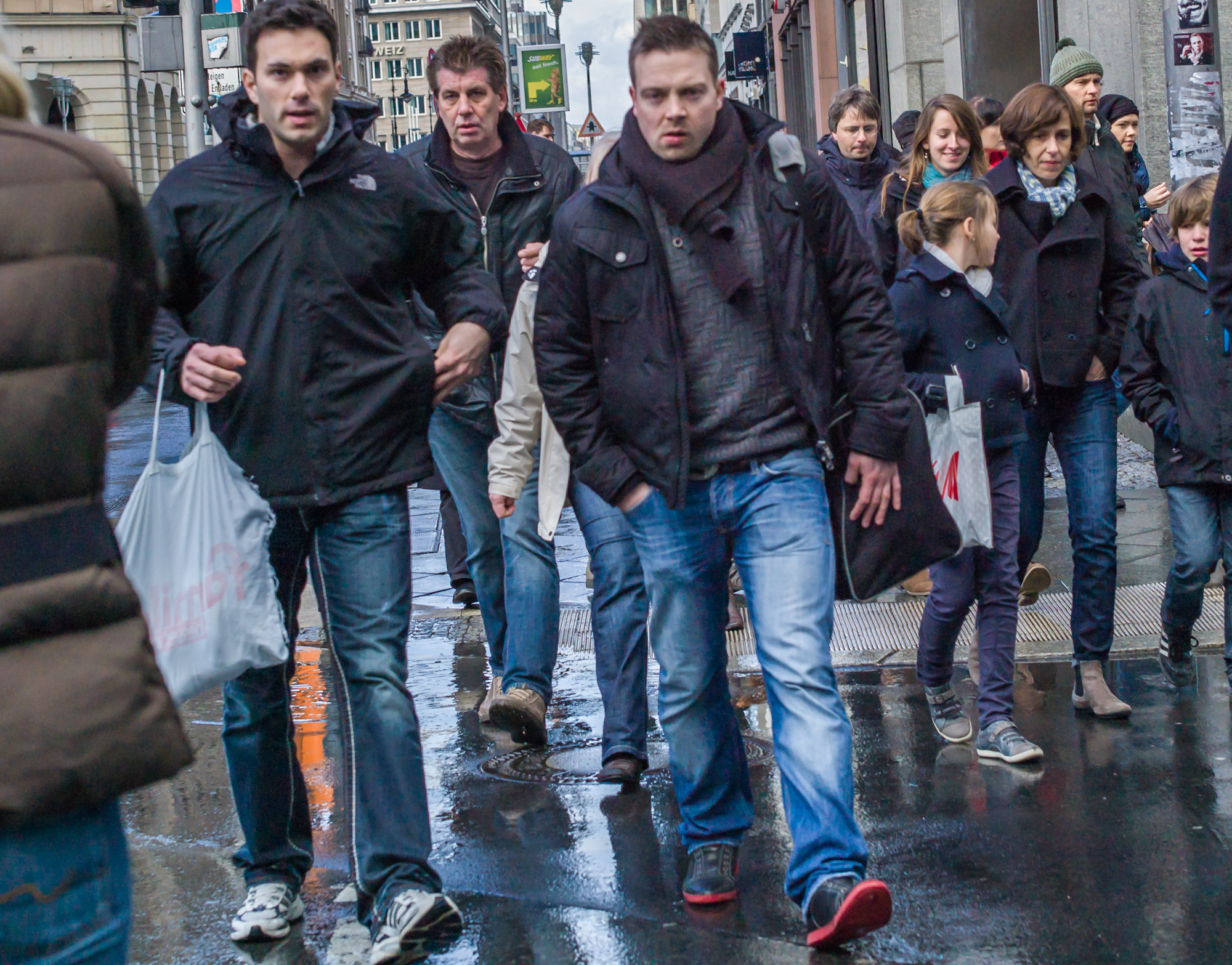
Berlin, 20012.  Leica M9, 35mm Summilux FLE

It’s not unusual to take a photo of someone on the street and have them immediately glare at the camera, and at you, with menace in their eyes.  And sometimes people act on their impulse to go after the photographer.  Just this week in Washington, D.C., a street photographer was assaulted after taking a picture of a guy running in front of the Verizon Center, which is the most public space in a city of public spaces, the D.C. equivalent of Main Street.

This morning, the prolific street photographer Eric Kim posted a paean to Bruce Davidson, one of the 20th Century’s masters, and it included 15 lessons to be learned from Davidson’s approach to street photography.  It’s really very well done, a distillation of Davidson’s methods that include how to stay safe and get the shot, even when the person sitting across from you on the subway has a scar across his face that looks like it was done with a scythe in a knife fight with Death, and he says, “Take my picture and I’ll smash your camera.”  Davidson got the shot.  Eric Kim tells you how.

Raiders Of The Lost Oaks

Posted in Uncategorized with tags , on October 10, 2012 by johnbuckley100

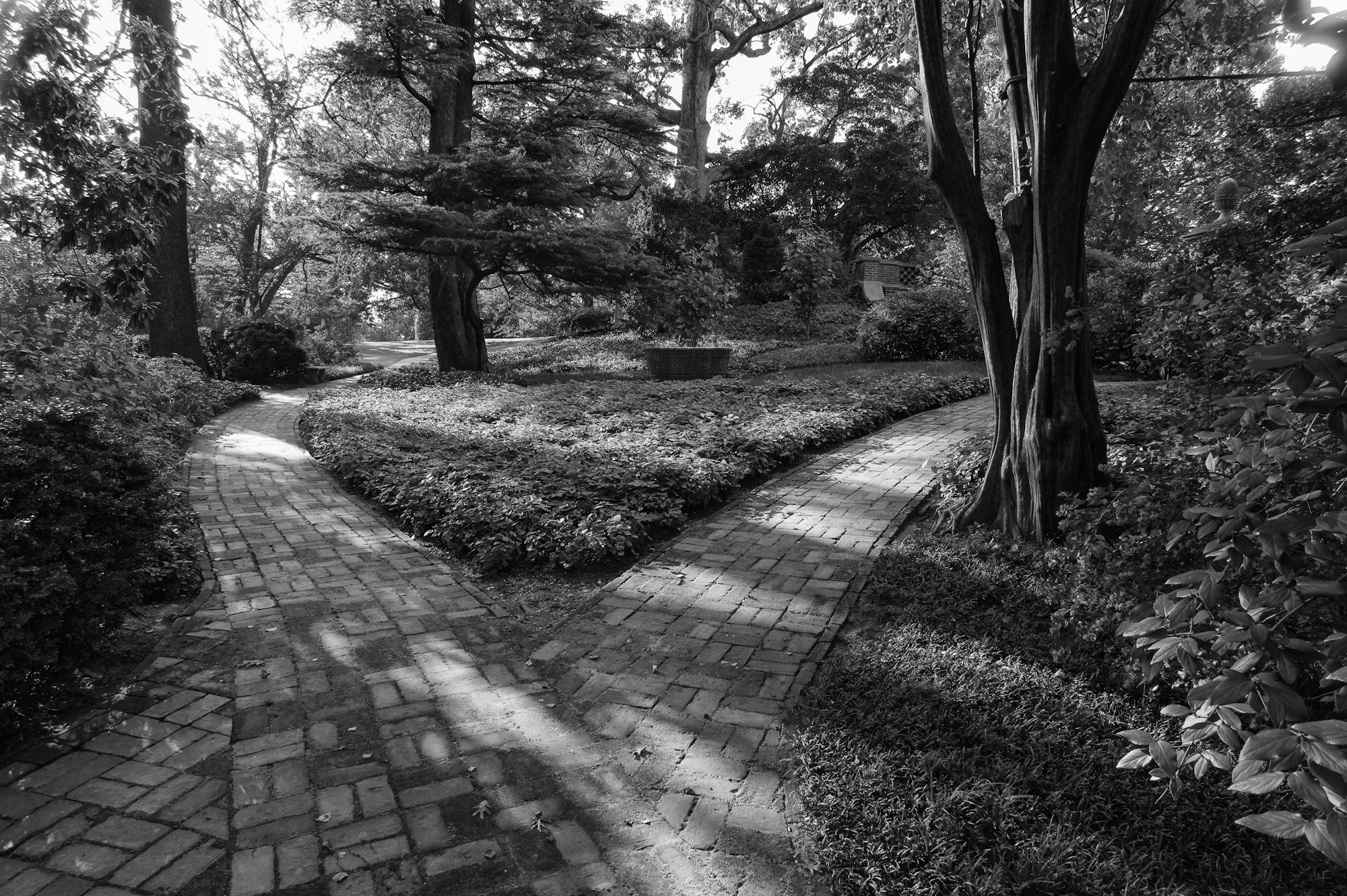
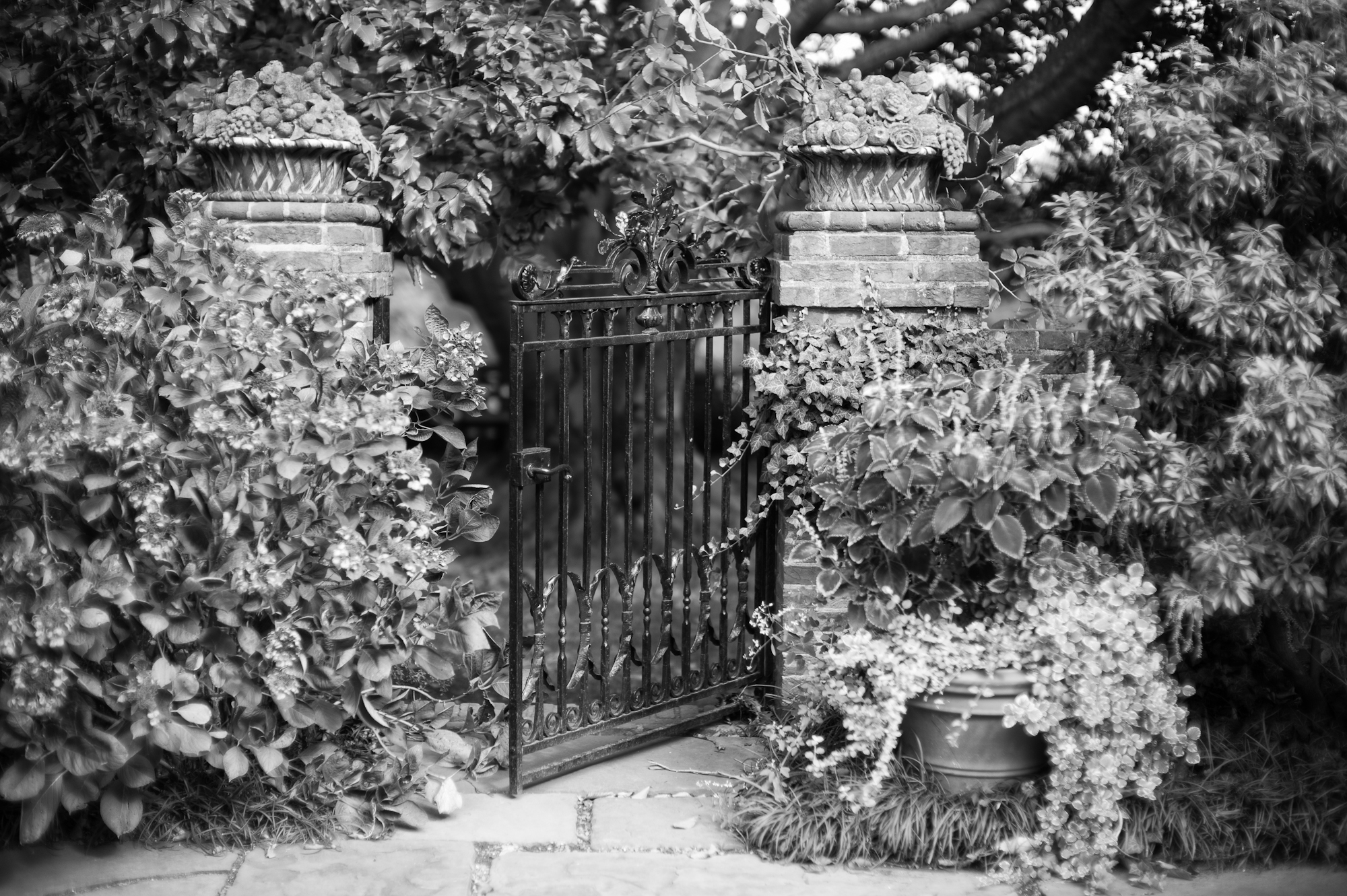
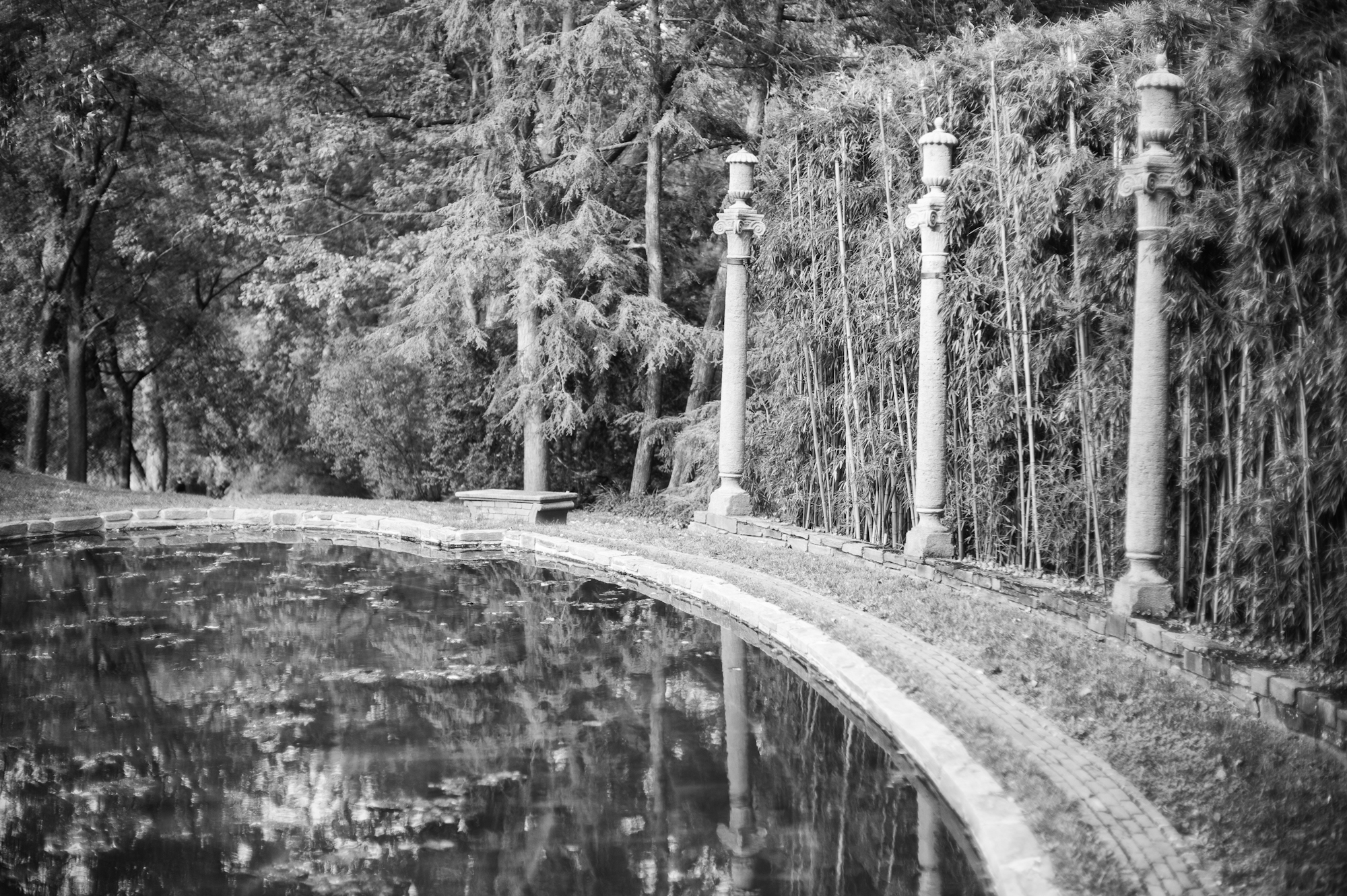
Dumbarton Oaks, Washington, D.C. Leica Monochrom, 21mm Summilux.

A.C. Newman’s “Shut Down The Streets” Is The Best New Pornographers Album Of 2012

Posted in Uncategorized with tags , , on October 9, 2012 by johnbuckley100

Some band leaders take a respite from their main gig to try something completely different — play with Slash or Moroccan tribesman, explore songs all composed for zithers or something, do an album of covers they’d never get their bandmates to play. A.C. Newman punctuates New Pornographers albums with solo records that sound a lot like… New Pornographers albums, with a fair bit of overlap among musicians.  Maybe Shut Down The Streets is made up of songs that Kurt Dahle refuses to drum on, but sheesh, Neko sings on ’em, so why not just round up the gang?  And isn’t that Kurt on The Decembrists-esque “I’m Not Talking?”  Maybe the gang *is* all here.

If those aren’t his fellow Pornos playing, we’re betting their absence is a matter of convenience, of Carl Newman having moved himself and his expanding family to Upstate New York while most  of his colleagues prefer to see the sun set over the orcas gamboling in Vancouver Harbor.  All we know is that, not for the first time, Newman’s released a fine album that will do more than tide us over until the next New Pornographers album sweet-talks its way past the censors.

We’re liking Shut Down The Streets almost as much as The Slow Wonder, and a lot more than Get Guilty, which came out in 2009.  After the first two New Porno albums made the world a whackier and far more joyous place, some of the band’s fans reacted to the third album — Twin Cinemas, with its oft-slower, less manic songs — like Andrew Sullivan reviewing the President’s recent debate performance.  But we liked the depth and minor-key melodic shifts, the emotional complexity of that album and what followed, especially on subsequent albums, with songs like “Fortune” and “We End Up Together,” which swapped effervescent irony for psychic nourishment, pop rocks for comfort food.  And so it goes with Shut Down The Streets, which shows a parallel progression from The Slow Wonder that Together showed from Mass Romantic, and is a lot more like “Bones Of An Idol” than “The SlowDescent Into Alcoholism.”

Newman is now a married man, a father, an adult so willing to step up to the richer, heavier texture of his new life that he tweets threats to his dachshund (who apparently started it by growling at the newborn.)  Making the Sophie’s Choice of one’s kid over the pooch…not a typical rock star move.  The same evidence of maturity is shown throughout Shut Down The Streets.  A little of the old manic wildness is gone, but what remains is so admirably resonant you’d think he was a Canadian or something.

The Leica M Monochrom And The Showering Of Autumn Leaves

Posted in Uncategorized with tags , on October 7, 2012 by johnbuckley100

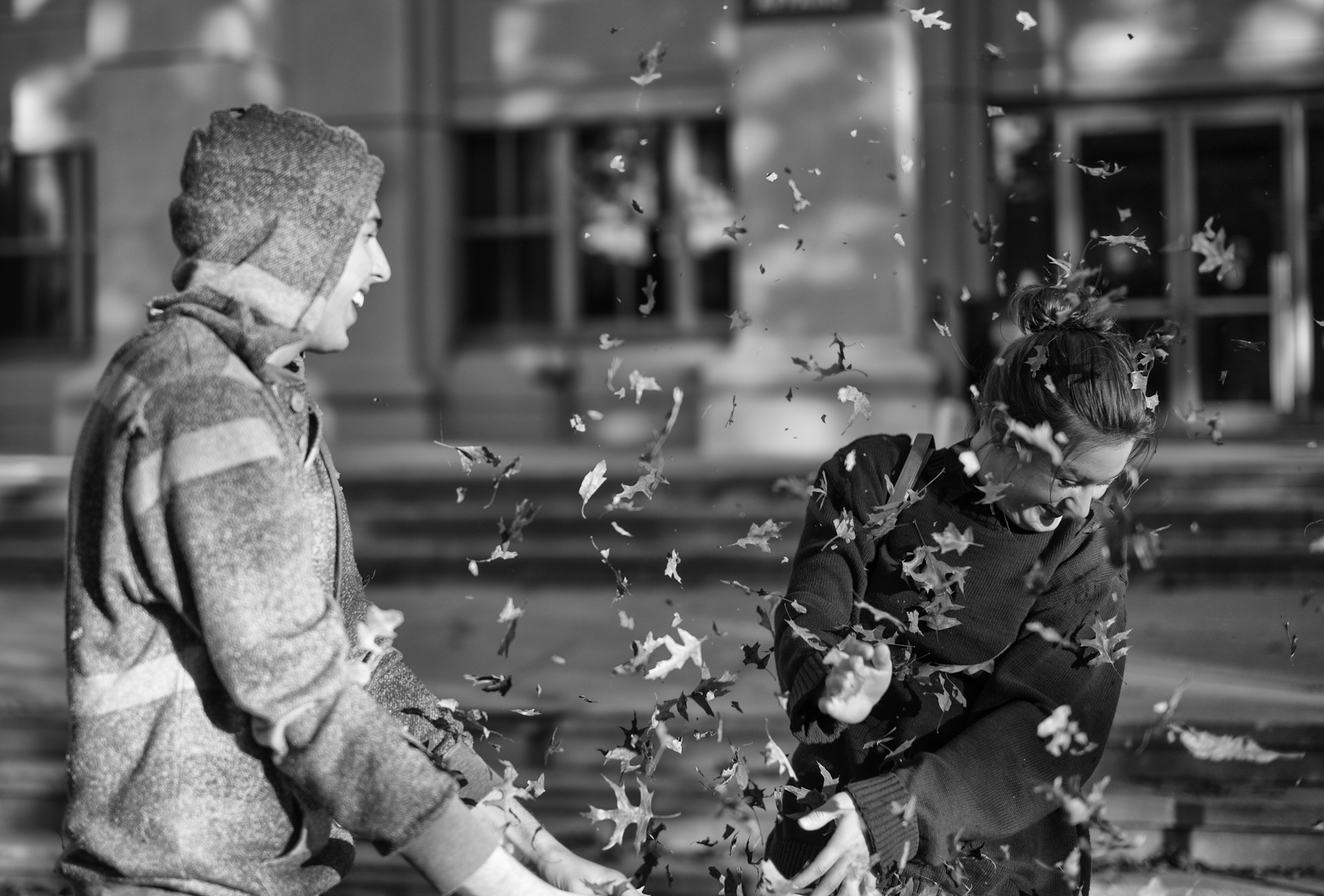
A pair of A.U. students were having fun with fallen leaves as we cut across the campus.  Leica M Monochrom, 50mm Summilux, 2x ND filter.


When they realized a photographer was enjoying what they were doing, they really got into it.

Chinatown Station

Posted in Uncategorized with tags , on October 6, 2012 by johnbuckley100

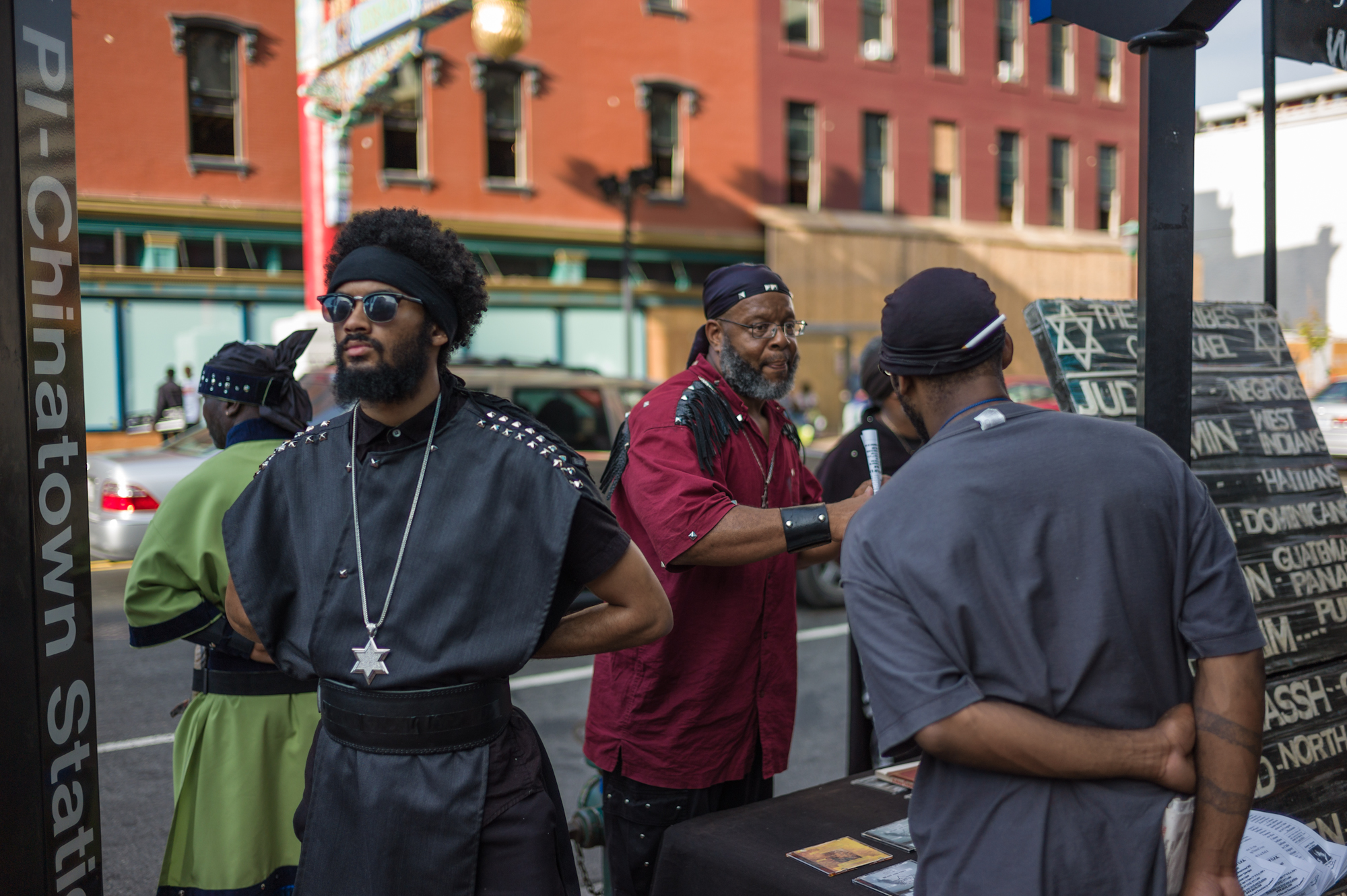
Leica M9, 35mm Summilux FLE.

Quick, Which Path?

Posted in Uncategorized with tags , on October 6, 2012 by johnbuckley100

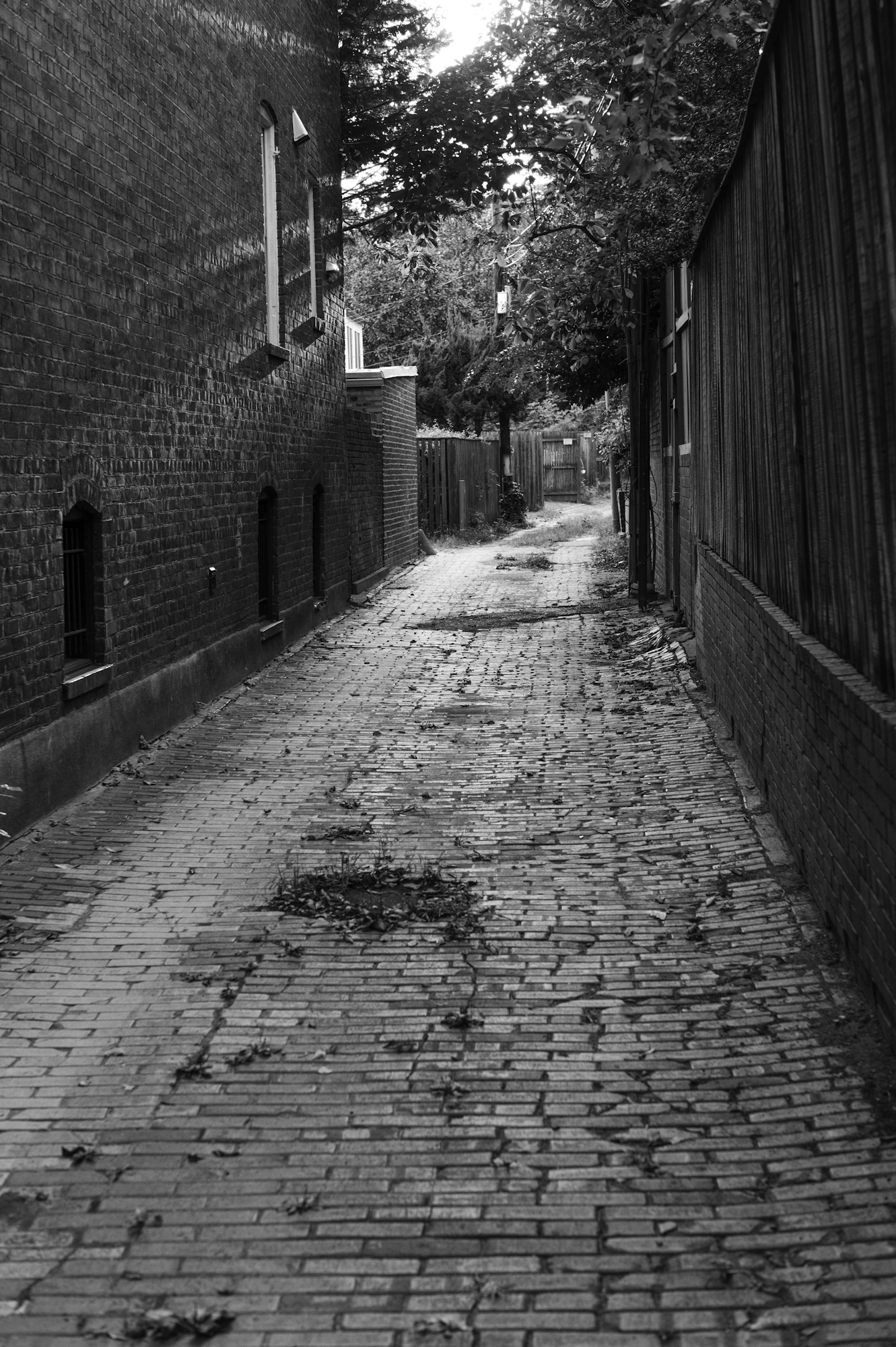
Leica Monochrom, 21mm Summilux.  As always, click on the image to see the resolution of this camera and lens.

Stereogum’s Great Bill Doss Compilation Post

Posted in Uncategorized with tags , , , on October 6, 2012 by johnbuckley100

Noble Stereogum, making an equivalent use of the medium as Bill Doss made of guitars and tape recorders, has just posted an amazing tribute to the late Bill Doss, replete with songs he graced with Olivia Tremor Control, The Sunshine Fix, The Apples In Stereo, and Chocolate USA.  Hell, they practically have the whole Elephant 6 Collective starring in “The Story of Elephant 6’s Bill Doss, Told In 10 Songs.”  In these here parts, it’s Friday night.  Go have a nice weekend listen.  Maybe this will tide us over til the posthumous OTC reunion album gets released.  Thanks, Stereogum.

The Power of Black And White Portraiture

Posted in Uncategorized with tags , on October 5, 2012 by johnbuckley100

The Leica Monochrom, and our attendant focus on the power of black and white photography, raises the issue of why the absence of color renders images of people in a more arresting manner.


Leica Monochrom, Leica Noctilux f/0.95, 3x ND Filter

No doubt there is a literature on the topic, but our initial belief is that just as selective focus isolates the person or people who are the photograph’s subject, there is something about the desaturation of color that renders the image out of the context of (contemporary) time.


Leica Monochrom, Leica Noctilux f/0.95, 3x ND filter

And sometimes the combination of isolation and timelessness, even on a shot that you don’t quite get, reveals the power of photography in a way that’s compelling.


Leica Monochrom, Leica Noctilux f/0.95, 3x ND filter

The Lost Glove Is Happy

Posted in Uncategorized with tags , , , , , , on October 5, 2012 by johnbuckley100

For much of the past week, we have been thinking about synchronicity.  No, not the Police album.  More like the theory outlined in Arthur Koestler’s The Roots Of Coincidence, which described causally unrelated events occurring.

This flows from the following: last Saturday, while traveling, we began reading Pale Fire for the first time since college… for the first time, come to think of it, since we read Koestler… and we chuckled when Nabokov’s gloriously unreliable narrator Charles Kinbote relates a proverb from the mythical country of Zembla, that goes, “The lost glove is happy.”  Kind of struck a chord, but we chalked it up to having read the book so long ago.

And then on Monday, for some strange reason, we played Luna’s great 2003 album Rendezvous, whose first song is “Love Dust.”  And about three verses in, Dean Wareham sings:

I’m bad with faces

And worse with names

But the lost glove is happy

It’s all the same

And we about launched from our driver’s seat.  What are the odds of that?  Haven’t played “Love Dust” in a year or more…

Reflections On A Month With The Leica Monochrom

Posted in Uncategorized with tags , , , , on September 27, 2012 by johnbuckley100

All photos Leica Monochrom and Noctilux f/0.95, except where noted.  Click on photos for a clearer view.

It is, of course, some kind of post-modern irony that with the release of Leica’s digital M Monochrom, which offers stunningly powerful technology yet takes only black and white photos, we rediscovered the timelessness of monochrome photography.  Yes, there are aficionados who never stopped taking pictures with silver halide film, and yes, since the earliest days of digital, there have been straightforward software solutions enabling color images to be transformed, as it turns out, back to the black and white images that are first captured by the camera’s sensor.  But as we have used it over the past 30 days, Leica’s Monochrom, which captures data as black and white and then, in a somewhat revolutionary move, stops there, not subjecting the image to a color filter, has been for us a revelation.
Photographers who embrace Leica cameras and lenses, particularly in the digital age when Canon and Nikon offer high-end devices with a plethora of options for the operator to consider, tend to favor fairly radical simplification.  After all, to use an M, even a digital M, means turning one’s back on things like spot metering and automatic focus — things most modern photographers take so for granted, they can’t imagine what kind of retrograde personality would do without them.  And yet here is Leica removing the option even to capture an image in color.  But as we have learned over the past month, there are many benefits to this approach.  To begin with, the image below was taken well after sunset, at ISO 5000 — a setting commonplace for use by DSLR photographers, but not by rangefinder photographers who use Leica’s legendary lenses.

Leica Monochrom, 35mm Summilux FLE, f/8, 1/500th.

Over a decade of shooting with Leica rangefinders — first film, and later the digital M8 and M9 — many of the essential elements of photography we learned as a kid came back to us.  However, it must be said that with our M7, we shot black and white film sparingly, and with the M8 and M9, seldom converted digital images to black and white, because we so loved the highly saturated color that we saw in Fuji Velvia transparencies or what showed up in Lightroom.  Being forced to think in black and white, viewing things in luminance, not chroma, has been an adjustment, a revelation, and a delight.  Did we need to use a monochrome-only camera to achieve this?  No, of course not.  But the binary system has forced us to take our Monochrom into situations we previously would have “seen” in color and forced us to see them anew — and in more classical terms.
Leica Monochrom and 35mm Summilux FLE

The grip of color is too powerful to give up, and even after we had our Monochrom for a week or so, when the opportunity presented itself, on a beautiful sunny day, to wander around the city taking pictures, of course we took our M9 — it was a cloudless day, the sky was blue, and we realized that we think of black and white more for when the light is dimmer, the sky is grayer.  (When we think of the thousands of black and white pictures taken by our favorite photographers, they always seem to have been taken on days with imperfect light — imperfect for a color photographer who needs bright light to get the saturated colors he loves.)  The warning that blown highlights with the Monochrom cannot be recovered, because nothing is hiding in one of the color channels, hasn’t really affected us so far — and blown highlights, in which the sky shows up as white, looks pretty much the way they always have in black and white photography.  But even now, we find ourself giving into our instinct, when wandering out into the street on a bright and sunny day, to leave the Monochrom behind and shoot in color.  After all, one can always convert to black and white in post-processing, right?

The possibilities inherent in the Monochrom and its sensor, in softer light, has consistently blown our mind.  Consistently, we’ve gone out to take pictures and been transported into a prior time — not just the black and white film-wielding days of our youth, but something that we are not too self-conscious to say reminds us of some prior age of classic photography.

A picture we might well have previously taken with our M9 has emerged from the Monochrom looking, well, different.  Maybe everything we’ve learned over the past decade is paying off; it obviously can’t just be the equipment.  After all, cameras are just a tool, right? But we can’t help but think that the Monochrom is a special tool — a deliberately limiting mechanism that paradoxically opens up new horizons along classical lines.  When William Eggleston and Stephen Shore and others shook the art world by its lapels and demanded that color photography be taken seriously, something important happened.  But this back-to-the-future approach of using cutting edge technology to render something timeless is strangely liberating.  Skeptics will say, Yeah, there’s nothing here that couldn’t be captured by an M9, or any other camera, and be coaxed out through software.  And our reply is, Yes, but we never would have explored those possibilities before the Monochrom.  If the best camera is the one you have with you, as the saying goes, the corollary is that the best way of seeing may be the one that reflects the tool you have to use.

Yes, of an evening, we would have wandered Northwest Washington D.C.’s gardens and urban oases with our M9, and come back with some lovely images, because how could you not, given the gorgeous material?  Yet we doubt we would have thought of what magic could occur, after sunset, when the light was “bad.”  The range of the camera is extraordinary — and we have barely scratched the surface of what it can do.  We’ve barely used it at high ISOs, we haven’t deliberately taken it into impossibly dark situations, we’ve shot most of the images we’ve taken with it at ISO 640 or below.  And yet we find ourselves gravitating to an approach that is at odds with the capabilities most celebrated, and used this simplifying camera in a simplified form: low ISO, but mostly shot with fast glass wide open.

Not just because it takes color images, we view our M9 as our main camera, and the Monochrom as a specialty tool.  But just as all photographers, learning and trying to improve their craft, seek to find an identity that is their own — a style that has some consistency, and isn’t simply a grab bag of opportunistic snapshots — we are fully willing to accept a split personality.  The Monochrom will operate in one universe, the M9, or someday, the M, in another.  We sit here, having had the Monochrom for just a month, marveling at the worlds it has opened up.