She really needs to adopt that dog. Or the one behind her. Leica Monochrom, 35mm Summicron v. IV.

She really needs to adopt that dog. Or the one behind her. Leica Monochrom, 35mm Summicron v. IV.
We’re bad at math, so we were a little shocked when we read today that Double Exposure is Kelley’s 10th album. All we know is that today, when in night-before-Christmas anticipation we started playing 2003’s Antique Glow, we thought of this image below, taken Saturday while walking through the H Street Festival. Kelley Stoltz albums are a little like this. If you’ve ever heard him, you’ll know just what we mean. And if you haven’t, well tomorrow may be your lucky day. Leica Monochrom, 35mm Summicron v. IV (The King of Bokeh).
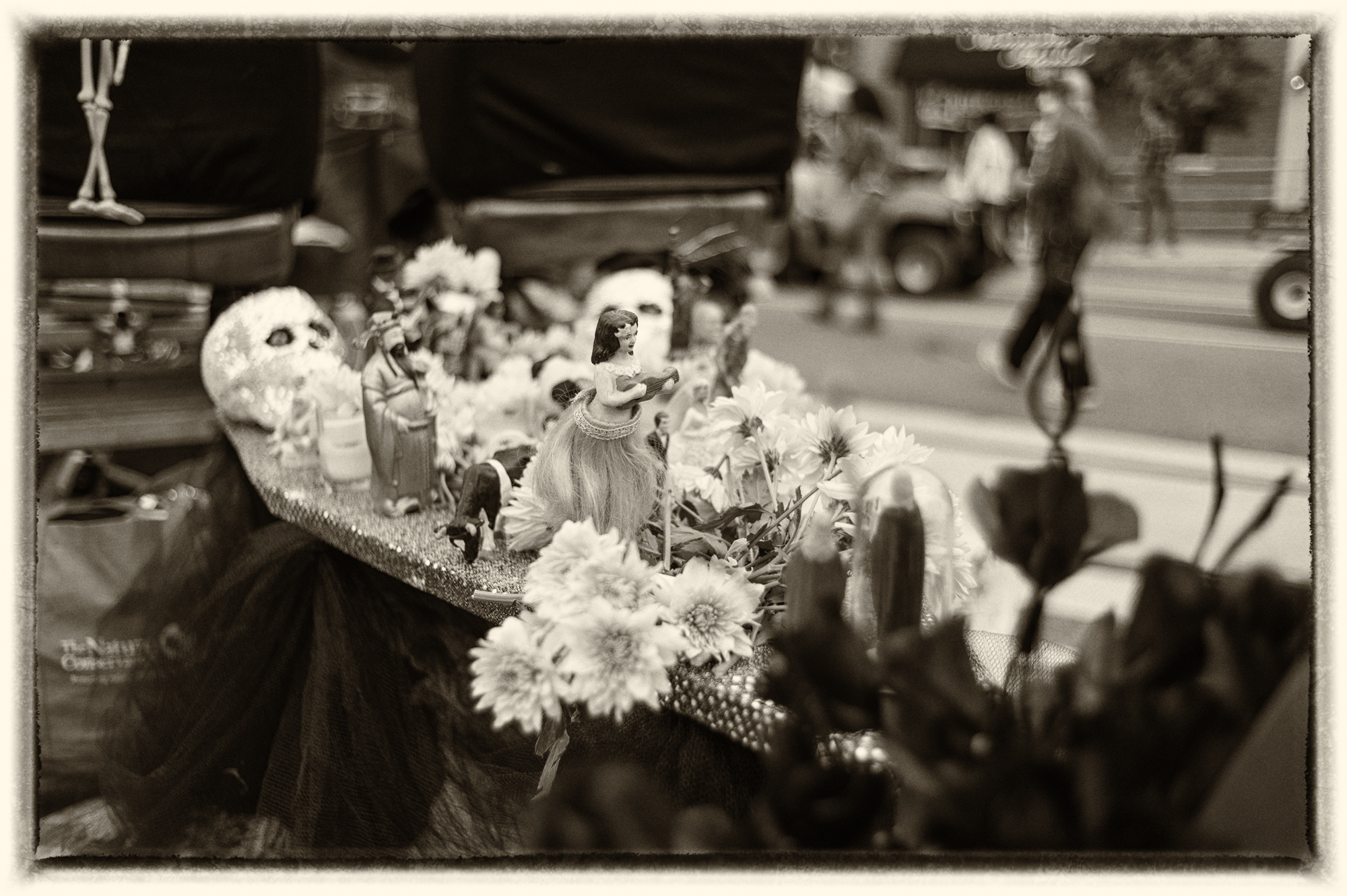
H Street Festival, Leica Monochrom, 35mm Summicron v. IV (The King of Bokeh).
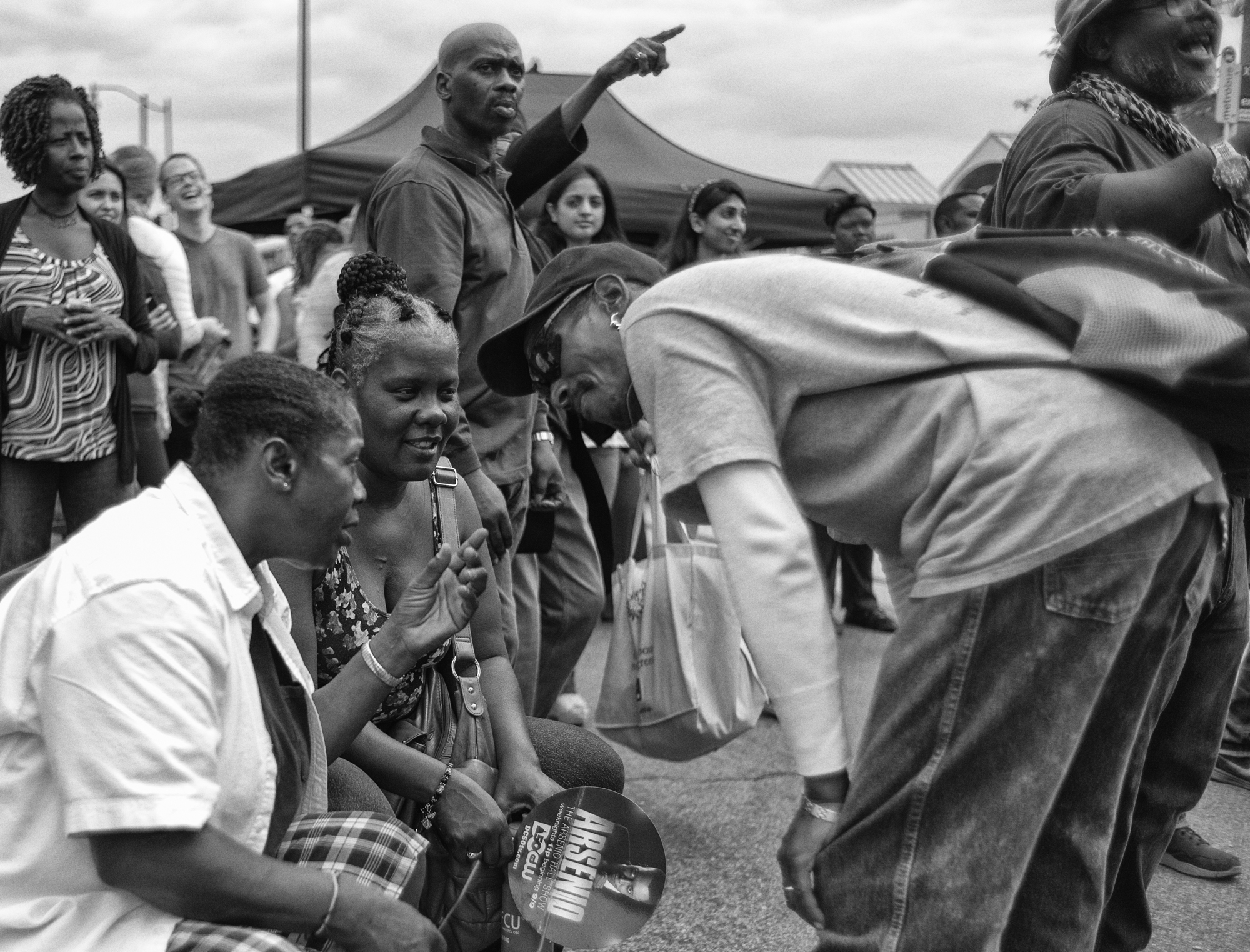
H Street Festival, Leica Monochrom, 35mm Summicron v. IV.
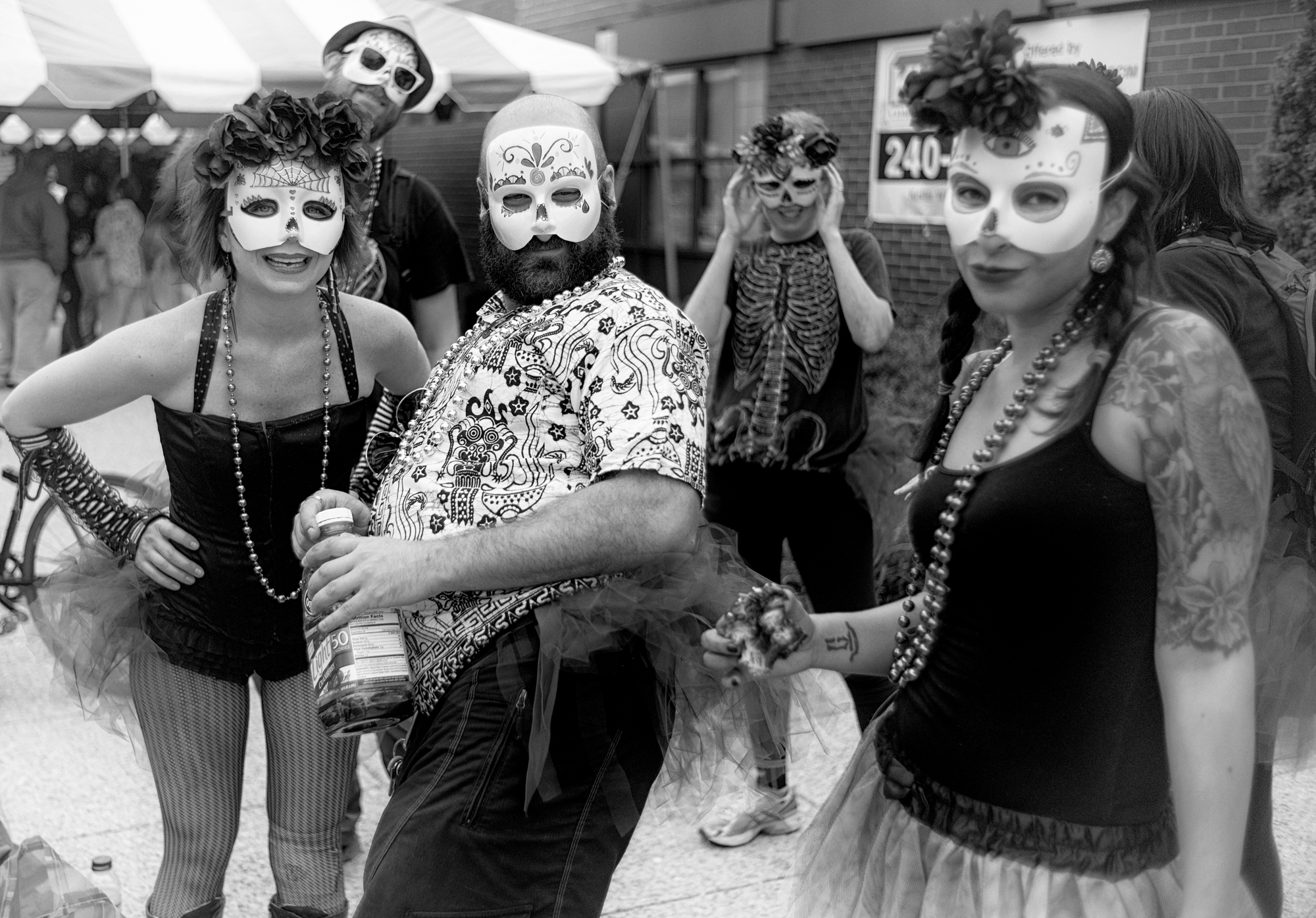

The first full day we had our Leica Monochrom — which arrived one year ago this past week — we took the above picture and amazed ourselves. Not that the photo was so good, but we marveled at the strange fact that, as a lover of deeply saturated color images, we likely never would have processed the picture in black and white; we would have kept it as a color image, and toyed with white balance and tones. If anything, we would have enhanced the color. And in so doing, we might never have discovered that this was an image that would look better as a black and white print.
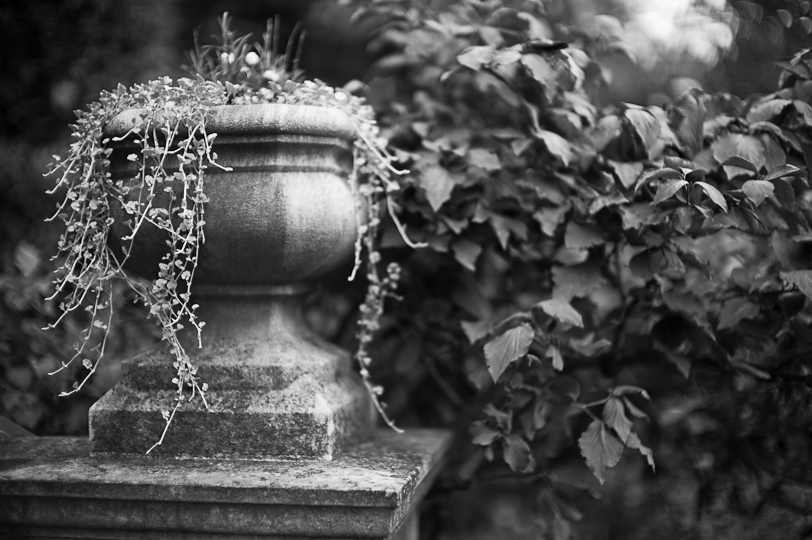
Over those next, early September weeks, it was as if we had discovered photography anew. It had been decades since we’d developed black and white images in a basement. We’d forgotten the joy of not simply capturing the world to see what things looked like as pictures, to paraphrase Gary Winogrand, but to see life transformed into something with more classical resonance. We went to familiar places and, because we were thinking in terms of luminance, not chroma — light, not color — we could see shapes and patterns that once would have been uninteresting to us, and which now, because we were shooting with a black and white sensor precisely as limited as black and white film, could be seen in literally a different light.
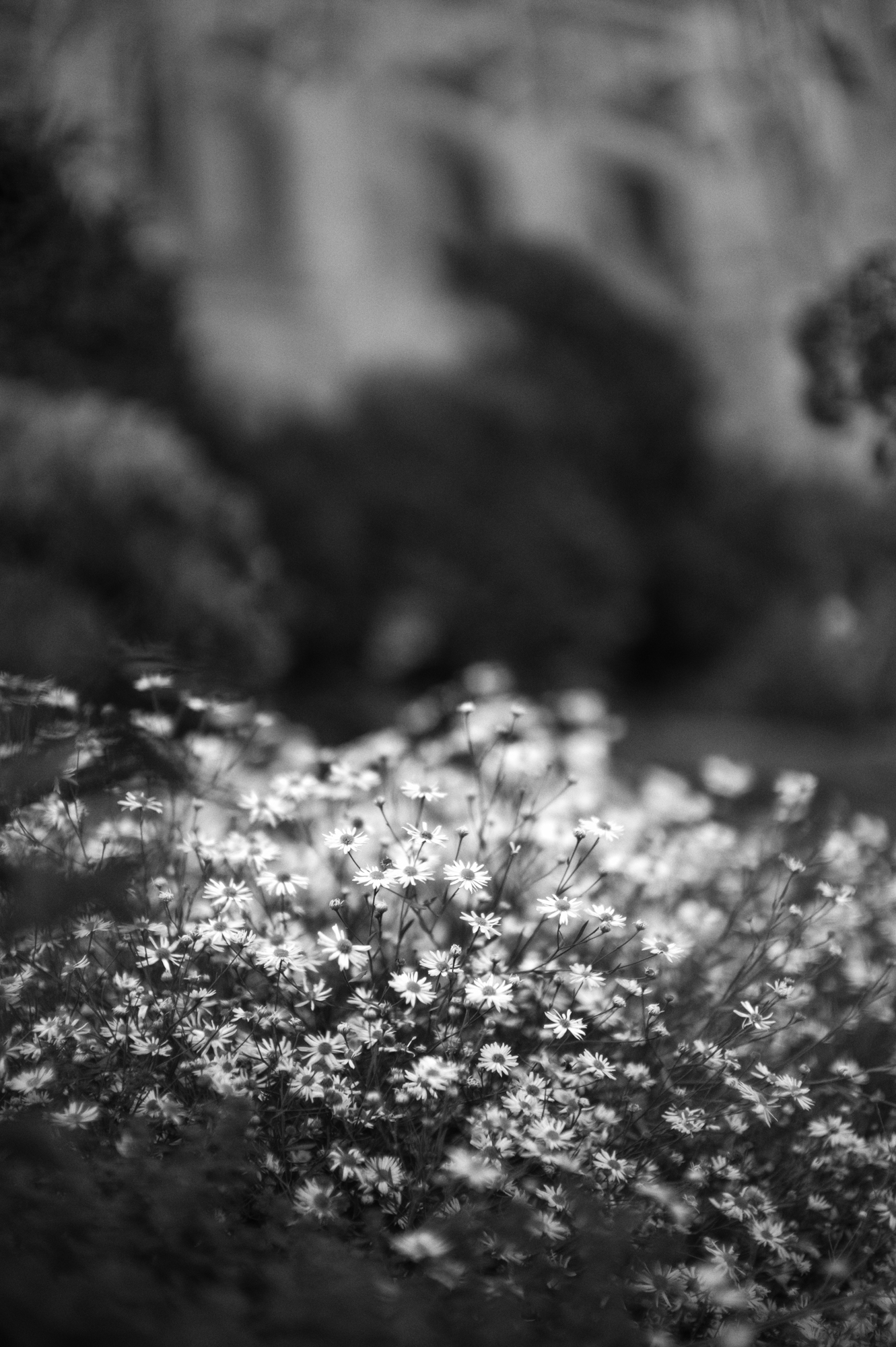
Those first few weeks with the Monochrom were magical, but the adventure continued throughout the late autumn and into the winter. We learned that, shooting with a mindset that was determinedly focused on light and composition, not seduced by the garishness of color, the city that surrounded us could be seen in new ways.
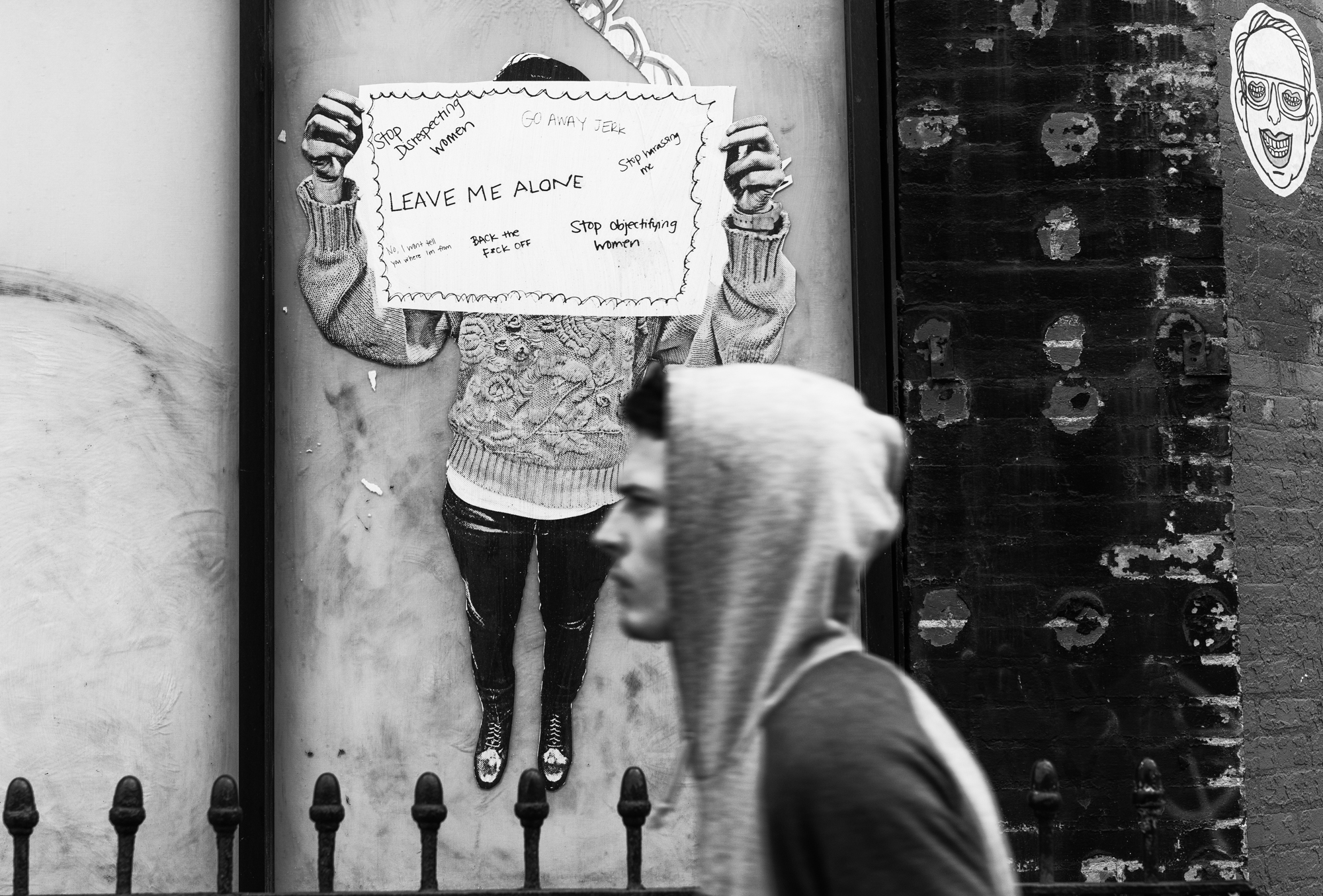
Portraits offered a completely different spectrum of possibilities. The Monochrom had the effect of not just transforming the world we saw into black and white, it transformed the way we considered the world. It transformed our approach to photography. It sent us back to photography books, to see how all the great black and white photographers understood the world they set out to capture. The history of photography became even more relevant.
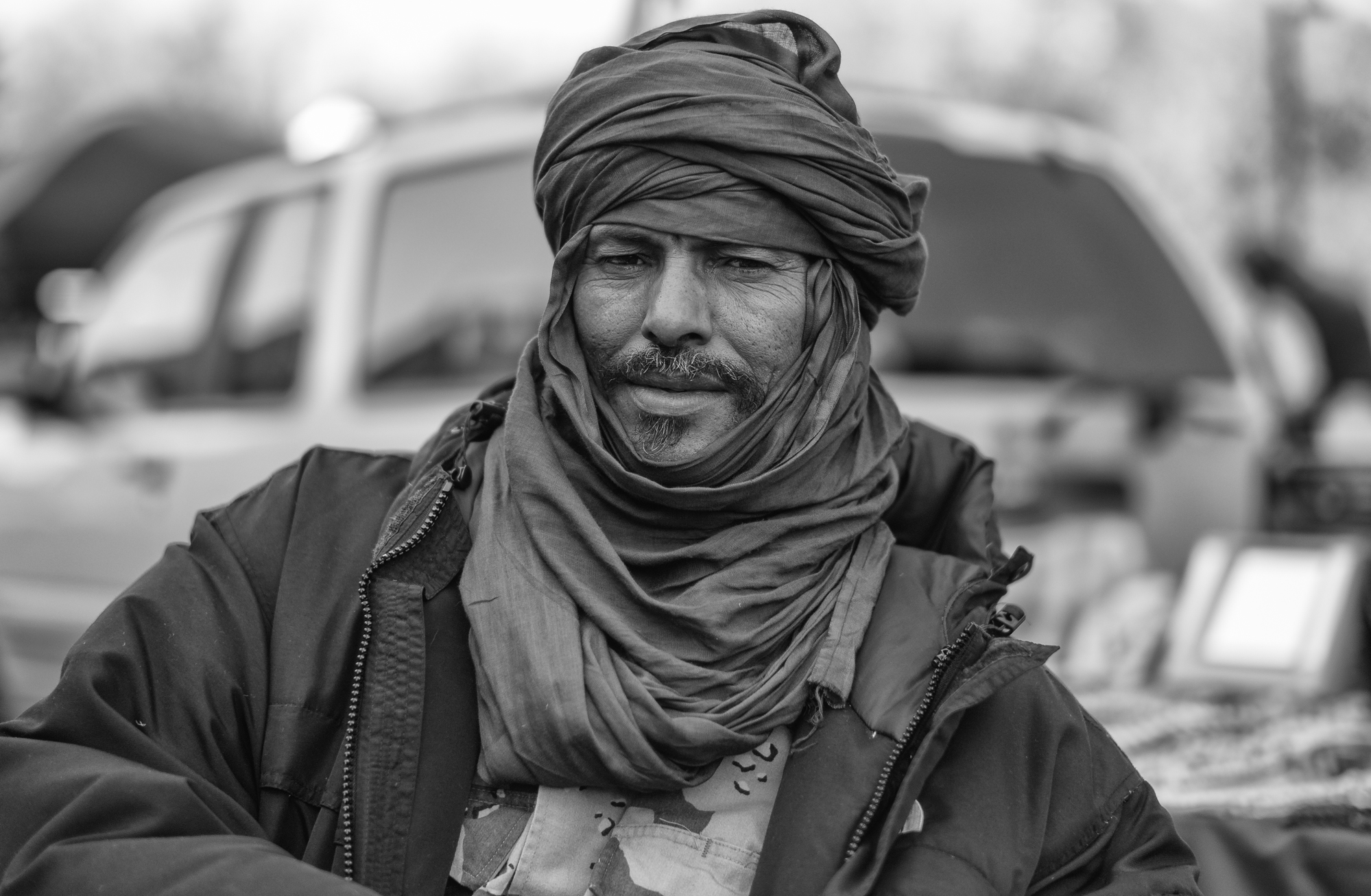
When out and about with our Monochrom, we were drawn to photograph very different people than we might ever before have asked if we could take their picture.

We went out into landscapes we were suddenly excited to try capturing in monochrome, exploiting possibilities inherent in the season. Once again, we saw familiar places and things anew. Yes, dedicated black and white photographers might scoff at this journey we were on. But, the point is, ever since we first took a picture with a Leica M7 and Fuji Velvia film, we’d been dedicated to color photography. This was something new. It made us excited by photography all over again.
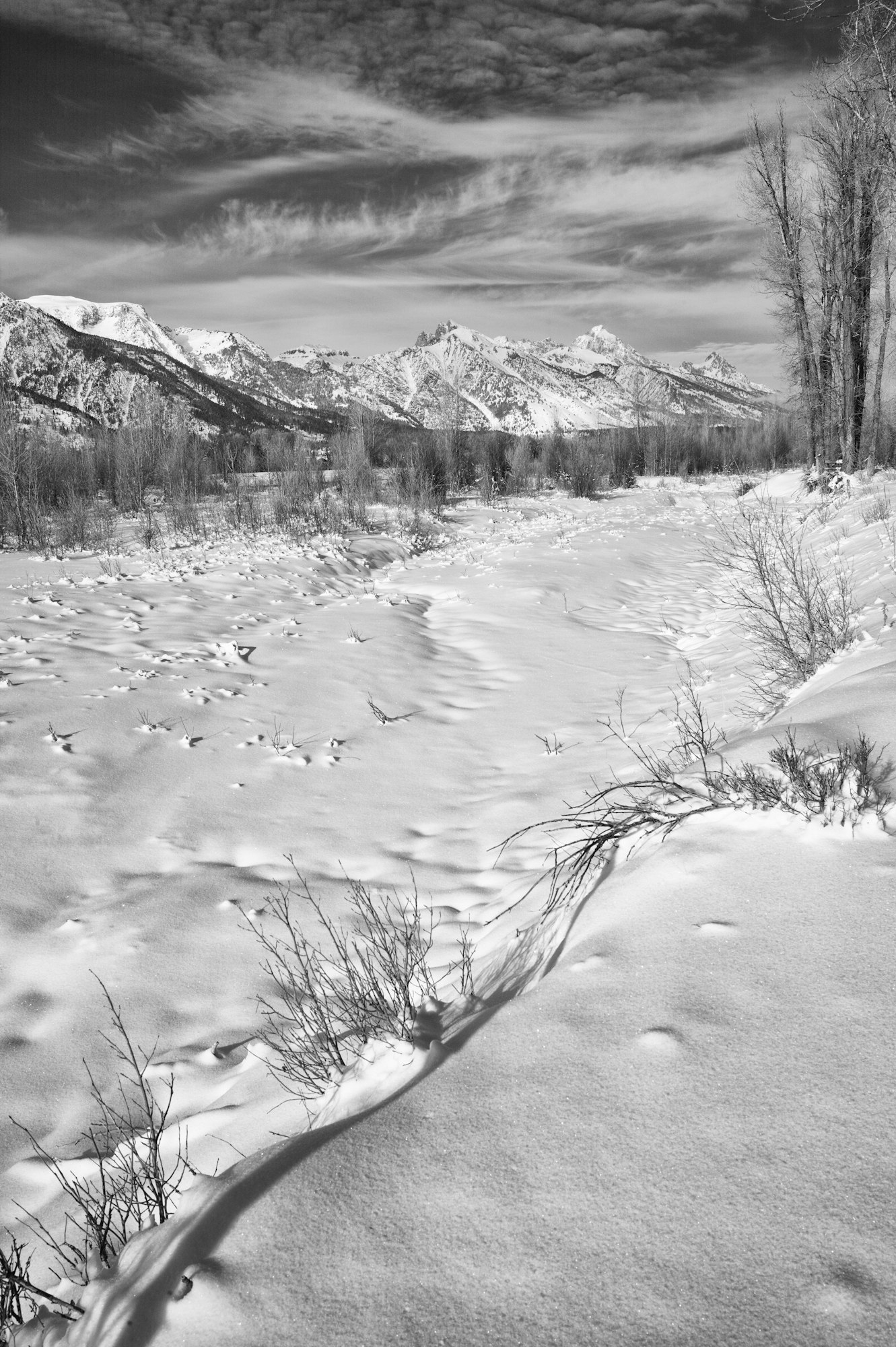
As we waited for spring to arrive, and the landscape to erupt in color, we weren’t stymied by flat light and a limited palette. Photography had become possible in any light and season. In fact, in some cases, flat light was preferable.
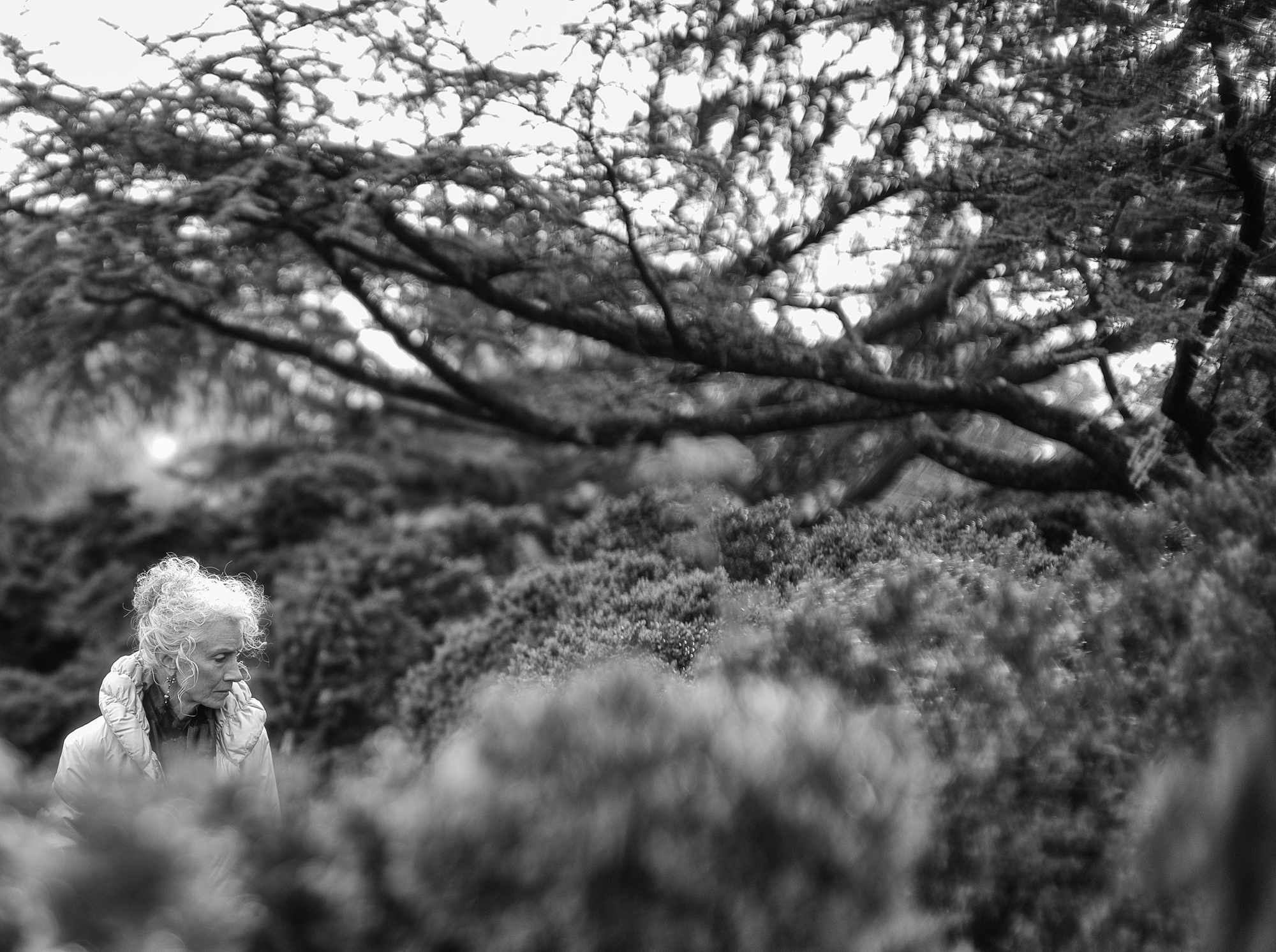
In March, we were fortunate enough to acquire a Leica M (typ 240), which was a step up from our beloved M9. But even as we went on vacation in the Yucatan, and and drank deeply from the rich colors available in that tropical light, we knew for certain which images would be better off taken with the Monochrom. We retained that sensibility that black and white photography was a superior approach, sometimes.
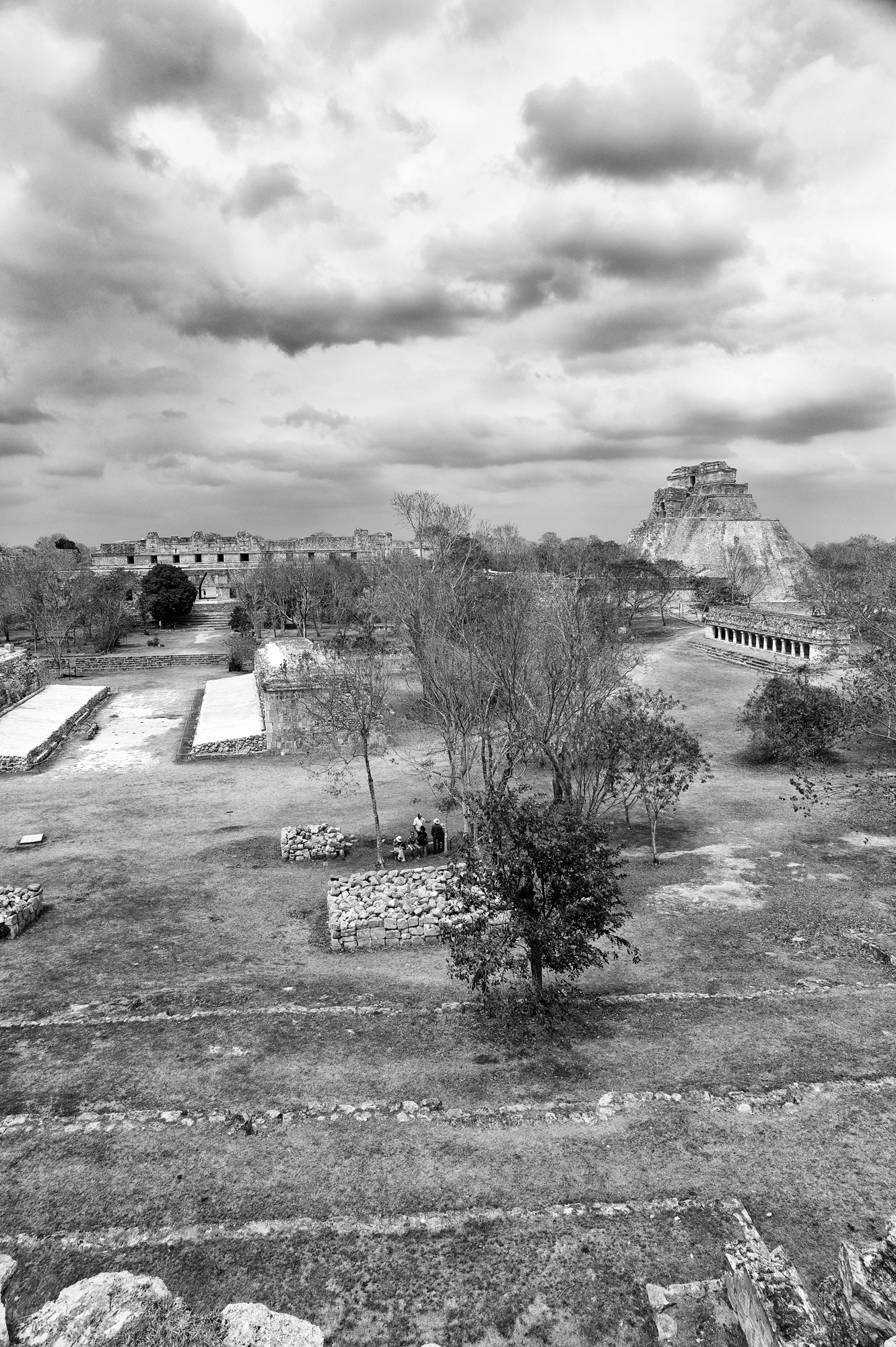
As summer arrived, we went out with a different expectation of what we could record with our camera(s). There were days when we deliberately set out to find images that lent themselves to a kind of classical photography that just a year earlier, we wouldn’t have considered. Or would have taken in color and not have had the sensibility to exploit in the more dramatic medium of black and white photography.
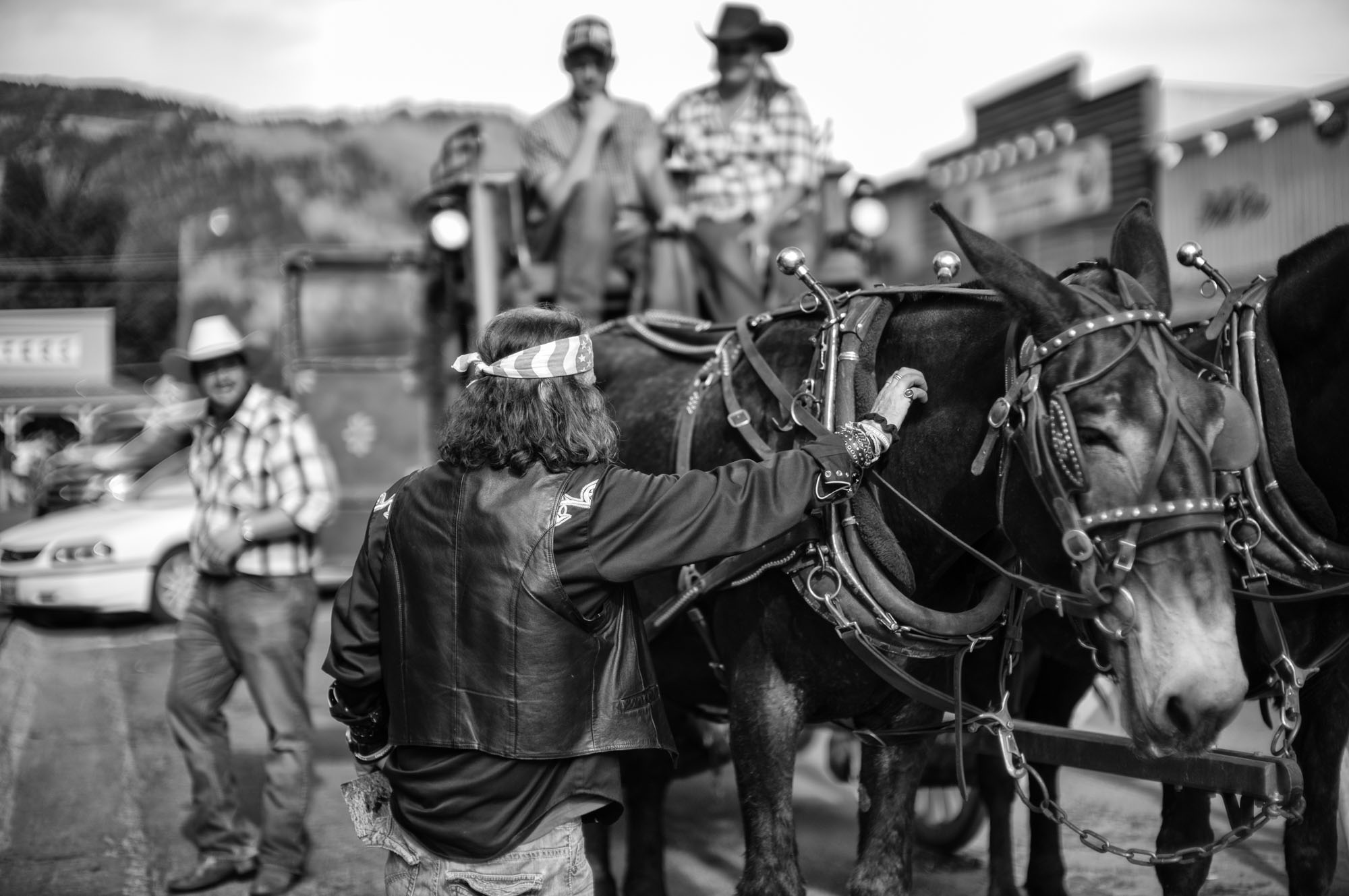
Our time out West this past summer was spent in a possibly schizoid contrast between taking photos of the natural environment with as much appreciation for the color palette as possible and then deliberately desaturating what we saw in our mind’s eye so as to capture timeless images in black and white.
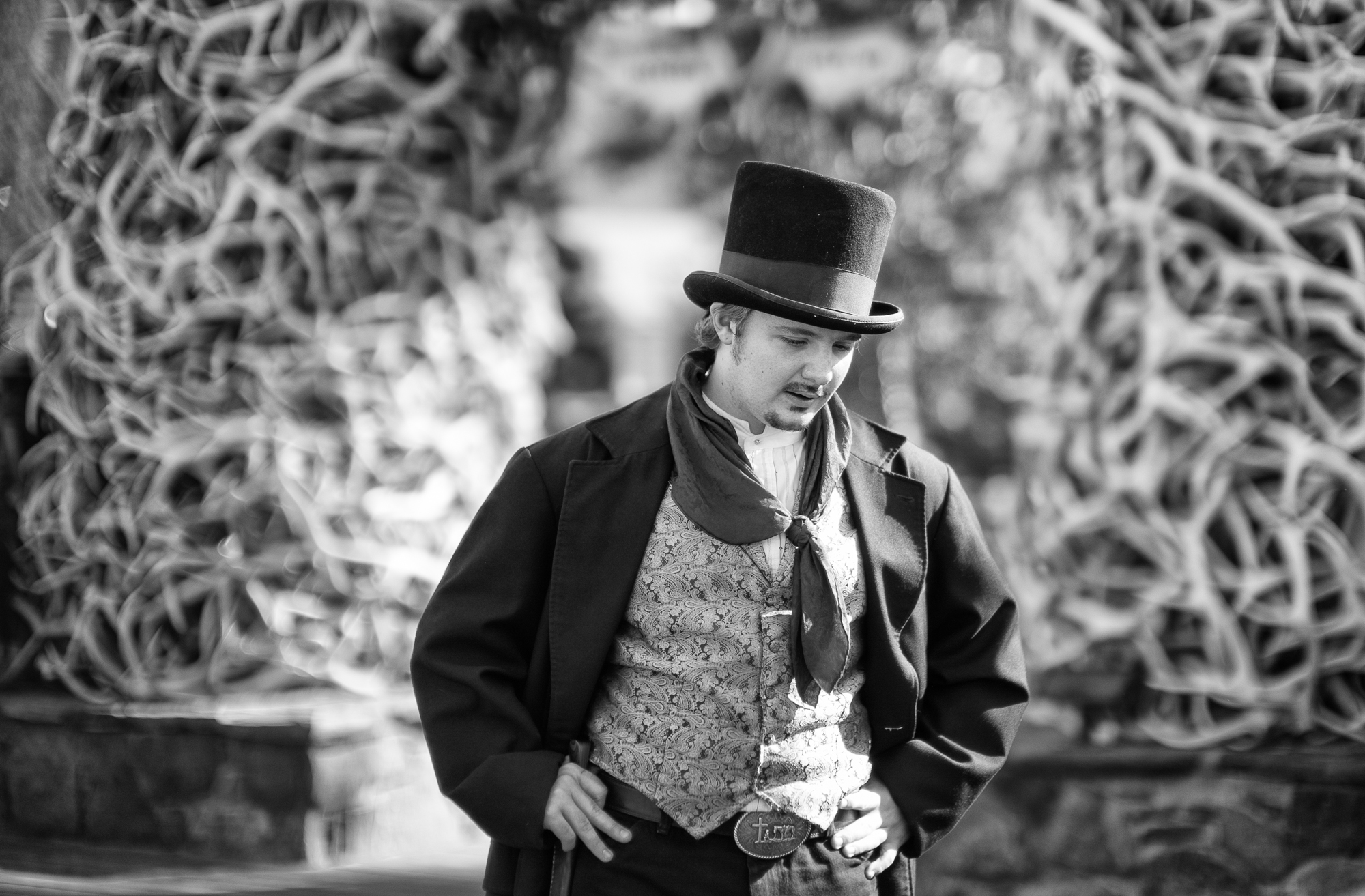
As the full year with the Monochrom came to a close, and an event like the 50th Anniversary of the March on Washington arrived, we went out in the streets with our Monochrom, because now it simply appealed to us to capture such an event in black and white.
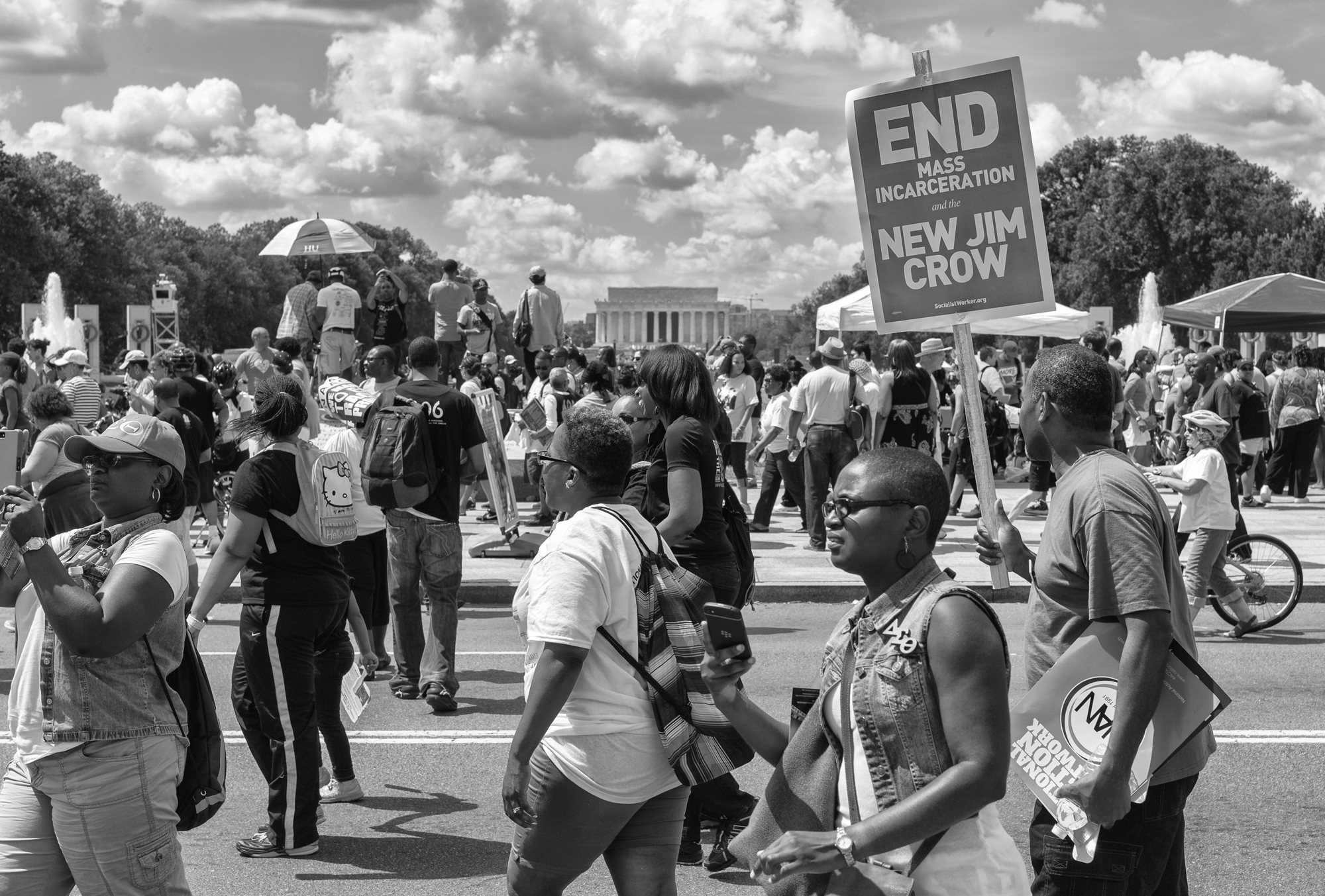
A camera is a tool. But one year with the Leica Monochrom not only enabled us to view images in a wholly new way. It opened our eyes. It is more than a tool. It is magical.
Follow John Buckley on Twitter: @Johnbuckley100.
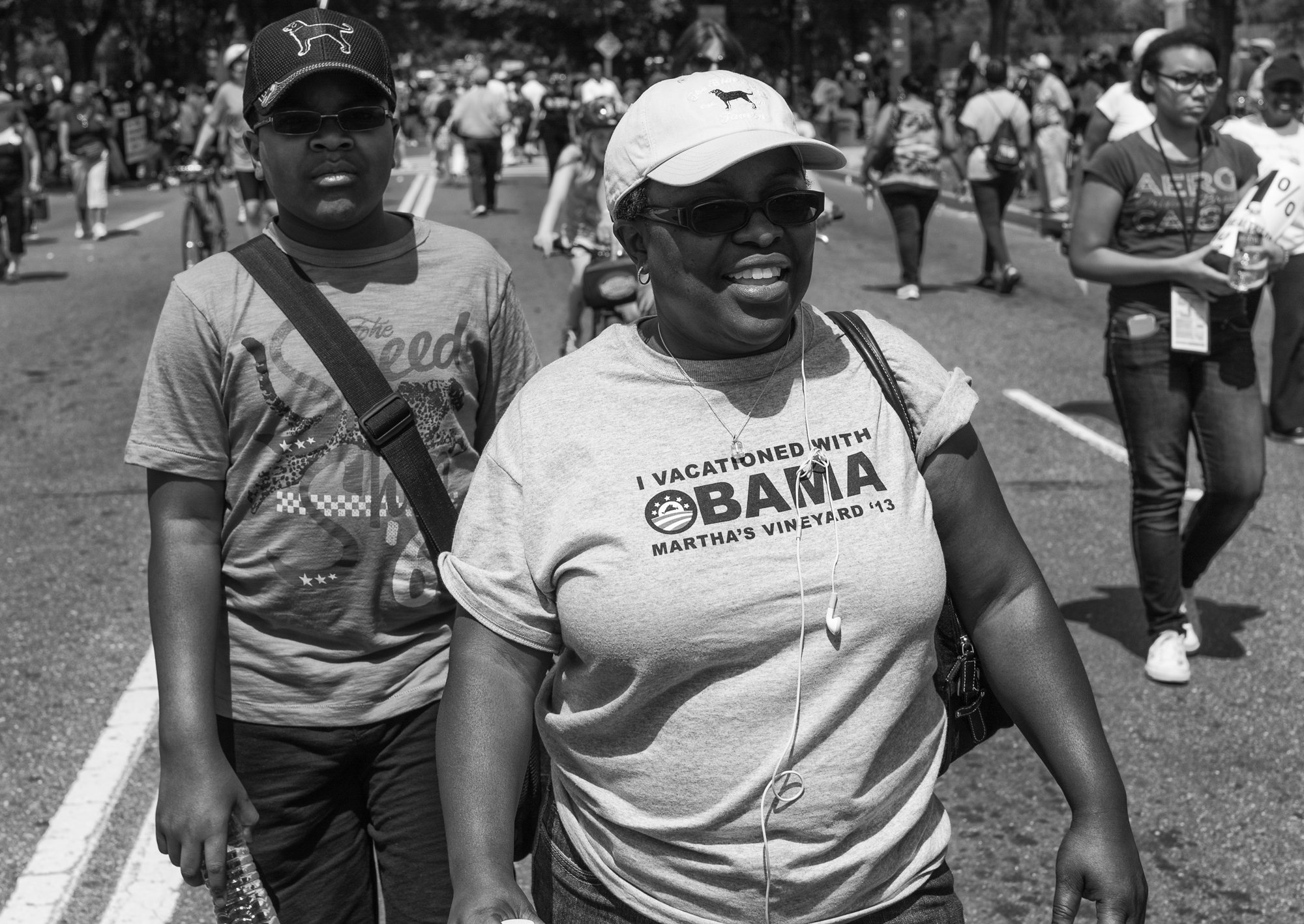
Despite this nice woman’s sunny disposition, it was a little overshadowed by a larger cause. Leica Monochrom, 50mm APO-Summilux-Asph, orange filter.
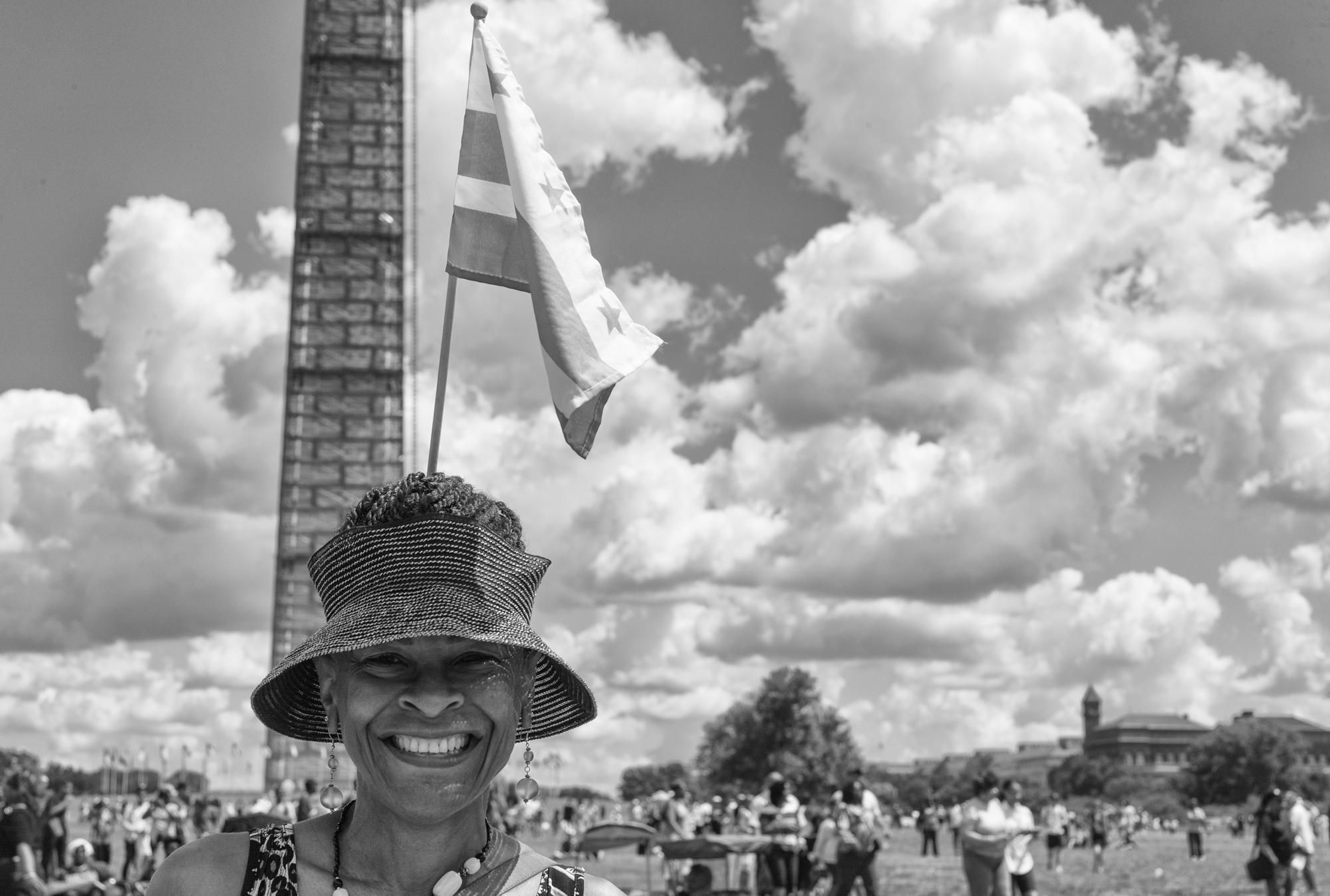
All photographs Leica Monochrom and 50mm APO-Summicron-Asph.
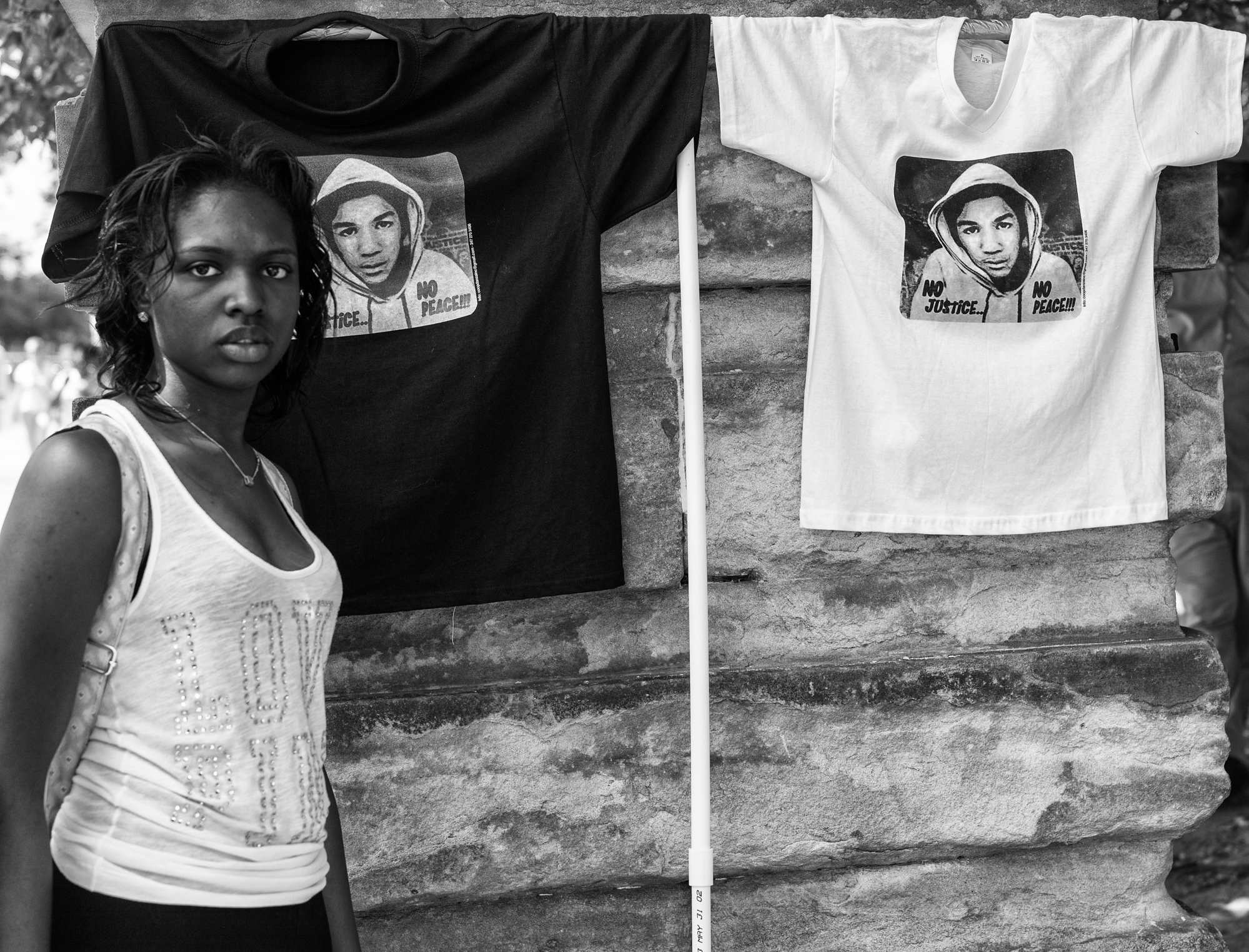
To herald its coverage of yesterday’s 50th Anniversary Of The March On Washington, The Washington Post uses one of the most beautiful sentences ever written by Rev. Martin Luther King, Jr.: “The arc of moral history is long, but it bends toward justice.” Along with the ever-present images of Trayvon Martin, it was a reminder of the seriousness of the occasion.
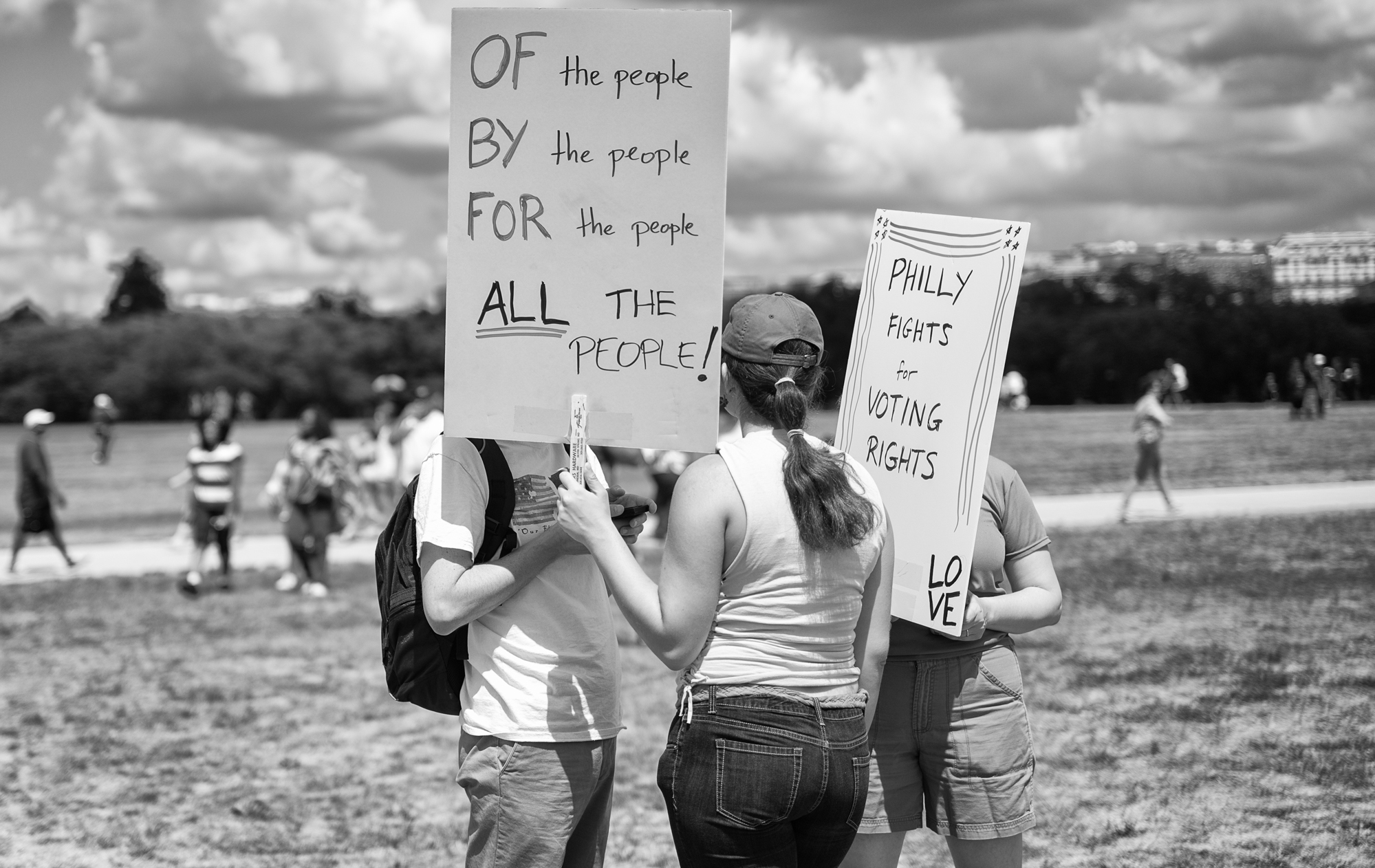
But yesterday’s march was as much filled with joy as protest. And there were reminders of how far as a nation we have come in 50 years.
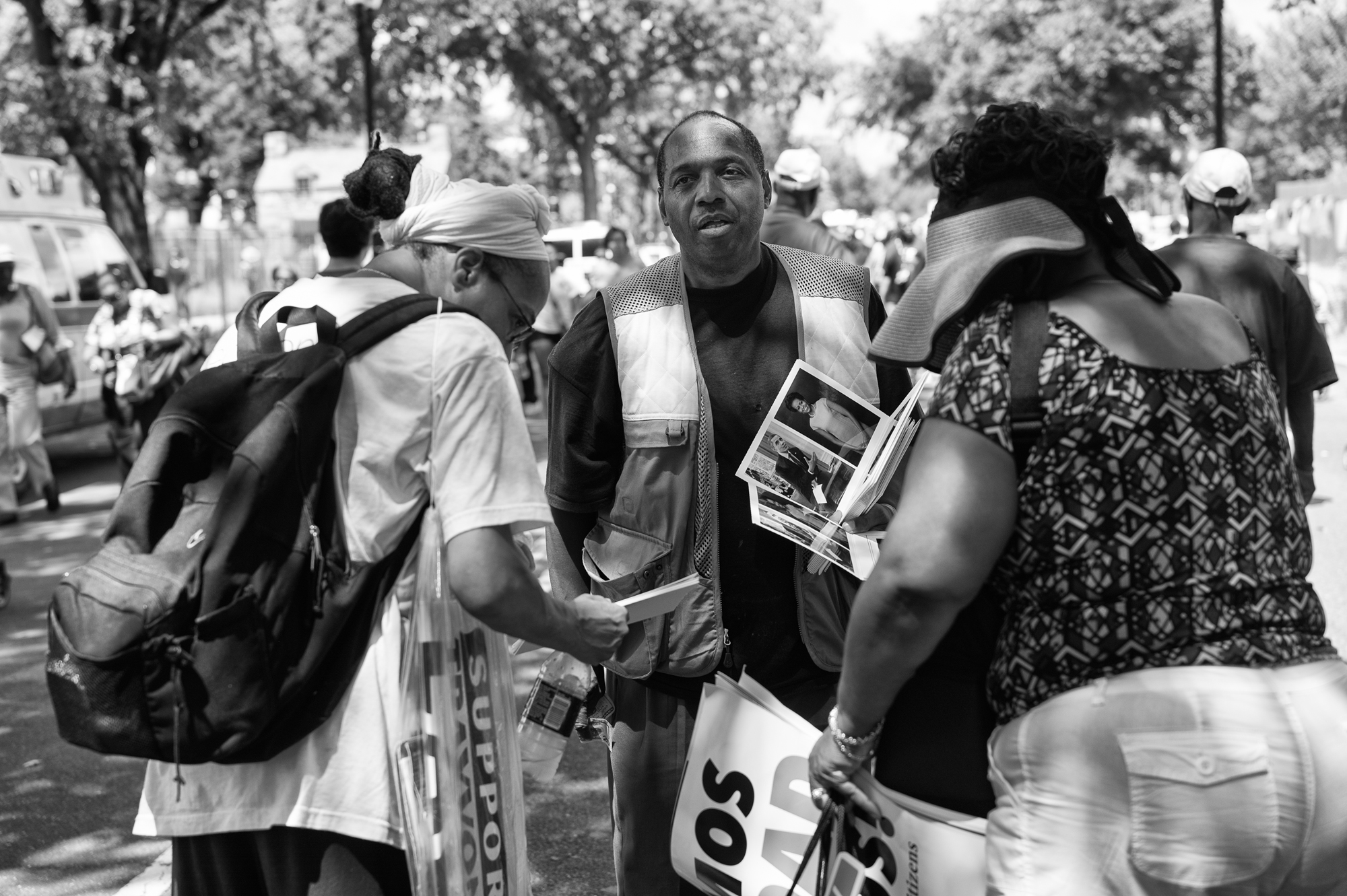
Even as folks hawked photos of icons to the large, friendly crowd.
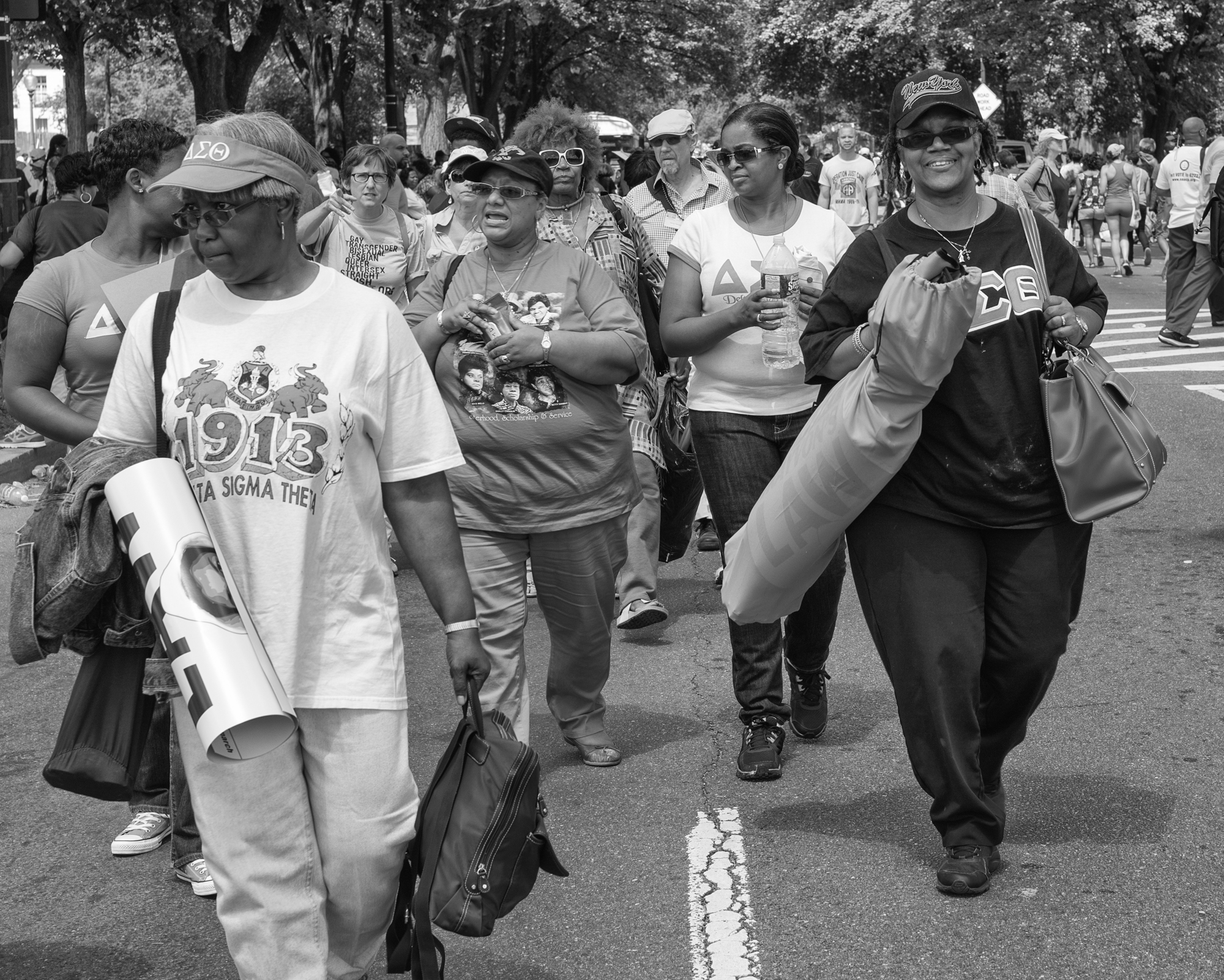
For many members of the largely African-American crowd, it was like a family reunion. It was a really lovely day.
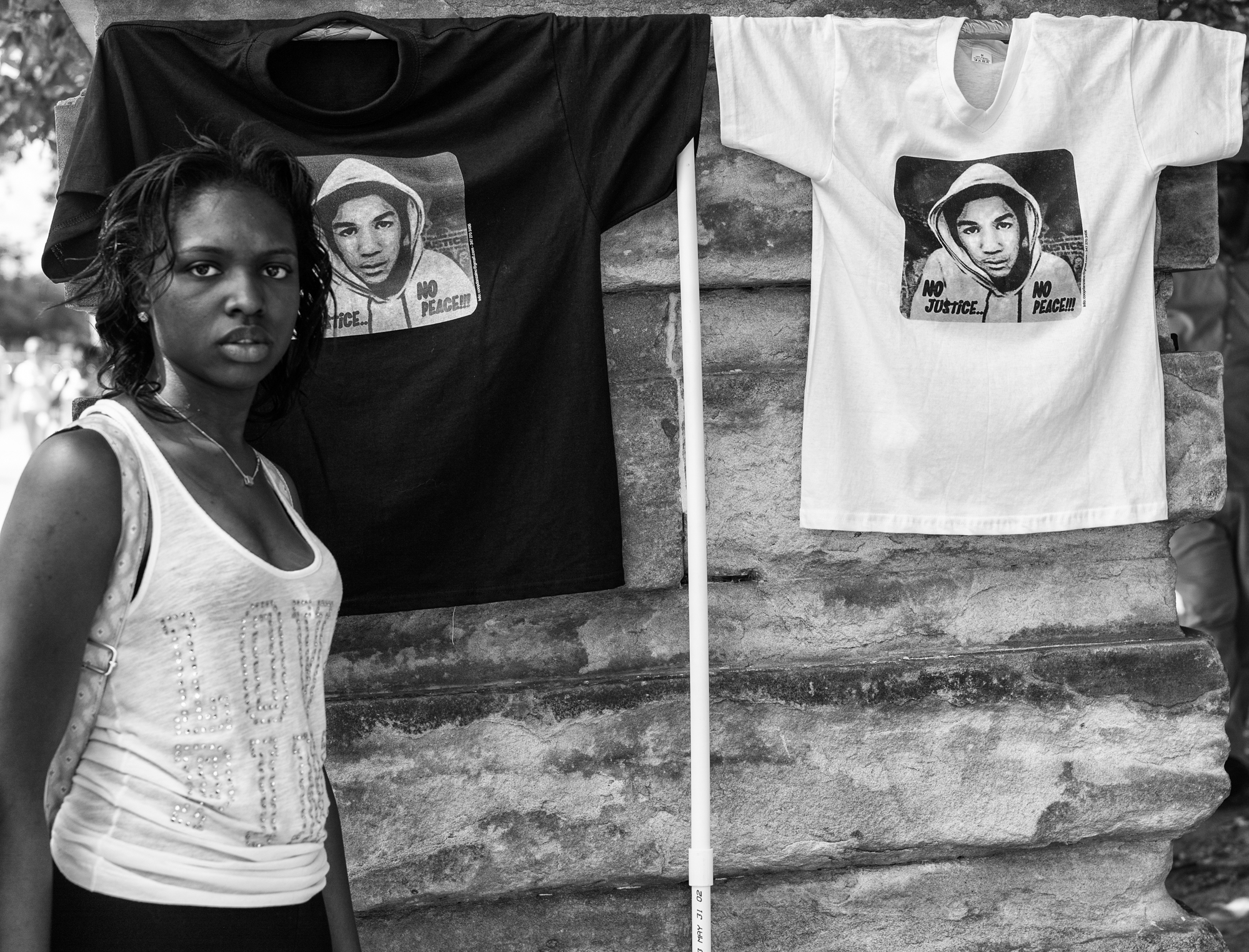
We expected the tee shirts and placards commemorating Rev. Martin Luther King and his speech delivered 50 years ago this week. But if there was anyone whose death hung over what otherwise was a gorgeous, happy summer day in the Nation’s Capital, it was Trayvon Martin.
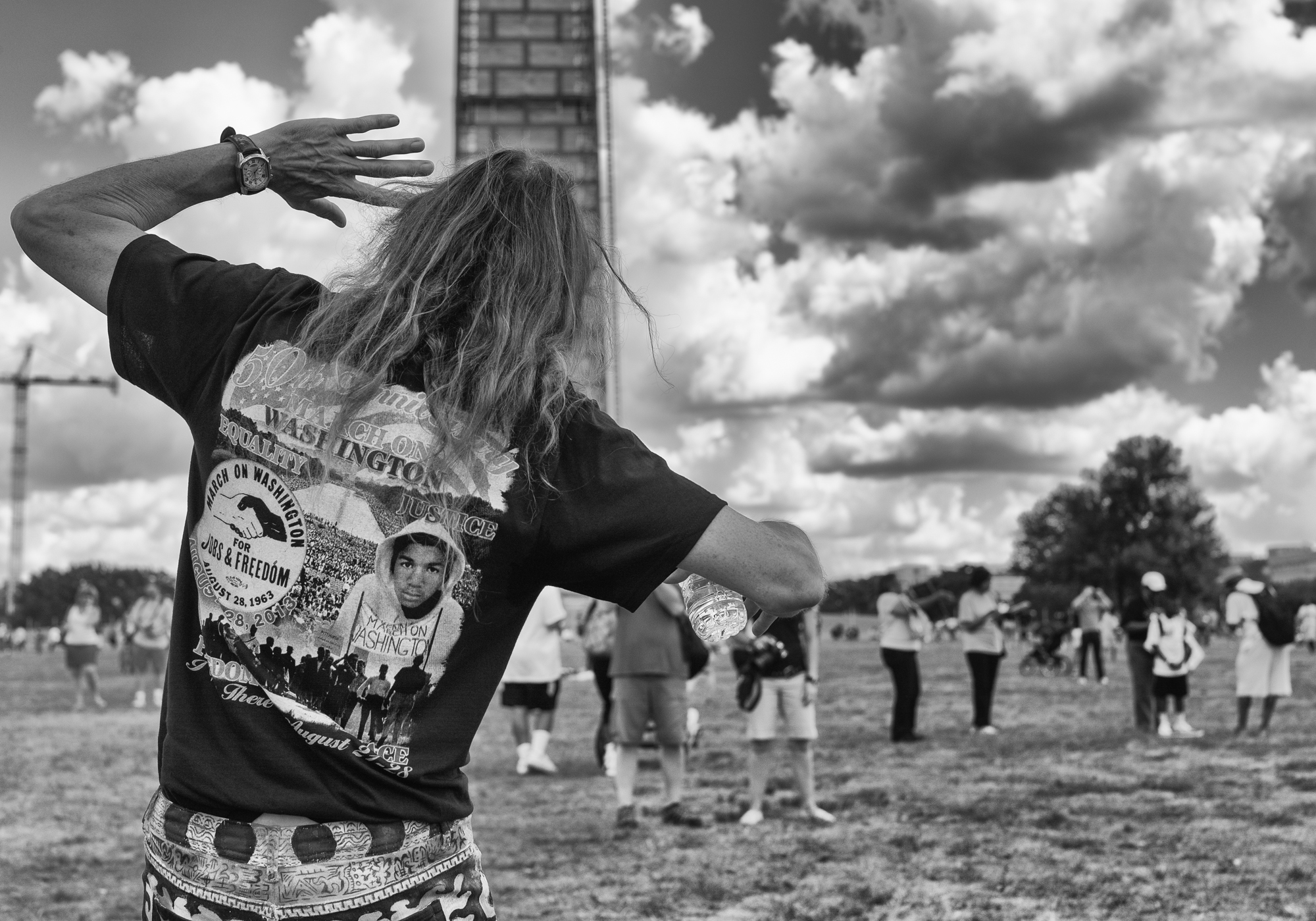
More images posted tomorrow. Both images Leica Monochrom, 50mm APO-Summicron-Asph, orange filter.
Jenny Lake, Grand Teton National Park. Leica Monochrom and 35mm Summilux FLE. Hand held, an hour after sunset. Yes, the Blue Hour, as it is called. But still — never realized that a monochrome shot — not simply a Leica Monochrom shot — had this potential after the sun has set. Does make you wonder if some of those great Yosemite images by Ansel Adams (proper genuflection required) may have been shot at night… Wish we had the Lightroom skills to get rid of those trees in the way…

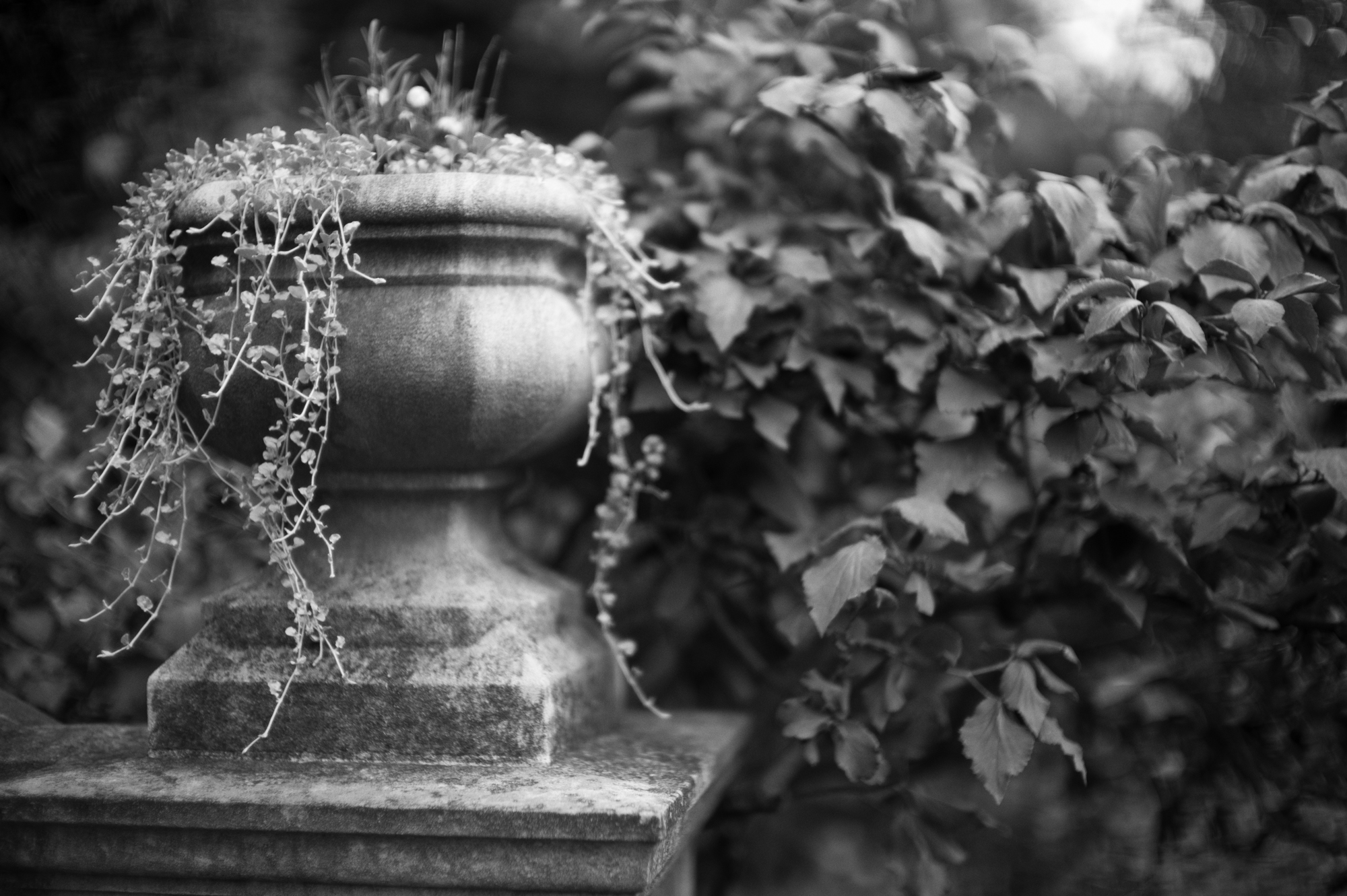
Leica Monochrom, 50mm Noctilux.
We read in the morning’s paper that the Bishop’s Garden at the National Cathedral apparently received a second insult, from which it is recovering. It’s not enough that a rare earthquake, which two summers ago did so much damage to D.C. that the Washington Monument is today shrouded in what looks like a modernist condom — a spectacularly designed modernist condom, to be sure — but that earthquake also toppled spires on the National Cathedral, which led to unsightly cranes and scaffolding. As it turns out, however, one of those cranes fell and damaged Washington’s essential urban garden, an area of respite from the busy city, a peaceful and beautiful space.
We take notice of this because we have made The Bishop’s Garden an area of photographic study, and intend on continuing to do so in the months ahead. If you are interested in how beautiful a space it is, click the previous link, or stay tuned. In any event, we are relieved to know it is on the mend.
 Tulip Frenzy