Leica M (typ-240), 35mm Summilux Asph FLE.

Leica M (typ-240), 35mm Summilux Asph FLE.

Leica M, 50mm Noctilux, ND Filter
When the Leica M arrived at the beginning of March, we used it exclusively in its classic rangefinder mode, and immediately found it to be a step up from the Leica M9 we had used, and loved, since September 2009. With 24 megapixels, not the M9’s 18, it had larger files to work with, and with a CMOS sensor, not the M9’s CCD, it had greater high ISO performance. Almost immediately after posting some initial images, several commentators expressed confirmation of their worst fears about the color rendering of the new sensor, but we found those fears overblown, for two reasons. First, because as the critique of some images, mistakenly posted by Leica as coming from the new M but actually from the M9, set off caterwauling from M9 aficionados, it was apparent that Leica loyalists were projecting their fears about color performance onto the images they saw. Second, because in my own case, I like color-saturated images, and I knew that aspects of the color performance of an image such as the one above came from my having chosen to process the picture not simply in Lightroom, but also in various of the Nik Software products, such as Color Efex Pro, where I could choose a look to my preference.

Leica M, 50mm APO-Summicron-Asph
We quickly found that when used as a rangefinder, the focusing performance, speed, and reliability made the Leica M something of a dream come true. Over the past five months there have, in fact, been some glitches in using it, and yes, it did get recalled to Germany, which door-to-door-to-door meant it was out of our hands for about a month, but all in this M seems closer in its steadfast reliability to our old Leica M film cameras than to the Italian-sportscar finickyness of the previous digital rangefinders, 2006’s M8 and 2009’s M9. The rangefinder focusing mechanism itself seems to have achieved a degree of perfection, which is a big deal if you are relegated to using, by design, manual focus, not the comforts of modern autofocus that virtually every other camera system has made available for, oh, the past 20 years.

Leica M, 50mm APO-Summicron-Asph
From the start, we found the new M to be fast, and we loved having large files to play with. As Thorsten Overgaard has pointed out, because of the size of the files, you need to ante up for the fastest SD cards, but given how inexpensive these now have become, it’s worth it.

Leica M, 50mm APO-Summicron-Asph
The brouhaha about color resolution which erupted on the Leica User Forum and around other online watering holes seemed to us fairly ridiculous, and we began to tune out of posts with 800 responses, mostly from people who had not actually used the exceptionally hard-to-find M. We were extremely fortunate to have gotten our hands on one early, and immediately found that latitude for post-processing tweaks enable any user to get the look he or she wants. You can dial color up or down; it’s up to the user. One thing seemed clear from the outset, though: just as the Leica Monochrom files seemed flat when fresh from the camera, the significant latitude that camera and the new M allowed in post-proccessing was remarkable, and in part because of the dynamic range of the M, in part because of much better high ISO performance, in part because of the size of the files, images from the M can be transformed into pretty much whatever the user wants. If you don’t like the look, blame the photographer, not the camera.

Leica M, 50mm Summilux
It was clear that the high ISO performance of the M enabled a photographer, for the first time, to go out at night with a digital Leica without fear of noise rendering images unusable. This is a really big deal, and instantly rendered moot so much of the criticism, from within and outside of Leica circles, of Leica’s digital rangefinders. People use Leica cameras for a number of reasons, but basically it comes down to these: First, amazing fast lenses. Second, the simplicity — and purity — of a classic rangefinder system. Third, the unobtrusiveness of the camera, which renders performance as great as, in many instances, the big DSLRs that “serious photographers” lug around, much to the delight of their chiropractors. But the M8 and M9 were clearly substandard when it came to high ISO performance, and even with fast lenses, there were limitations in what one could do at night. No more. The M is a fully realized camera at night.

Leica M, 35mm Summilux FLE
We’ve had commentators question whether the photo above was an HDR image. In fact, rather than having been taken on a tripod, it was shot at ISO 640, f/4, 1/45th of a second. In other words, in the mode of a classic Leica M. From the time we visualized the image, raised the camera to our eye, and took the picture was, oh, two seconds. This one was processed in LR5, and is quite true to the color and light available at that moment.

Leica M, 35mm Summilux FLE
The image above was sent from LR5 over to Nik Viveza only because it gave us a greater ability to dial down the brightness of some of the direct lighting that otherwise unbalanced the image. So to us, if one of Leica’s goals with the M was to render it as capable at night as the M9 was during the day, our belief is mission accomplished.

Leica M, Vario-Elmar-R 80-200
But there was another reason we were excited about the M when it was announced last September, and it was the prospect of using it not as a rangefinder, but as a DSLR, both with an electronic viewfinder, and with an adaptor enabling us to use telephoto lenses, including those from Leica’s discontinued R system. Pretty early on, months before getting an M, we acquired a fairly inexpensive R lens — the Vario-Elmar-R 80-200, f/4 zoom. Using it out West recently, we have been delighted by the possibilities now open to us. It is quite easy to simply put the EVF on, affix the adaptor and long lens, and use it as Canon and Nikon users have for years been able to use their DSLRs. It’s a bit of a kluge, but the performance is, to our eye, pretty great. We are no longer second-class photographic citizens when it comes to wildlife or landscape photography where a long lens is necessary.

Leica M, Vario-Elmar-R 80-200
In part because Leica still — five months after the release of the M — has not made available such accessories as a hand grip (which would make handling long lenses more practical) and their own R-lens adaptor, we’ve not yet plunged into the world of telephotos longer than 200mm, but we could if we wished. Which opens up possibilities that have not been open to us since we made the switch, more than a decade ago, from Nikons to Leicas. We made that switch because we wanted a simple, pure system based on enhancing one’s skill, not the latest available technology. We haven’t regretted the switch we made, but there have been moments when we’ve missed what a more flexible DSLR system provides. Now, with the M, we have a multipurpose tool that gives us pretty much everything we’ve hoped for.

Leica M, Vario-Elmar-R 80-200
Now we too can flock to the riverside to capture that moose that previously we wouldn’t have had a prayer of getting, save for as a speck on a larger image that, yes, we could seriously crop, but in the process kind of lose the plot.
It has been been five months since we first picked up a Leica M (Typ-240). The camera has critics, but it has even more people anxiously awaiting that call from their dealer telling them one has arrived with their name on it. As a longtime (11 years) Leica user, we can state that certain quibbles notwithstanding, the Leica M is the finest camera we’ve ever had the privilege of using. It has fulfilled our fondest hopes. It is a fully actualized, multidimensional and multipurpose tool. It is a winner.
You can follow Tulip Frenzy on Twitter @johnbuckley100. Follow here.
For observations on the Leica M after a single month go here.
Leica M, 35mm Summilux, processed in LR5 and Nik Viveza (to lower the bright lights in a few places.) And thus concludes our coverage of the 2013 Teton County Fair.

But here’s image Number 1 after the application of the Healing/Cloning tool in LR5. Maybe a little clumsily applied, but it does fix the problem with the Porta-potties.
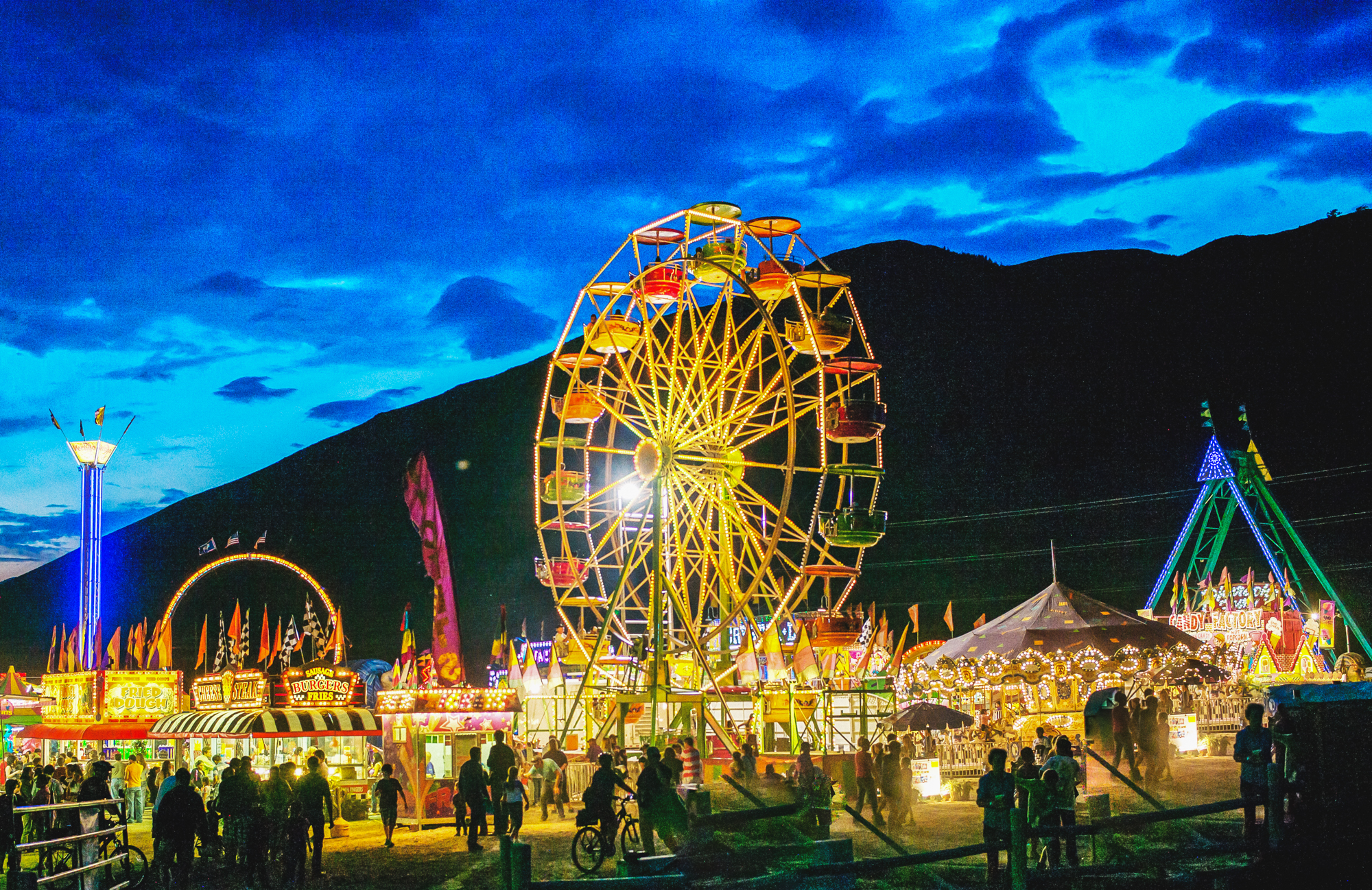
Three pictures of essentially the same image, taken at different times, but with the same camera and lens (Leica M, 35mm Summilux). The first is, to our eye, by far the best, but flawed by the fact that in the lower right hand corner, you can see Porta-potties and a dumpster. Still, we love those clouds, the colors as processed in LR5 and Nik Color Efex Pro 4.
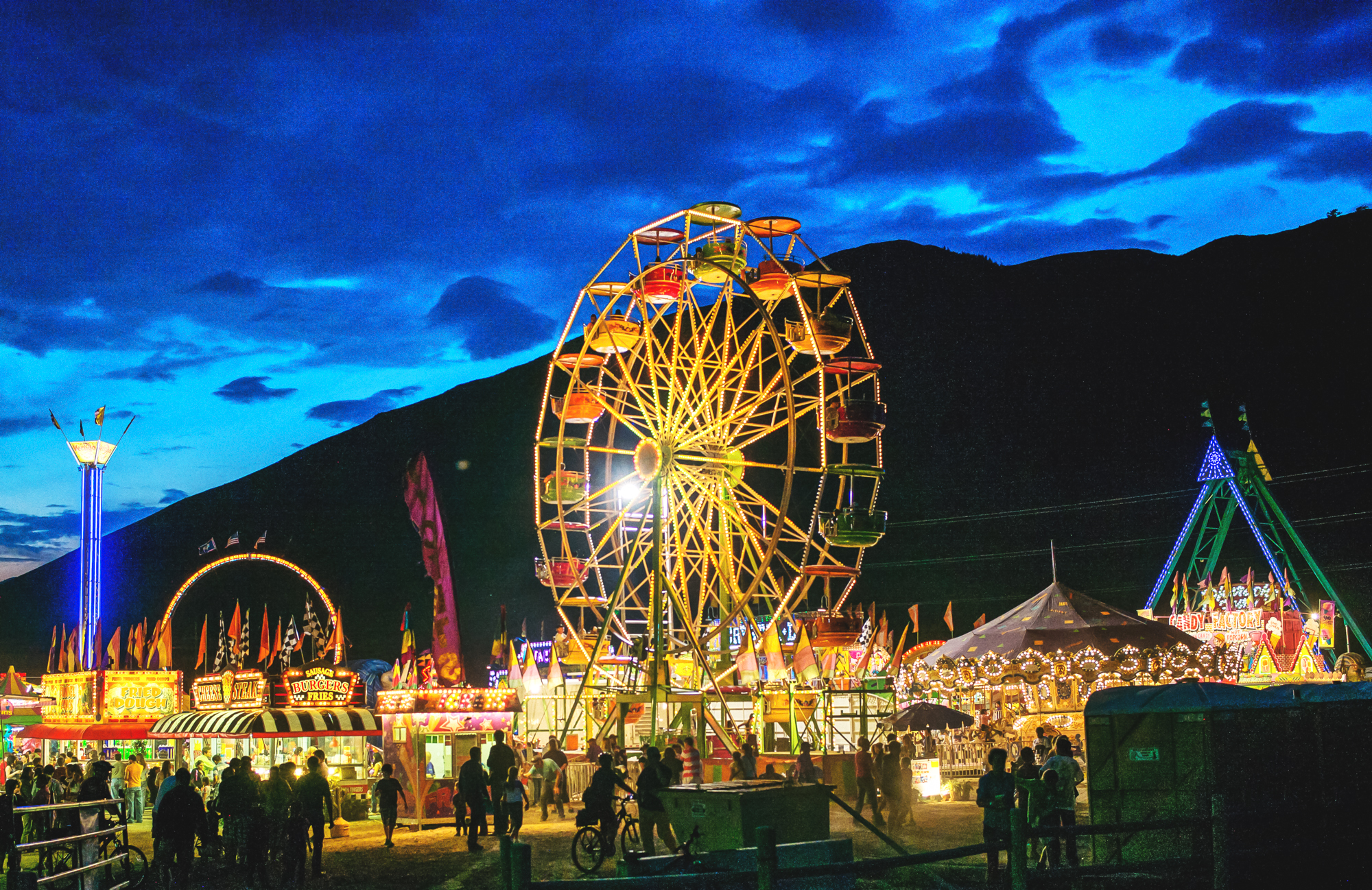
Here we try to get the same shot, but without the flaws. Alas, the sky was not nearly as dynamic. Processed in LR5 and Nik Viveza (mostly to reduce brightness.)

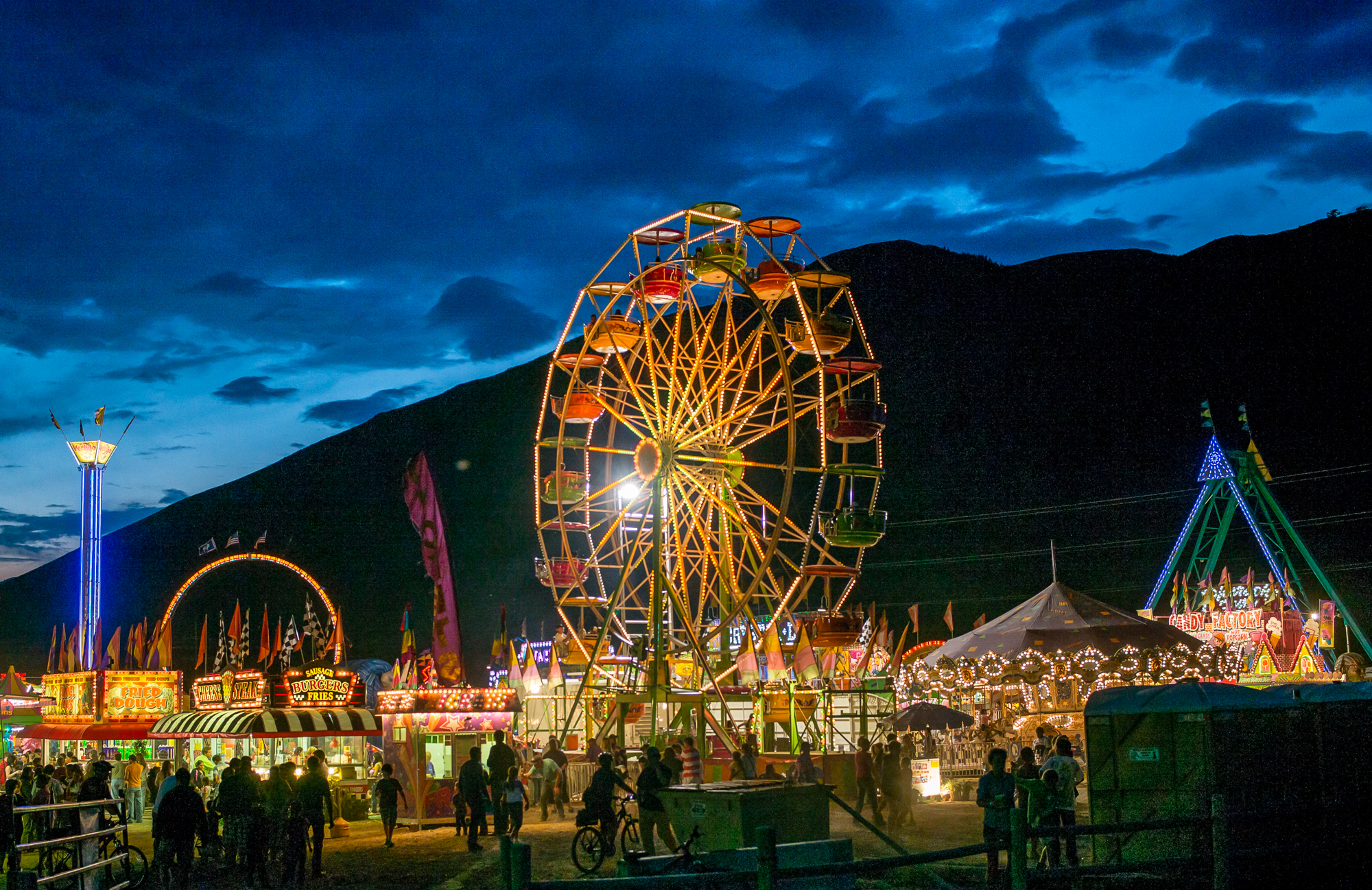
Finally, we have this one. Same evening as the one above, hence no clouds. But at least the dumpster and bathrooms aren’t visible. Processed as above.

Hard to say which is best, except clearly the clouds make the first one pop. But I also like the third one. And, uh, the second… And click on any of the three to see a series of vignettes taking place among the people who — even standing precariously and shooting handheld at, like, 1/12th of a second — you can clearly see enjoying themselves in the fairground crowd.
Teton County Fair. Leica M, 35mm Summilux, ISO 640.
Real hot. Leica M (typ-240), 35mm Summilux FLE.

In the span of less than a year, the Leica Store in Washington, D.C. has become a remarkable gallery space and photography hub. Some weeks ago, they announced a juried competition entitled “D.C. As I See It,” open to photographers from D.C., Maryland, and Virginia, but limited to photographs of the “real D.C.,” taken with Leica equipment. You might imagine this perked our interest. Let’s see, live in D.C. Check. Take pictures with Leica equipment. Check. Take pictures of what we consider the real D.C. Ok, we said, and we submitted five images.
The three jurors are all eminent Washington photographers, printers, and gallerists, and the two-phase process consists of a review of images submitted digitally, and after a cull, a review of the finalists’ prints. We are pleased to say two of our images made it into the finals, which means sometime today they either will or will not be chosen for display on the Leica Store’s walls.
We have one color image in contention, taken with a Leica M9 and 35mm Summilux last September, when we were wandering the city with the great Danish photographer and workshop leader Thorsten Overgaard.

A second image was taken with the Leica Monochrom and 50mm APO-Summicron-Asph near Logan Circle just a few weeks ago.
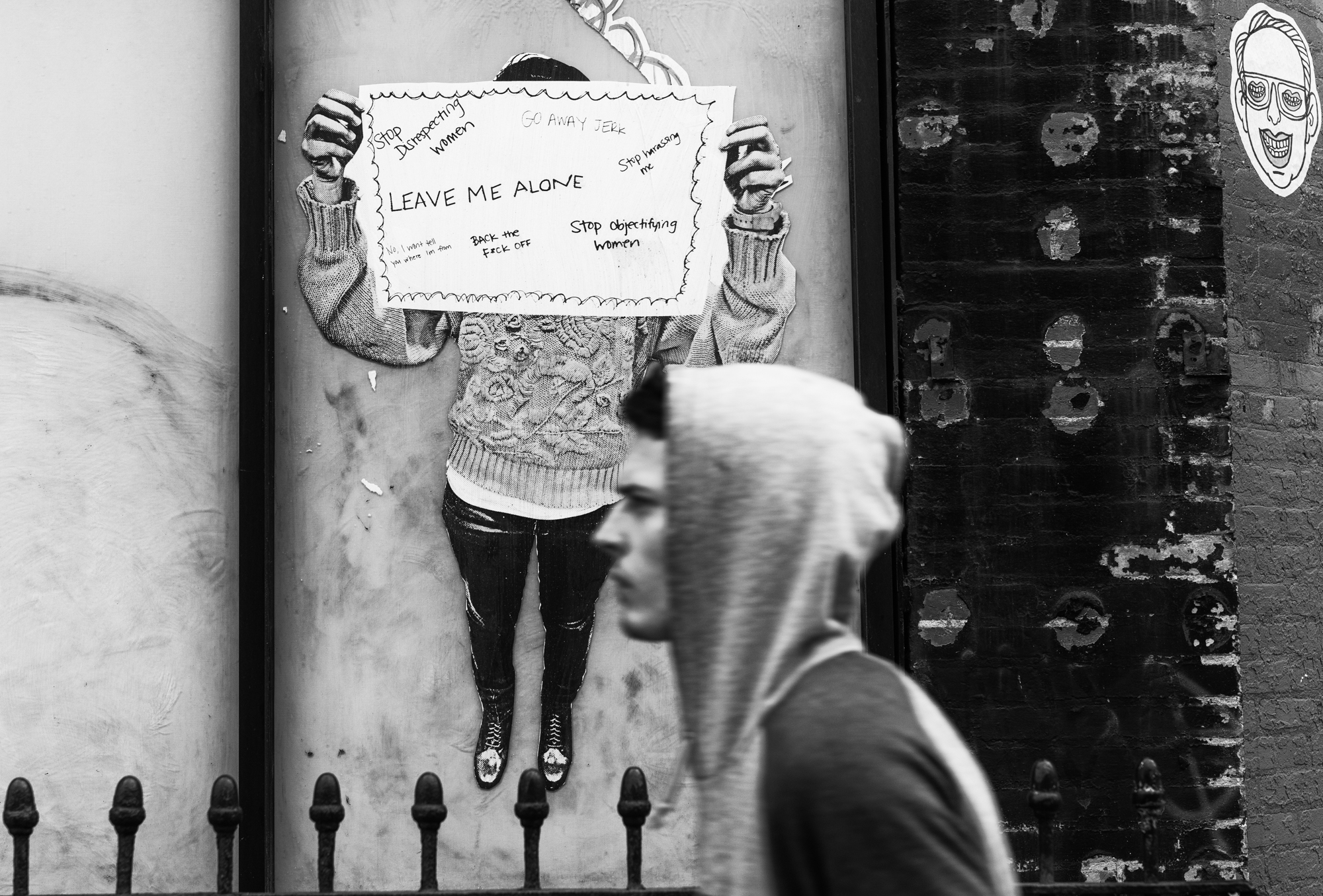
Wish us luck! We’ll report in later if either of them makes it.
We found a woman with Federal Obama Notes. The scandal could be huge. Leica M9, 35mm Summilux FLE, Inauguration Day.

Four years later, the crowds were only slightly smaller, it seemed to us. It was definitely warmer. People seemed just as happy, and as proud.
Leica M9, 35mm Summilux, except where noted.





90mm Summicron

 Tulip Frenzy