
Leica M, 90mm APO-Summicron-Asph
Some years ago, when contemplating going on a safari to Africa — maybe the better description is “praying to someday have the opportunity to go on a safari” — it seemed likely I would have buy or borrow a different system camera than my trusty Leica M rangefinders, because no one goes to take pictures of wild animals while limited to a focal length of 135mm. For prior to September 18th, 2012, that was the maximum focal length you effectively could use with an M9 or other Leica M cameras that preceded it. But on that date, Leica announced the M-240, which like Clark Kent changing in a phone booth, could be converted from a rangefinder into something approximating a DSLR. With an adaptor, and an Electronic Viewfinder, now — mirabile dictu — all of Leica’s glorious R lenses could be used on an M camera. For the first time, one could contemplate a safari using an M and long lenses. It seemed like a dream come true.
Last summer, I used the M and the Vario-Elmar-R 80-200 f/4 lens while taking photographs of animals out west, and it was a revelation to use the M as a multipurpose tool — by day a rangefinder, but in the evening light along the Gros Ventre River, when the moose come out to play, I could stand there with all the photographers with their long lenses and, yep, take perfectly adequate pictures. It was a delight. And as I knew then that this summer my family and I would be going on a long-planned safari to Botswana, it filled me with hope.

Leica M, Vario-Elmar-R 80-200
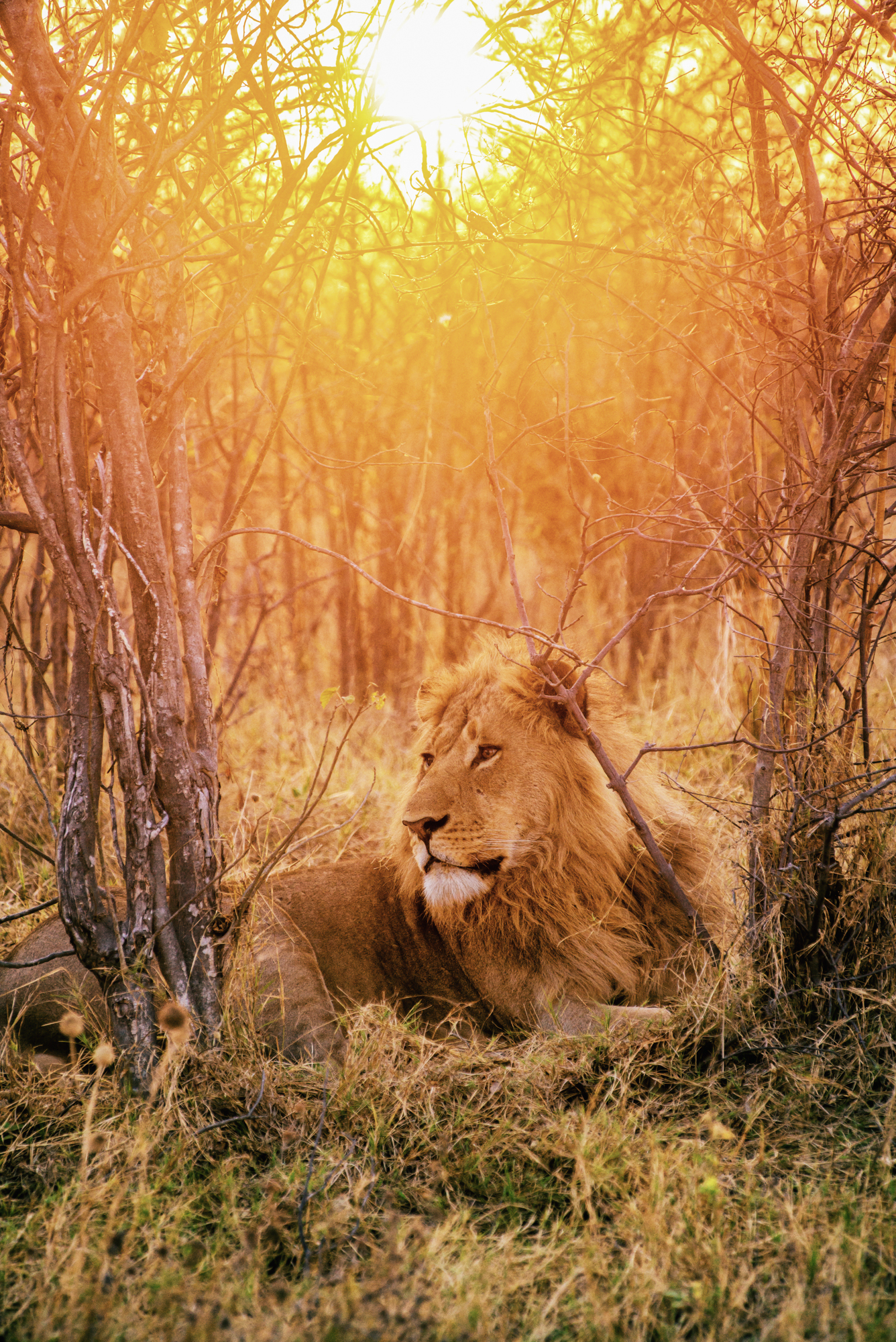
Having just returned from the trip, and having returned with a number of pictures I would never have been able to take previously with a rangefinder, I think it’s safe to say that using the M-240 with long lenses on a safari can be mostly successful. With the right lens, it can certainly take pictures at a distance. A world of possibilities are opened up. With that said, it’s not an entirely pleasing experience. Put differently, the M-240 in use as a DSLR is clearly a kludge. My analysis of benefits deems it a worthy effort by Leica to give its loyal M users an opportunity to shoot long distance. But there are some drawbacks. (To see a gallery of images taken with the M-240, go here.)

Leica M, Vario-Elmar-R 80 -200, with the APO-Extender-R 2X
When taking a picture of animals in a static, or semi-static position, you have the time to focus the M manually. Remember, even though the R-system lenses you can now use with an adaptor are superb telephotos, they are still manually focused. And to a rangefinder user, they are not easy to focus. I continually found myself pressing for Focus Assist, the device that with Focus Peaking enables one to see a magnified version of what he’s focusing on, along with indicators of whether the surface he is aiming at is in optimal focus. But Focus Peaking doesn’t work as well on animal hair/fur as it does on, say, a brick wall surface. And often it didn’t work at all. Which means that even when I got the opportunity to take a photo of an animal, it was not nearly as easy for me to get the shot as it was for my son, sitting beside me on the back row of the open-air Land Rover, whose Canon 6D could autofocus on the animal in a split second, while I was fumbling with Focus Assist.

Leica M, Vario-Elmar-R 80-200
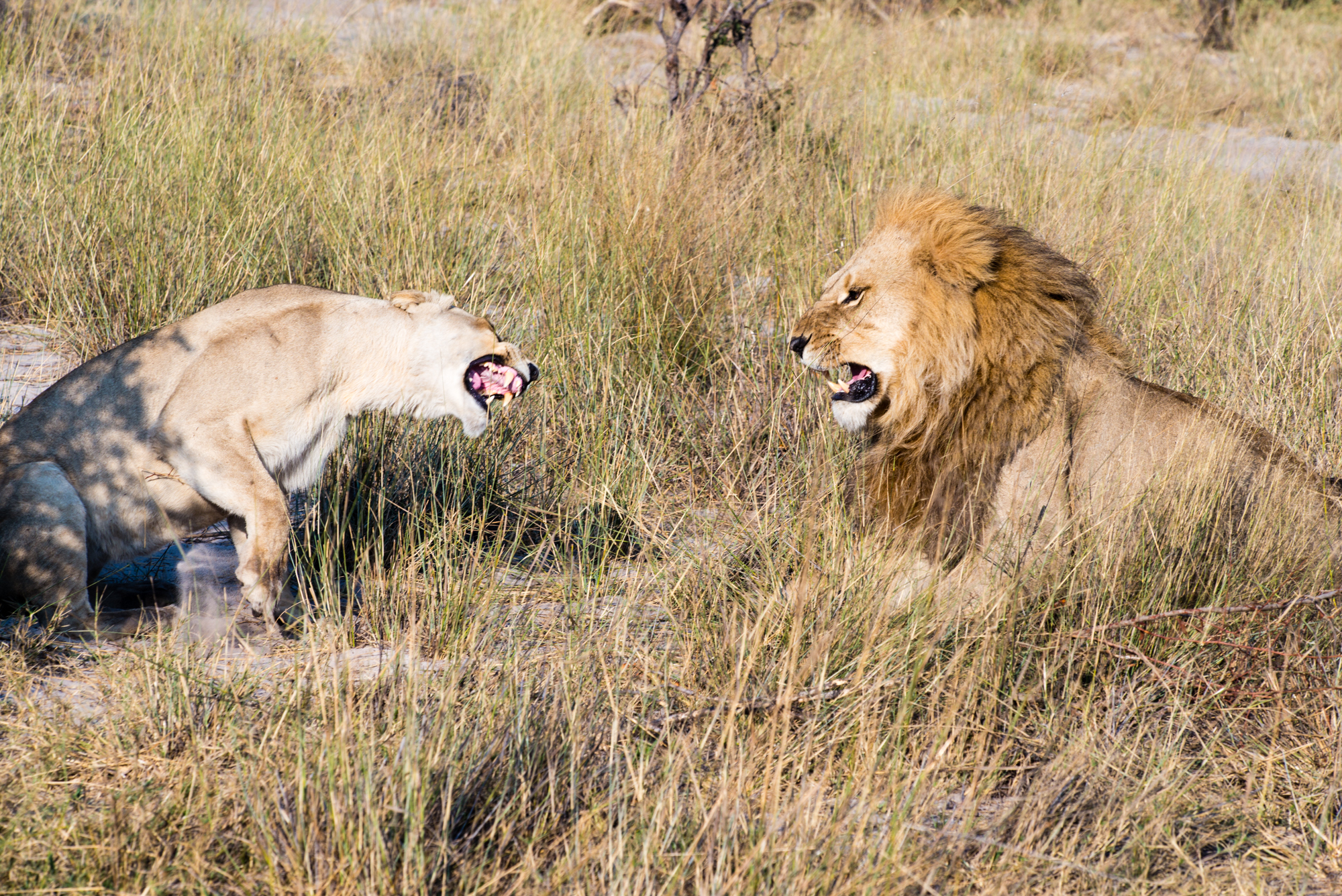
And then there is the matter of the EVF that Leica acquired from Olympus and rebadged with its brand. The EVF has a very slow refresh rate — some three seconds or longer between when you take the shot and when you can take the next one. As anyone who has ever tried taking a picture of a child — never mind two lions snarling at each other — can attest, a lot can happen in a few seconds.
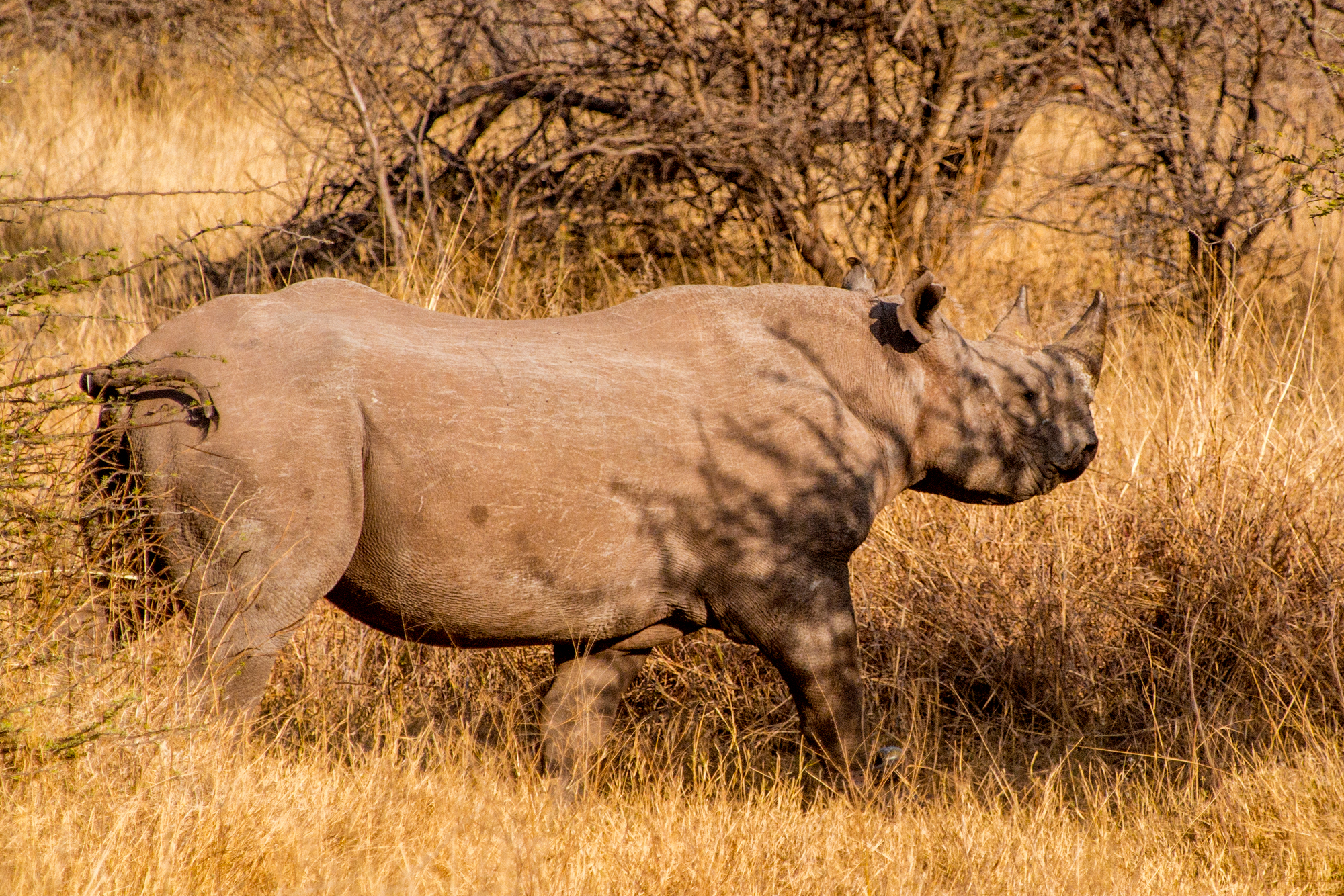
But this post is not meant to be a complaint. Objectively, using a manual focus DSLR with a slow refresh rate puts you at a disadvantage when it comes to getting the shot. On the other hand, you can use your Leica M on a safari, and you can also use any of the amazing Leica R lenses that were manufactured prior to 2009. And you can use the Leica APO-Extender-R 2X, which turns your 200mm lens into a 400mm lens, without carrying a bazooka-sized contraption or paying so much money for the lens you couldn’t take the trip in the first place. You might have the reach to take the picture of the black rhino below…

Leica M, Vario-Elmar-R 80 – 200, with the APO-Extender-R 2x
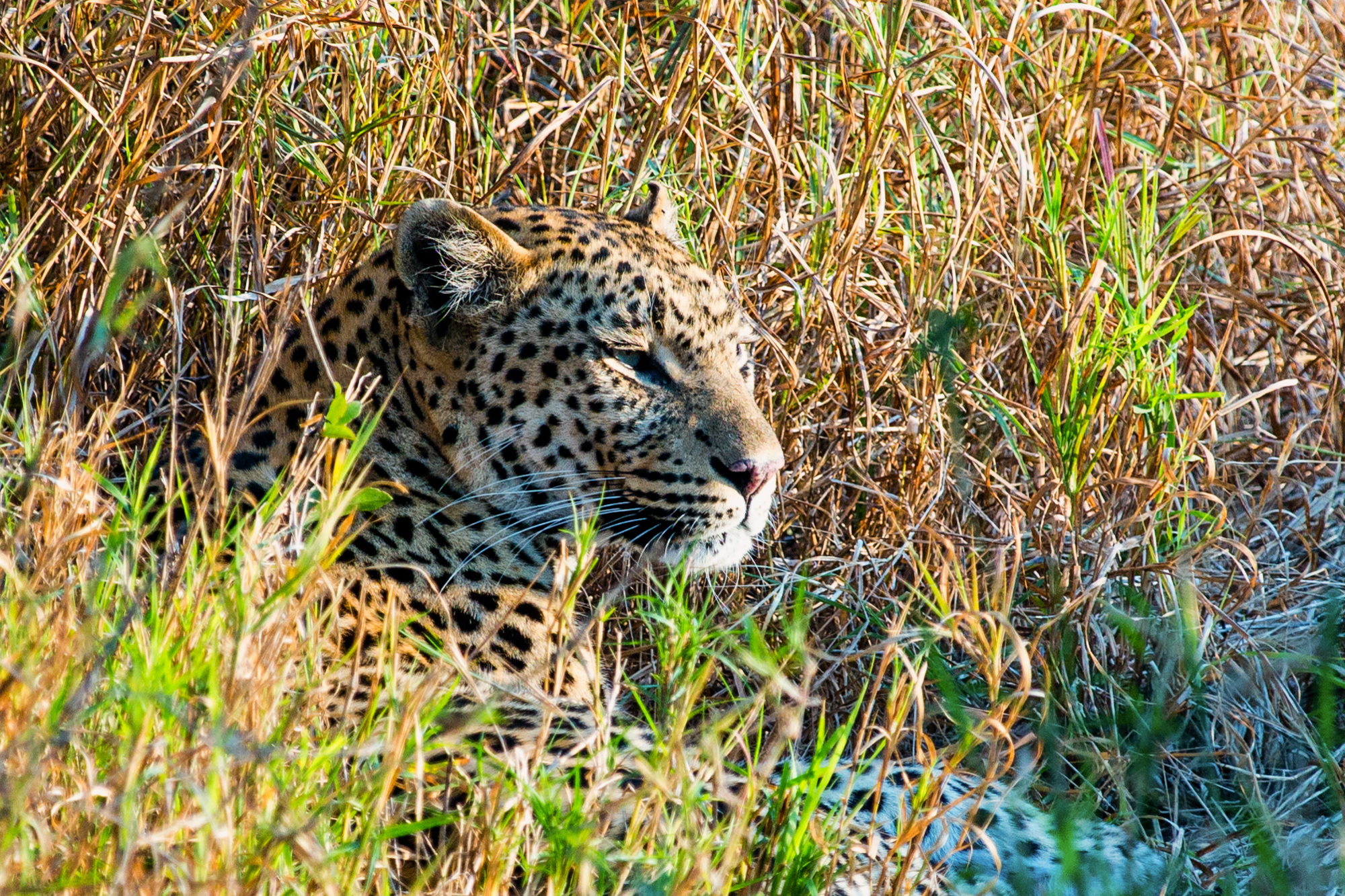
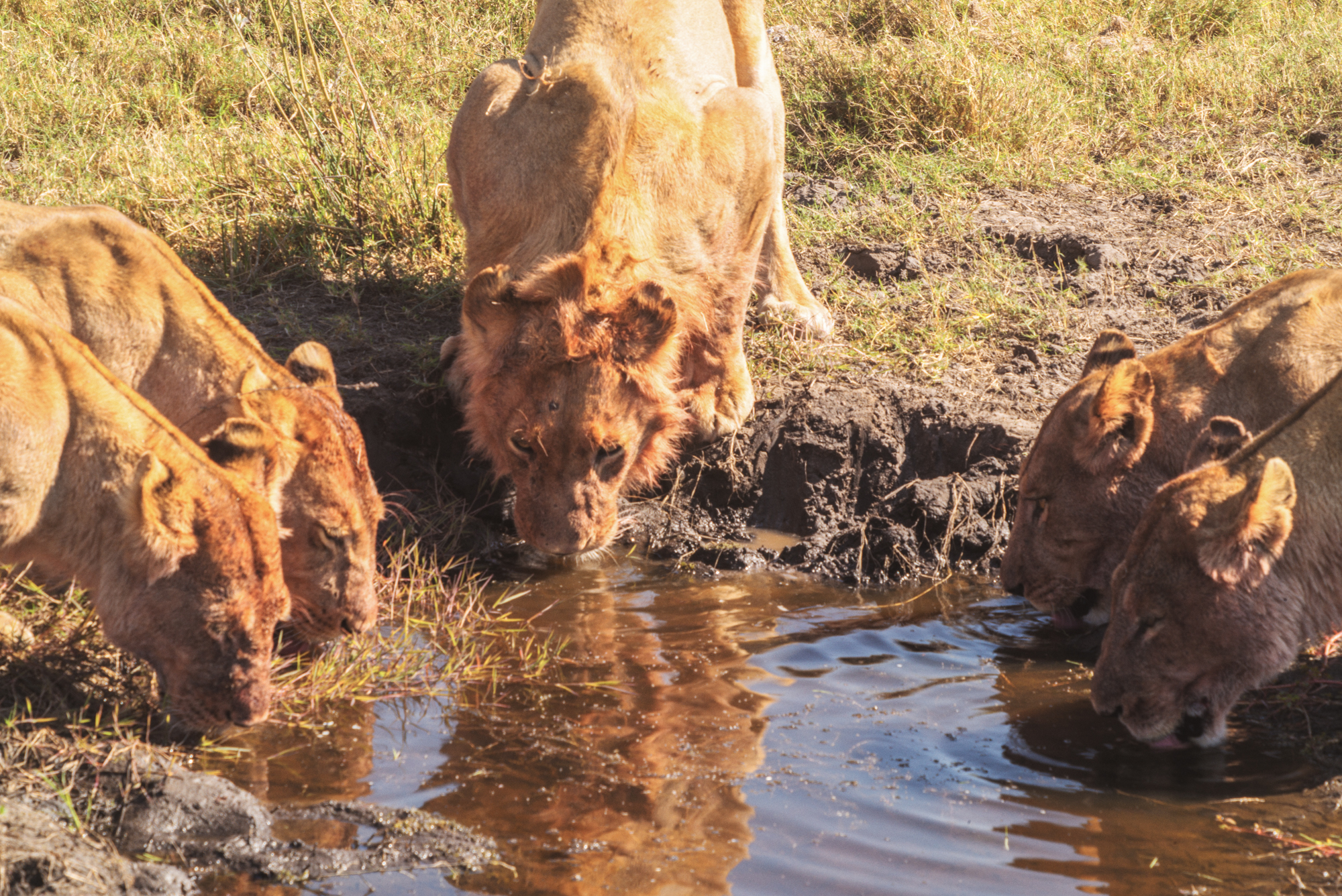
But it is hard to anticipate… and to focus… and to take multiple quick shots. Yet for a quality combination of lens and camera, shooting an animal that is not moving, I would confidently put the M-240 up against Canons or Nikon combos.

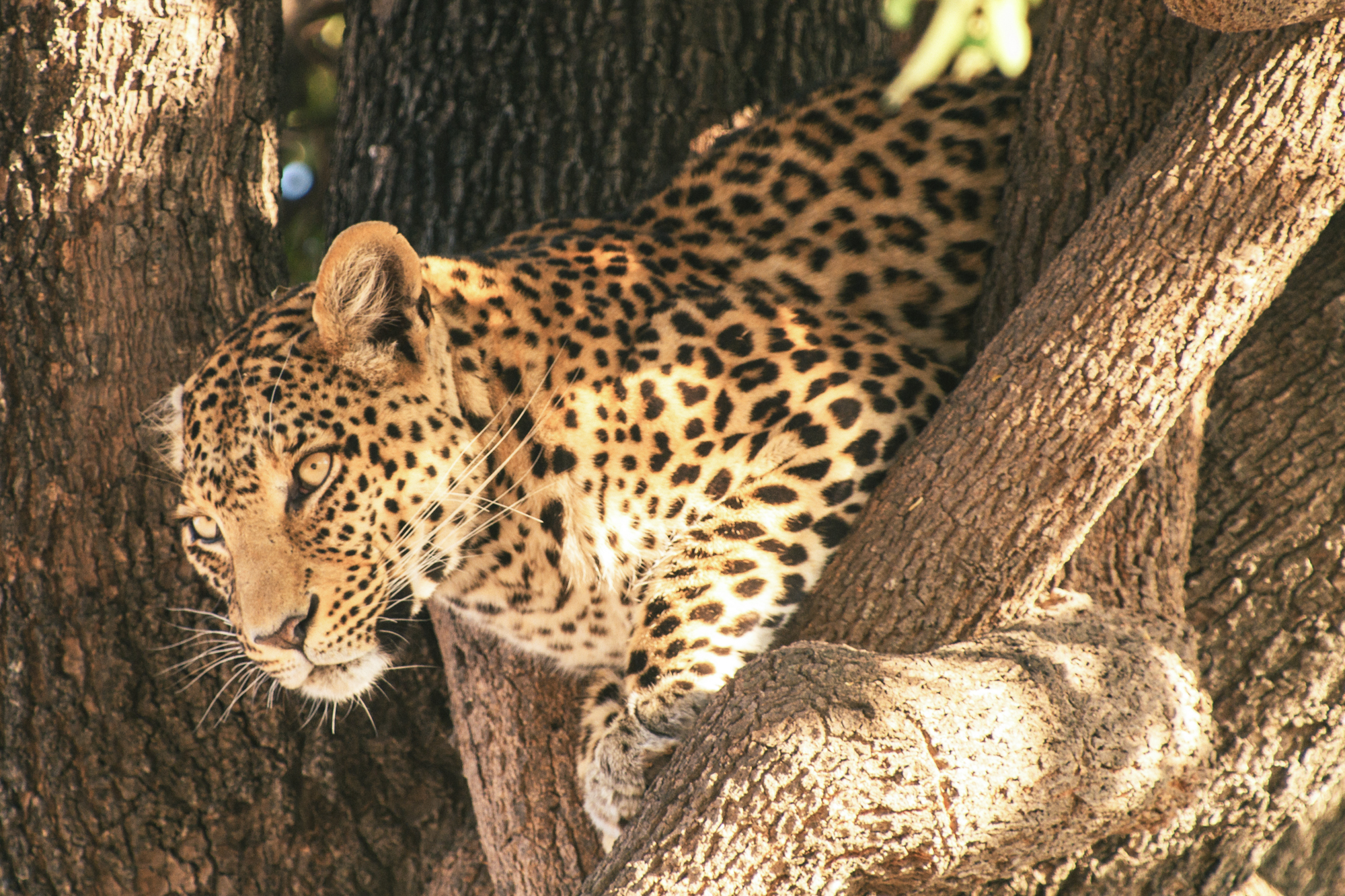
Leica M, Vario-Elmar-R 80 – 200, with the APO-Extender-R 2x
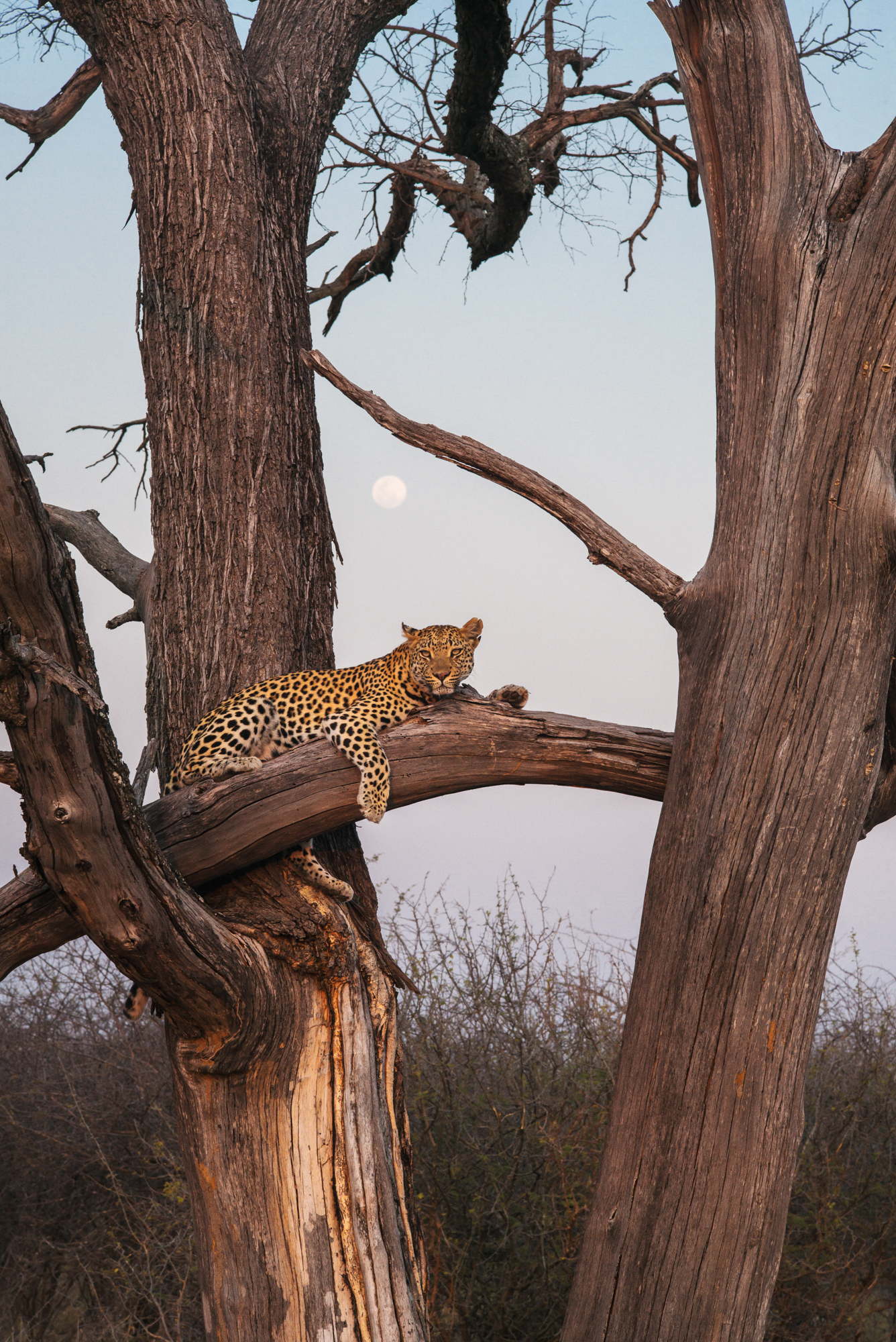
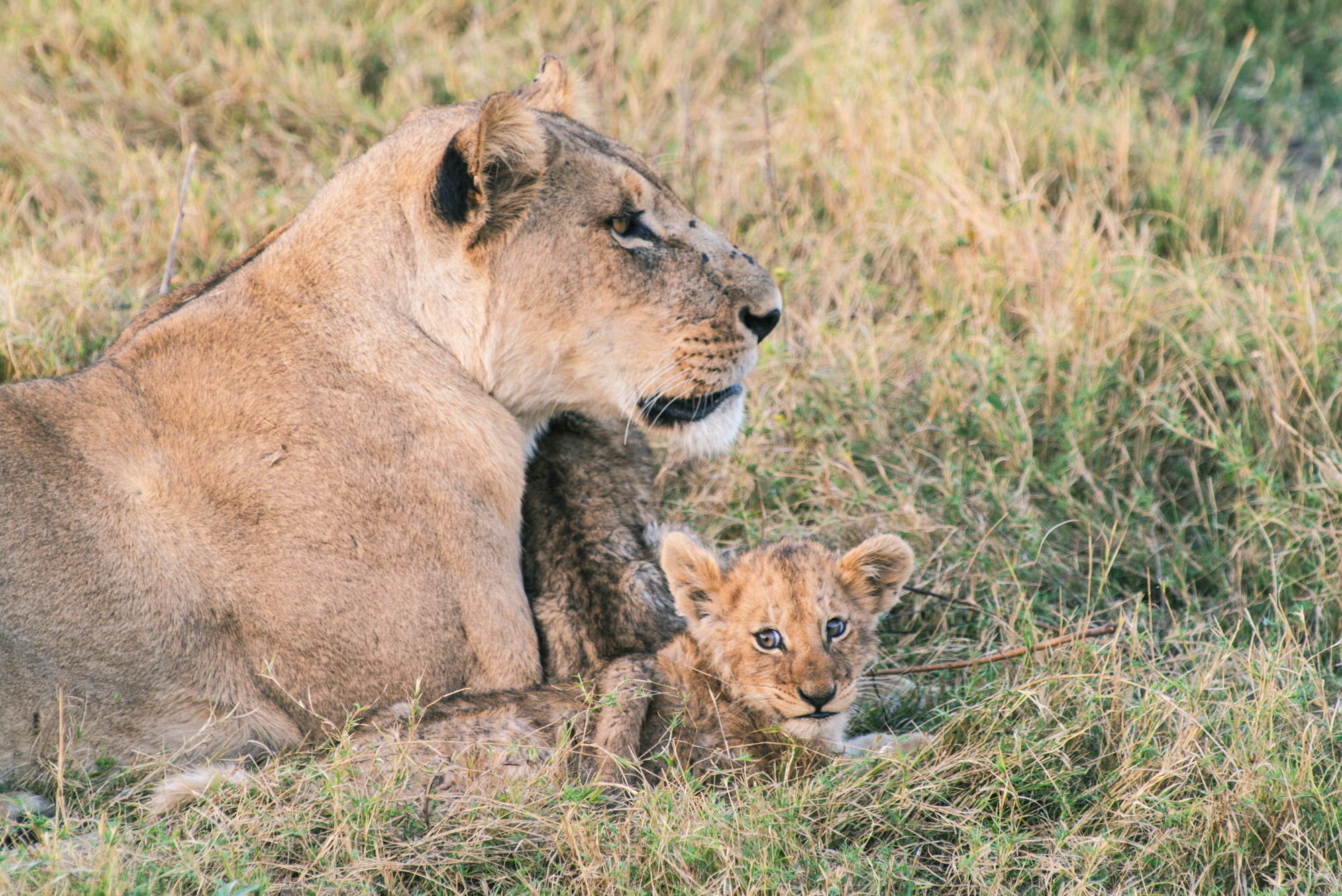
And then there are those magical moments when you are out there and something materializes before your eye, and with your Leica M — yes, with the Leica rangefinder you brought on safari, despite all the advice from others to take along a Canon or Nikon with autofocus… you know, the kind of camera made for this, not a gussied up street camera more appropriate for wide-angle shooting in a crowd than capturing an animal on the move… you suddenly find yourself in a position to take a shot you never dreamed you’d be able to get with a Leica M. It was a real privilege, and joy, to go on safari. And it was a mixed blessing, but on balance, it was a blessing, to be able to take along my familiar Leica M and be able to use it in such a setting.

Leica M, Vario-Elmar-R 80-200, with the APO-Extender-R 2X
























 Tulip Frenzy