Leica M, Noctilux wide open, ND filter, in LR for a quick wash, then Nik Viveza and Color Efex 4 for a rinse.
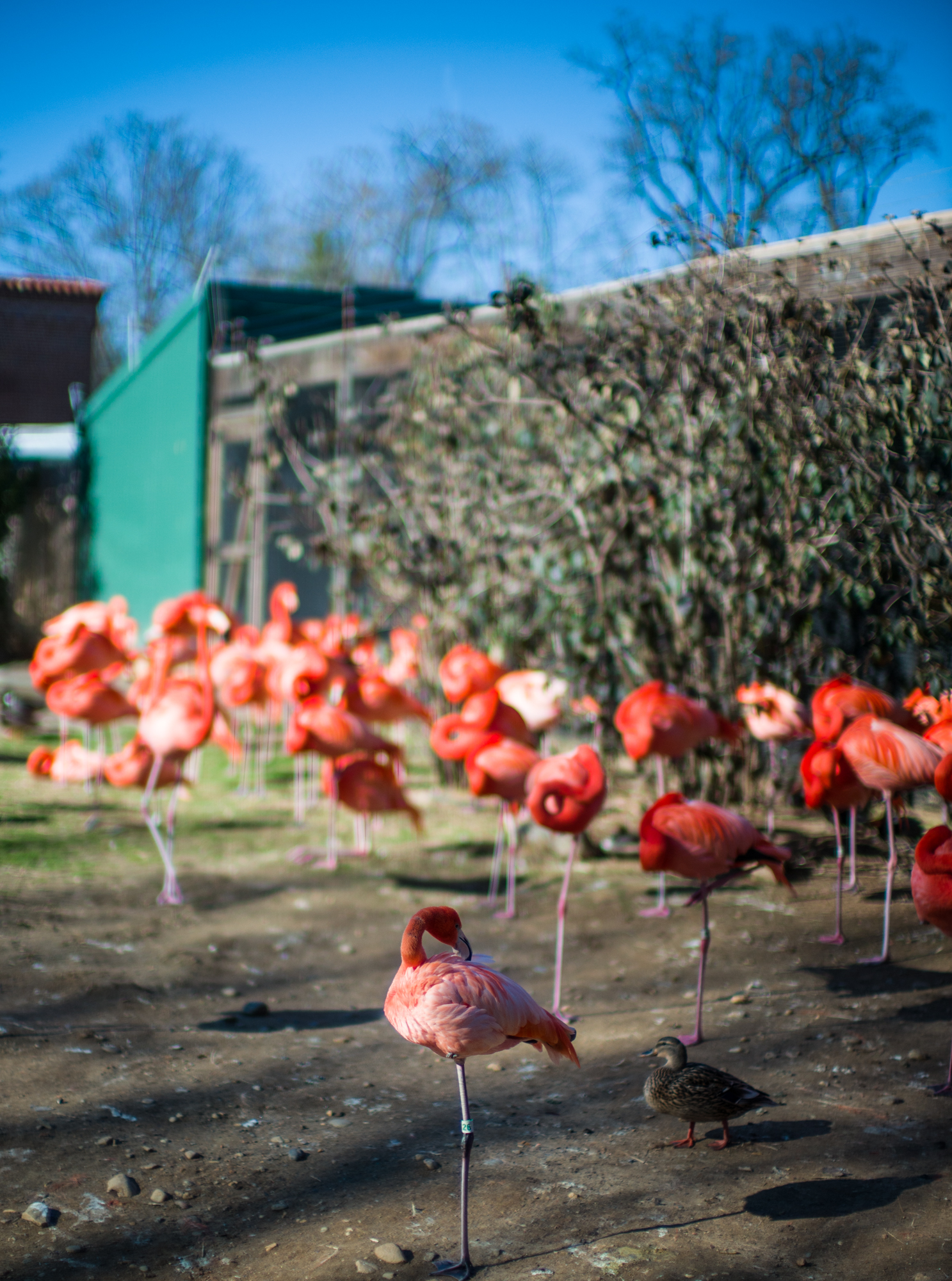
Leica M, Noctilux wide open, ND filter, in LR for a quick wash, then Nik Viveza and Color Efex 4 for a rinse.
Leica M-240, Noctilux, ND filter. As always, click for higher resolution and details.

Leica M, Noctiliux, ND filter. As always, click on image for higher resolution.

The hat reads, “Obey.” Not sure it all works out like that. Leica M, Noctilux, ND filter. This one best seen at bigger resolution, which takes a simple click on the photo.
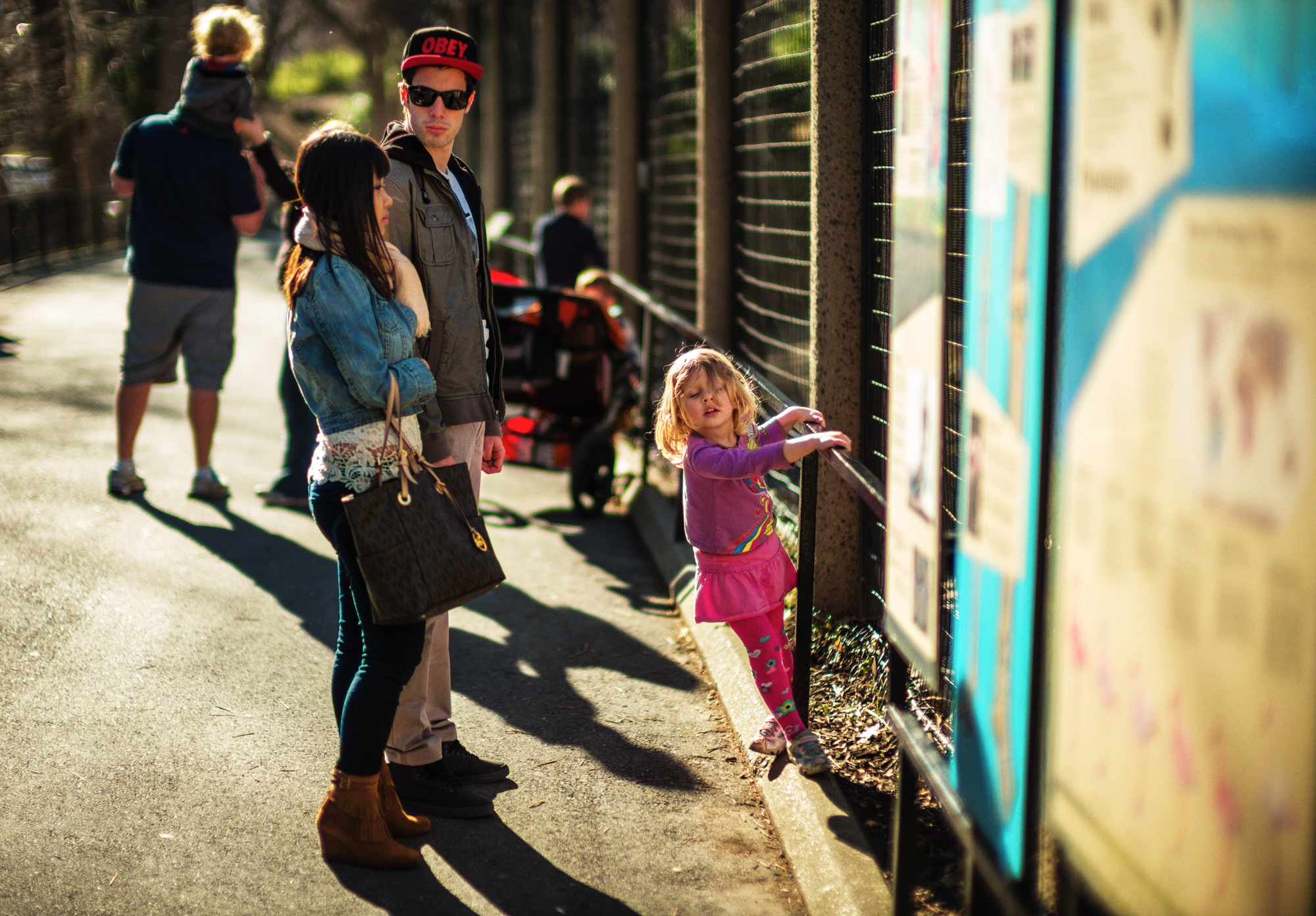
Leica M, 50mm Noctilux, ND filter. As always, click on the image to see higher resolution.
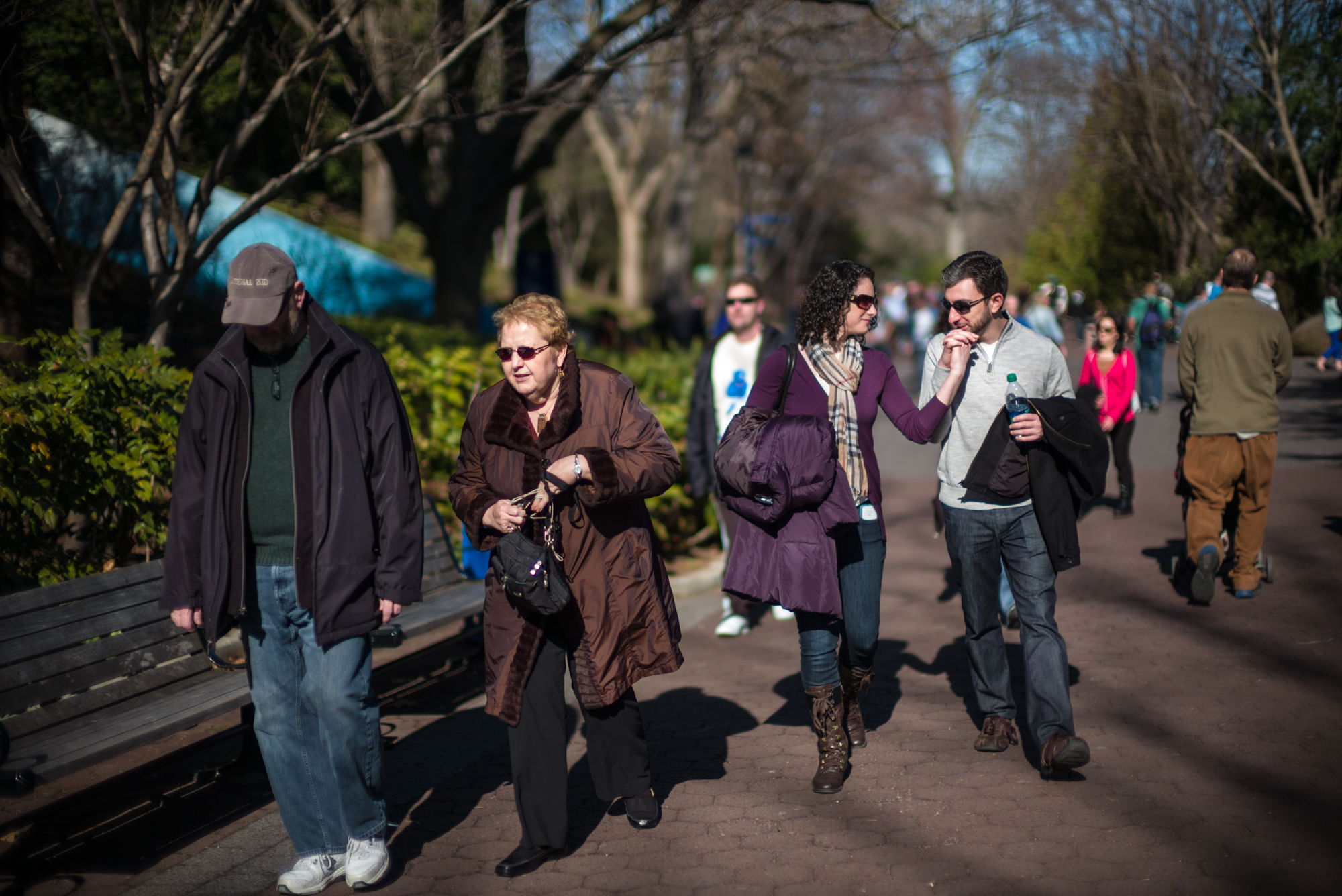
Sometimes you see the present and the future in the same image.
What a difference a week makes. Leica M, 50mm Noctilux with ND filter. As always, click on image to see at better resolution.

Some months ago, we commented on the phenomenon of discovering Dean Wareham’s reference to “the lost glove is happy” had an antecedent we’d forgotten about in Nabokov’s Pale Fire. And then we saw this… Leica M, 50mm APO-Summicron-Asph.

What follows is not scientific. One image (taken with the Leica Monochrom) comes from a cloudy day, and was shot at ISO 800. The other image (taken with the Leica M-240) was taken on a sunnier day, at ISO 640. Each was taken with the 50mm APO-Summicron-Asph at f/8, Monochrom at 1/125th, and the M at 1/500th. Both were processed in LR4, and then sent over to Nik Silver Efex Pro2, where we toyed with them in the High Structure preset. So, similar settings, similar post-production, not quite identical. My reason for this experiment was to determine whether or not the M-240 takes images that can compete with the Monochrom’s, when converted to black and white. Here are the two shots; look at them carefully, and after which I’ll weigh in. Admittedly, you are seeing these in a significantly down-rezzed file so they could be posted online. As always, click on the image to see them at a better resolution.
M-240:
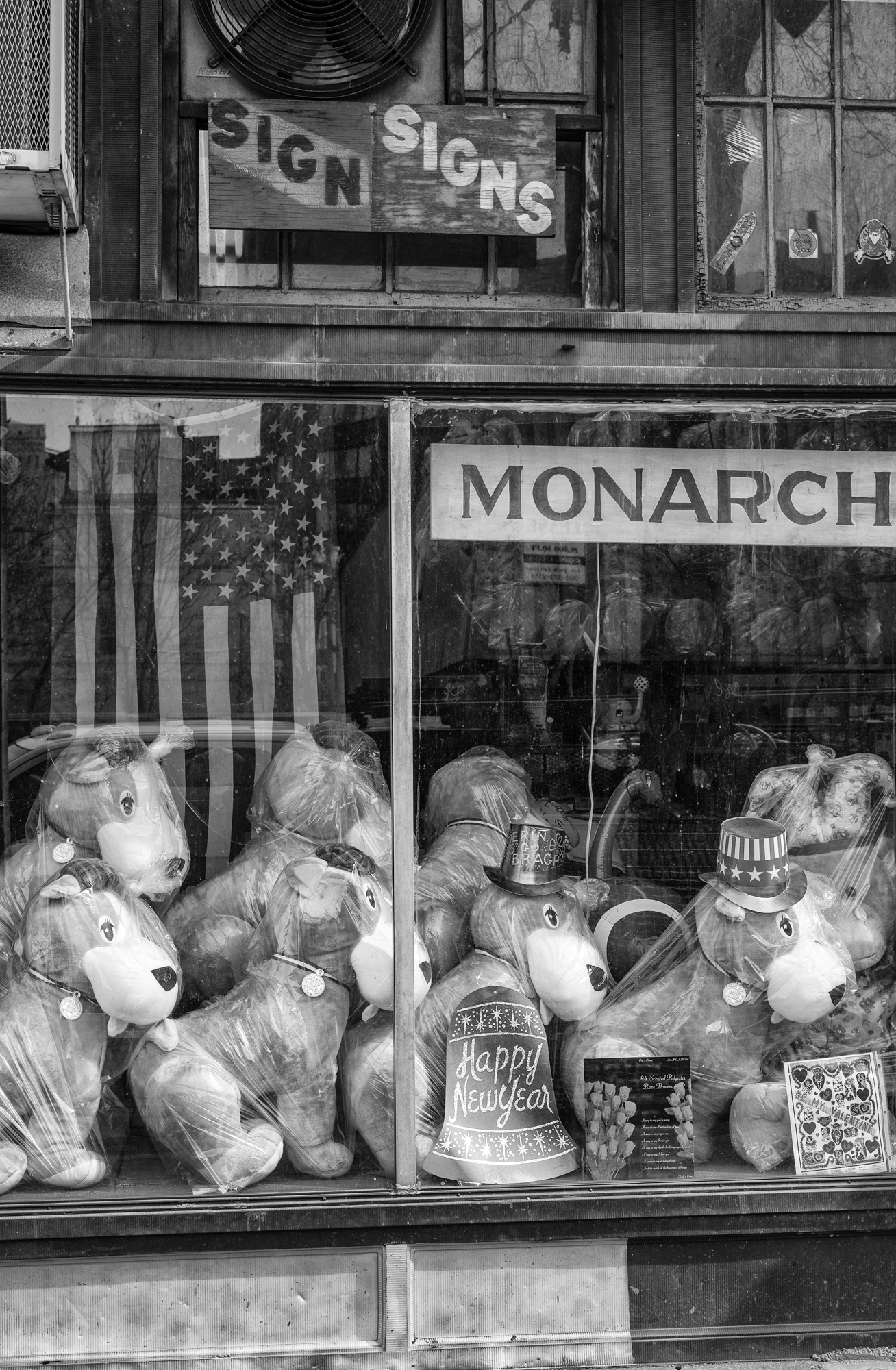
Monochrom:
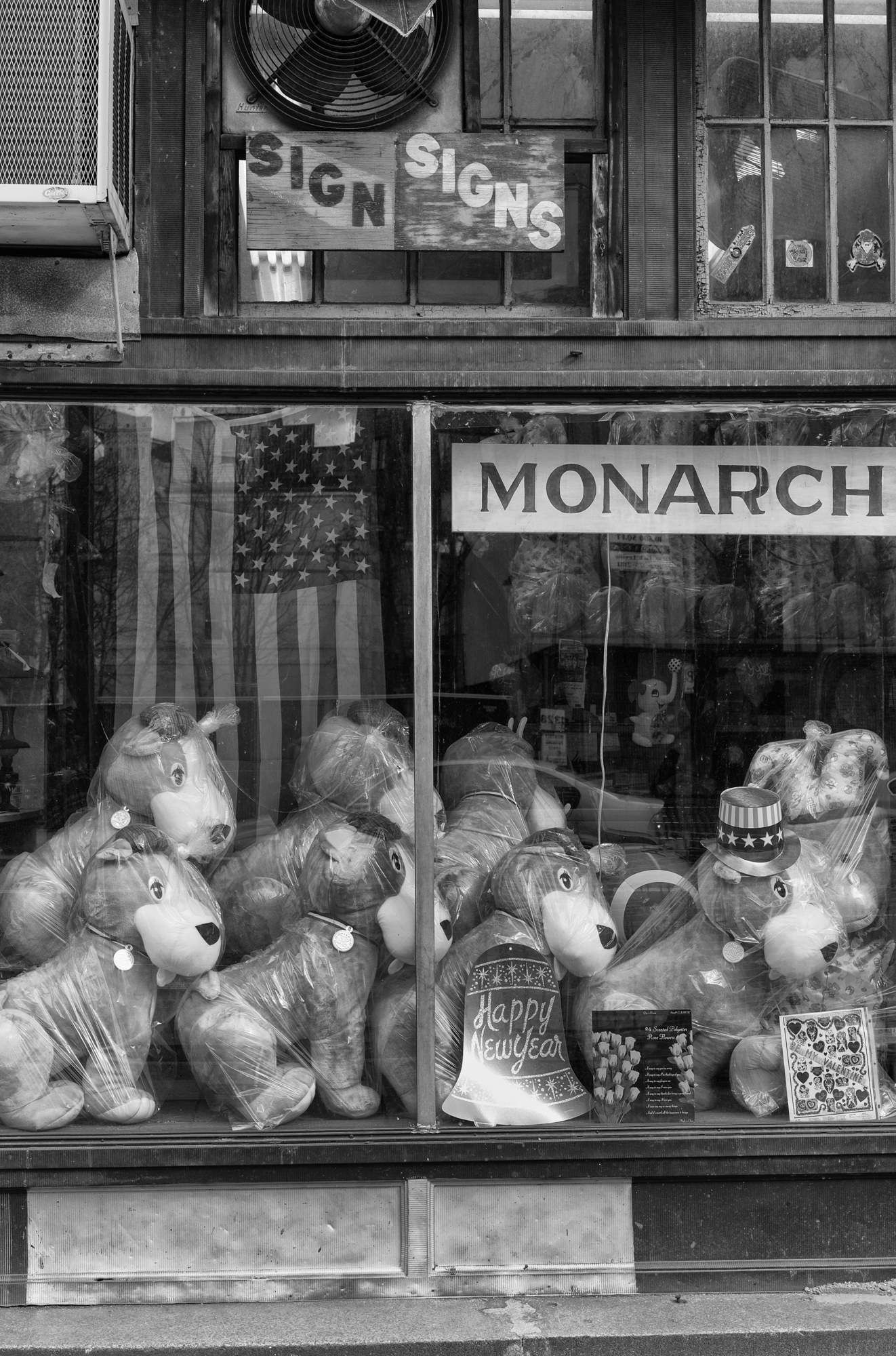
So, same lens, slightly different light conditions. One image in its native monochrome, the second image converted to black and white.
My conclusion? I think the M-240 black and white rendering is quite good, and I would not hesitate, after taking a picture, converting the image to black and white. But I also think the Monochrom image is just that much better — a little more detail in the grays, a little richer. So, which is better? I think the Monochrom. Is the M-240 black and white rendering good enough to use and be happy with? I think so.
What do you think?
We were wandering around, taking pictures with the new M-240, when the construction worker stopped us. “Is that a Leica? Is that digital? Show me! I’ve always wanted to shoot a Leica.” Not your ordinary construction worker. Not your ordinary camera. Leica M, 50mm APO-Summicron-Asph. As always, click on the image to get a better sense of the resolution.


All photos Leica M, with 50mm APO-Summicron-Asph. As always, click on the images for a better sense of the resolution.
Yesterday, we posted a brief set of thoughts on the Leica M (Typ 240), as well as some images. Among the questions raised by folks on the Leica User Forum was whether or not the files, processed in Lightroom, but without the embedded color profile that will be released outside of beta with the next upgrade, had reds that are too hot, as they were initially with the Leica M9. The answer is possibly yes, though yesterday’s photos, admittedly, had subject matter that was inordinately red: storefront windows and the like. Today, we went out looking to capture a more balanced range of colors, and think we did so.

Files from the M, like files from the Leica Monochrom, are extremely malleable, in Lightroom or various Nik software products (in color, I am partial to Viveza.) But they do start life quite vivid. We will not be able to settle the question of whether M files prove, or disprove, one thing or another in the great CMOS vs. CCD sensor battle. We do know that, these files feel to us, in post-processing, to have quite a bit more latitude to play with than can be found in the M9’s files. It’s not simply that you have, in a 24-megapixel camera, more to play with after cropping. (The above image is not cropped.) It is that, like Monochrom files, with their high dynamic range, there is a processing elasticity that will enable photographers far better than us, and post-processers with greater skills, to craft images we couldn’t have imagined getting just a few years ago, when the 12 megapixel Leica M8 was released.

Yes, the files come out vivid; the picture above was slightly desaturated, because the bananas seemed a little too bright when they emerged after an initial WB and highlight adjustment in Lightroom. It’s possible we got the White Balance off, and yes, the picture is a little overexposed in the area of focus. But we don’t actually mind this — files coming out this way — and think it will be corrected when LR is updated. Whether or not the profile is what we want it to be, each photographer will have his own way of adjusting the images to his or her own preferences.

As for the M in use, it is, to us, a dream street camera, as its predecessors have all been. It is quick, intuitive, quiet, feels good in the hand. And, it must be said, the deficiencies in prior Leicas when it comes to the LCD have been corrected, at least to our satisfaction. The 3-inch LCD is large and bright and vivid. Yes, Leica is simply catching up to the market. But thank Heavens they are, at last, in this regard.

Back to the files: there is a significant amount of shadow detail to be harvested at low ISOs (this was at 320, and the boat was, out of the camera, pretty dark.) We can only imagine that once we start playing around with higher ISOs, we will find there is also much to work with.

With a lens like the 50 APO-Summicron-Asph, there is that great Leica look. We read one person’s comment on yesterday’s photos posted that the images, captured on the CMOS sensor, looked more like a Nikon or Canon than the traditional Leica look. That really isn’t the way we see it.

We believe the M has the signature Leica three-dimensional pop,and ability to isolate the subject while shooting wide open. There was variable light today, and while we brought a Neutral Density filter, we didn’t use it. The image above was shot at ISO 200 (the base ISO), at f/2. We had virtually no real blown highlights, in part because we set the EV at -1/3.

Even at f/5.6 and ISO 200, there is a good deal of subject isolation. In brighter, more even light, we would have felt comfortable shooting the above at a wider aperture, using an ND filter. Again, this is a classic rangefinder in how you see and what you can do.
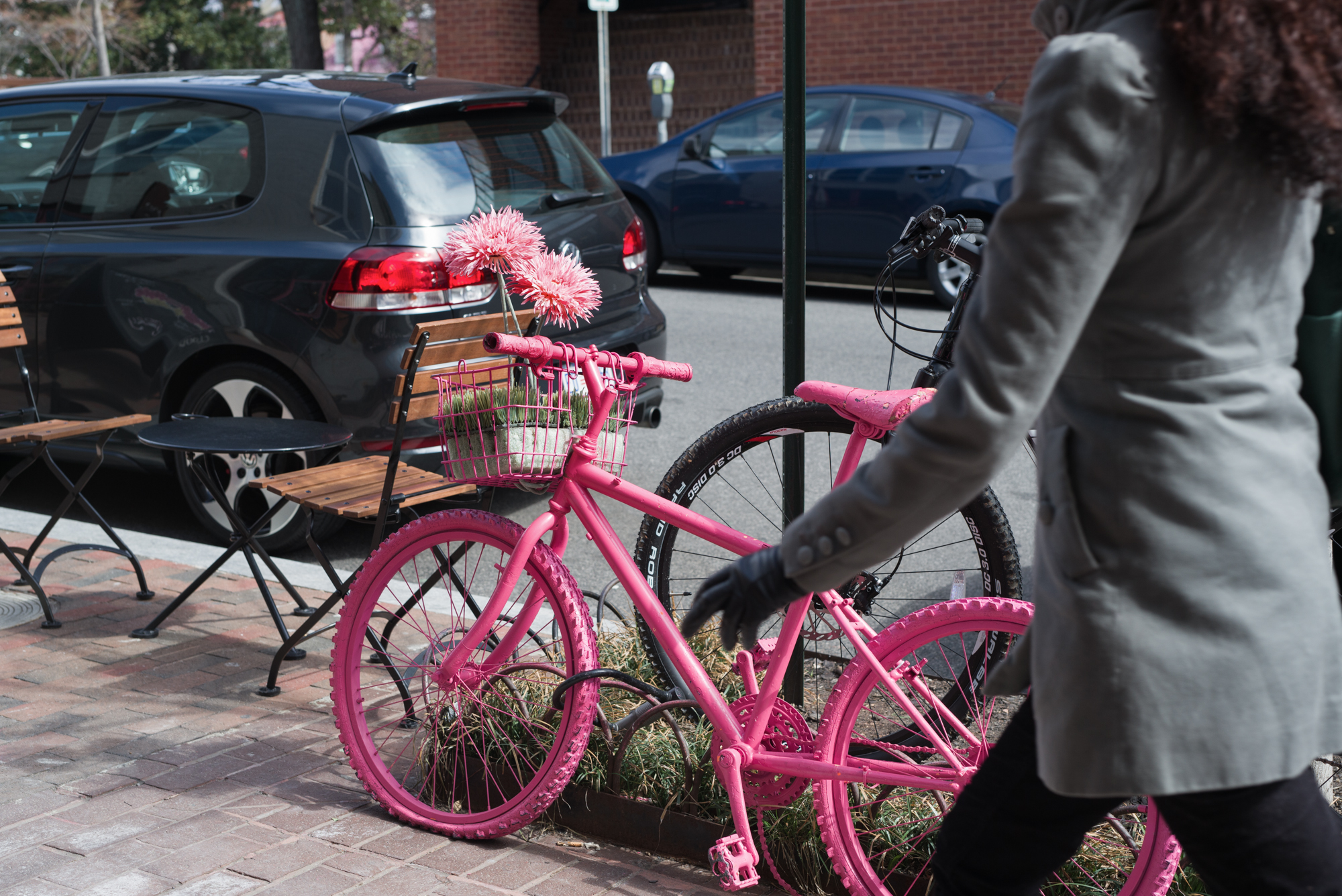
It is a camera, like previous Ms, that you can feel comfortable walking around the city with, because it is small and unobtrusive. Whatever advantages top-of-the-line Canons and Nikons have over the M, they are massive in comparison. We look forward to seeing the quite small Sony RX1, but even with that Zeiss lens, we doubt one can walk down the street, realize you are missing an image, and then whirl to get it, the way one can with a rangefinder.
In two quick outings with the M, in both cases using it as a classic rangefinder, we are prepared to say it meets all our expectations and more. We are beginning to master using it with the EVF, and as soon as the adaptor arrives, look forward to using it with long lenses. For now, though, we’re satisfied using the M as what it absolutely can be: a camera in the tradition of the Leica M3, updated for possibilities of modern life.

UPDATE: We have also done a review of the M after one month’s use. Go to “Observations On A Month Spent With the Leica M-240.
 Tulip Frenzy