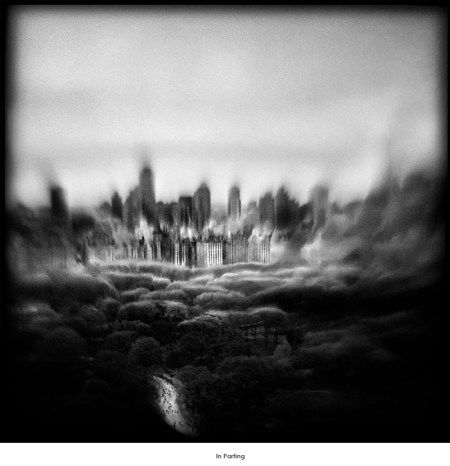
Last week, we were enjoying the winter issue of Black + White Photography when we came across the work of Susan Burnstine. Burnstine has just published her second book of images, Absence of Being, and the magazine feature introduced us to the work of an artist of such power, we literally sat up so we could look more closely at her images.
In an essay introducing the book, Burnstine tells the story of how her mother, helping Susan cope with childhood nightmares, encouraged her to turn to art, which in turn led to photography. Seeing her work, it seems her dreams and her work are interchangeable. She is an artist with a searing vision who just happens to use cameras to capture what she wants to show the world.
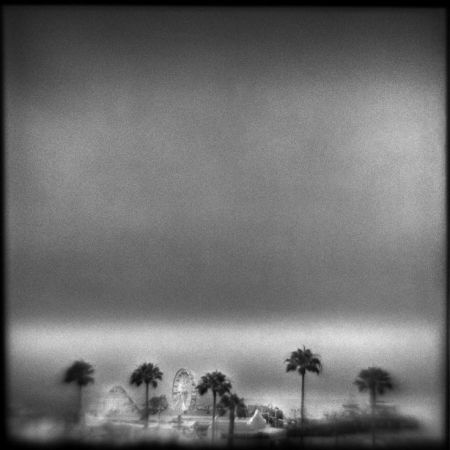
How can someone capture work that looks like this? She has had to invent her own cameras, using an inventor’s magpie genius, combining real camera equipment with toy camera lenses and the like. The results are original, stunning, the kind of work that makes one fall in love with photography all over again.
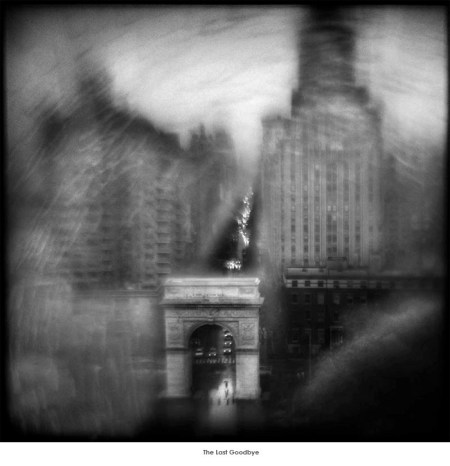
In an essay that follows the images laid out in Absence of Being, the curator Del Zogg invokes two of the originators of photography, Daguerre and William Fox Talbot, describing the lineage of techniques they handed down in order for the world to be faithfully captured on silver halide, and now CMOS sensors. “Susan Burnstine,” he writes, “has gone beyond the efforts of Daguerre or Talbot in her reinvention of photography.”
And so she has. Some years ago, so long ago we can’t remember who wrote it, we read that William Burroughs was the first person to do something fundamentally different with words since William Shakespeare. It is clear to us that Susan Burnside is to photography as Burroughs was to words.
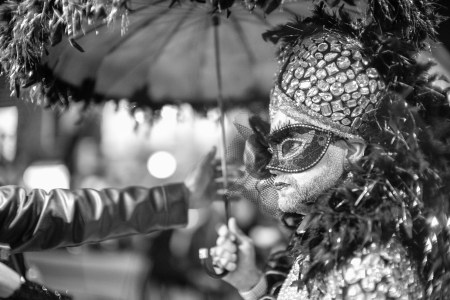
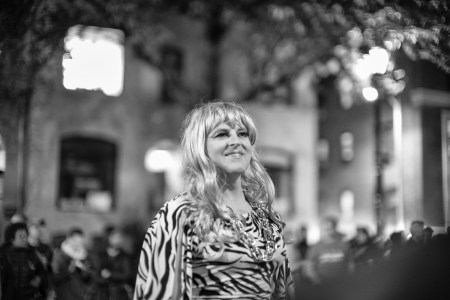
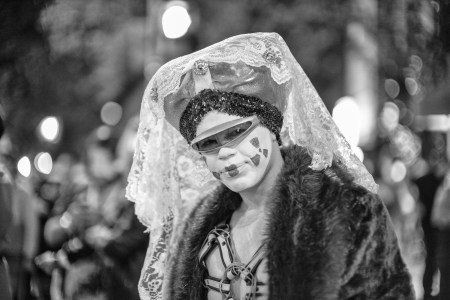
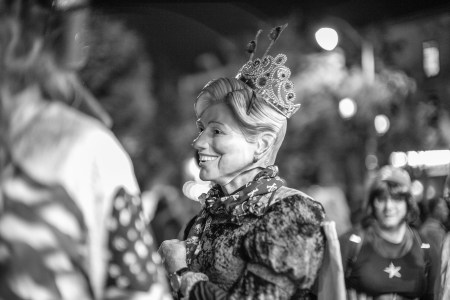
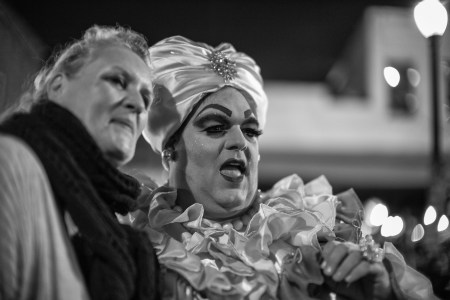
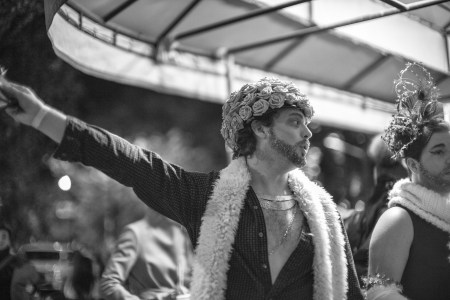
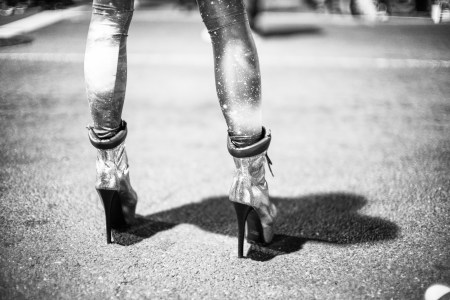 We first took our Leica Monochrom and Noctilux down to 17th Street to photograph D.C.’s epic High Heel Race, a drag queen extravaganza taking place each year the week of Halloween, in 2014. At that time, we published a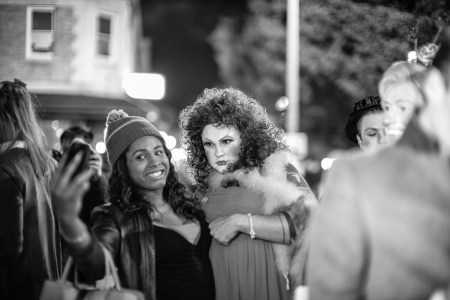








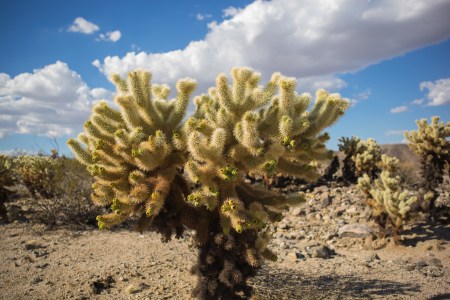
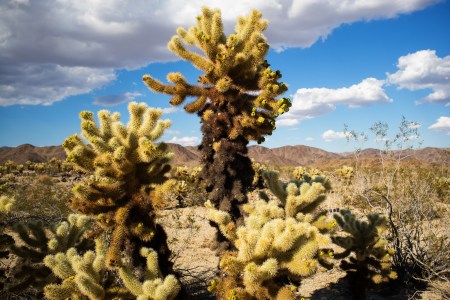
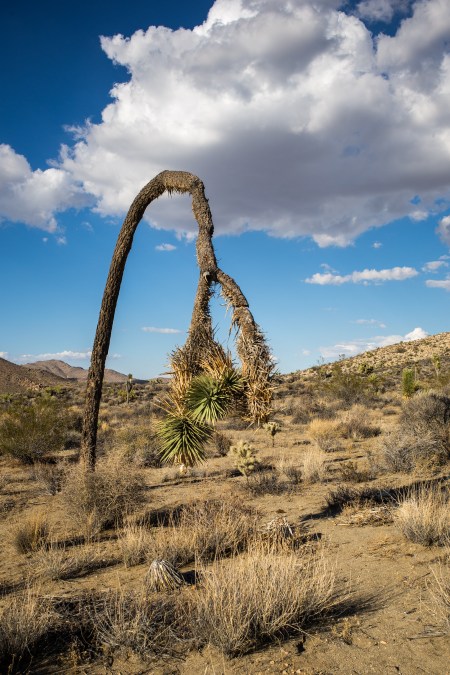
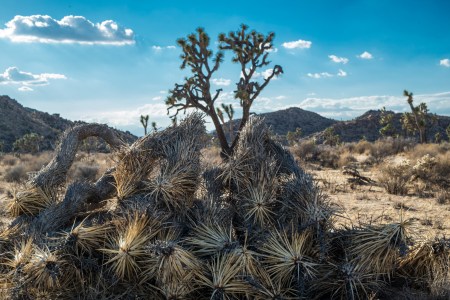
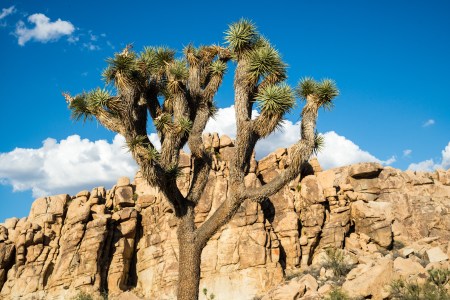
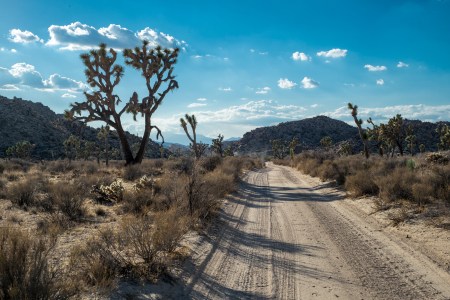 I don’t want to say that everything I knew about Joshua Tree National Park came from U2’s great 1987 album, or perhaps more specifically, from Anton Corbijn’s photo shoot with the band. Yet I’d never seen an actual Joshua Tree, couldn’t tell a cholla cactus from a prickly pear, and had only once driven to the Palm Springs area. But our son has recently gone off to college not too far away, and was drawn like a magnet to this incredible small unit of the National Park Service. Easy to see why, once we got there.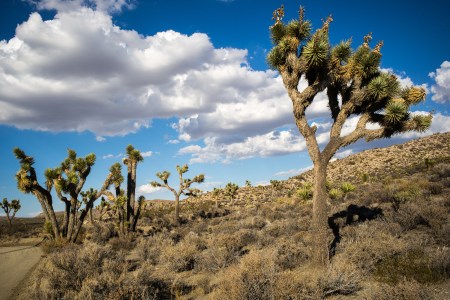

 Tulip Frenzy